Home
Artistas
Claudia - Claudia Bia - Claudia Beatriz Laragnoit Villela
Claudia - Claudia Bia - Claudia Beatriz Laragnoit Villela
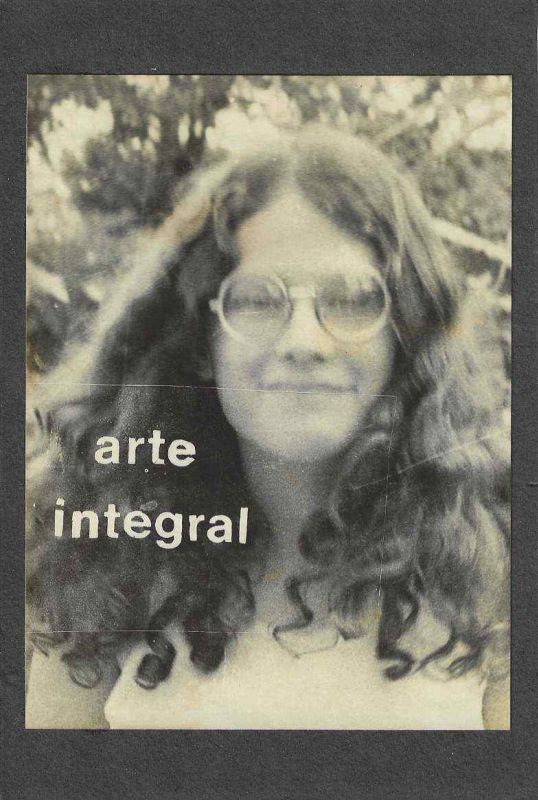
Local de nascimento: Santos
Data de nascimento: 1960
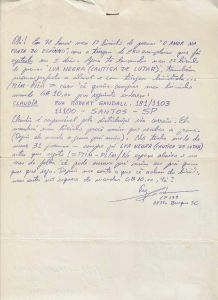
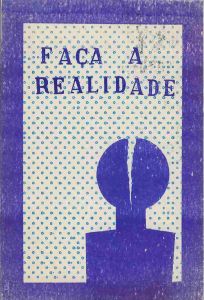
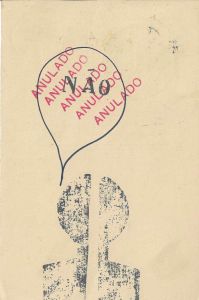
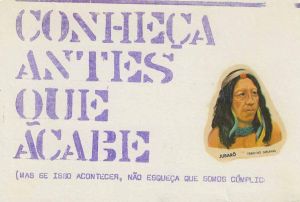
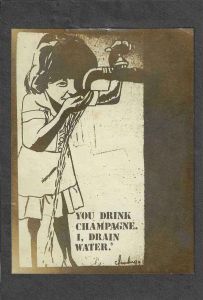
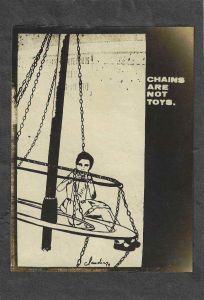
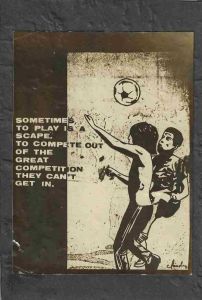
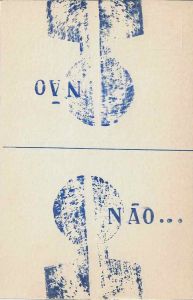
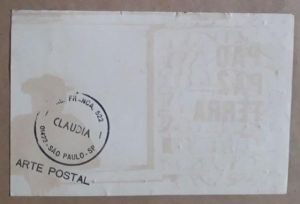
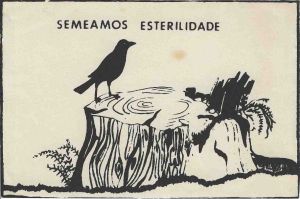
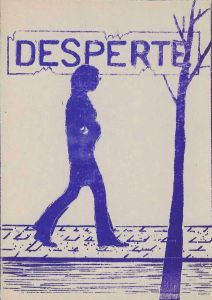
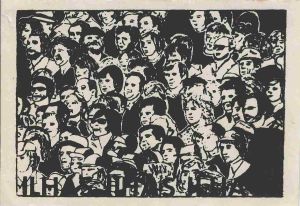
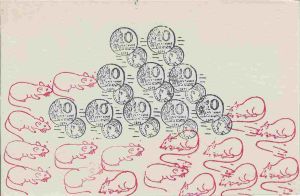
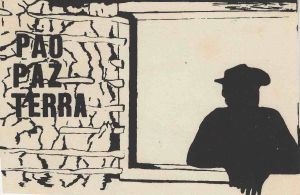
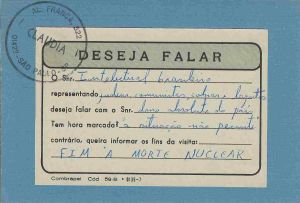
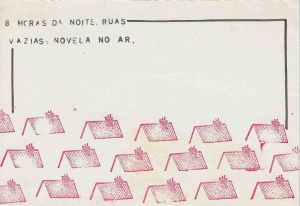
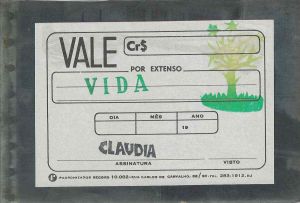
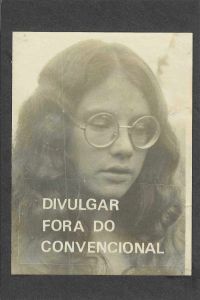
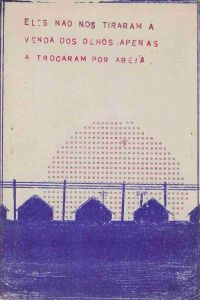
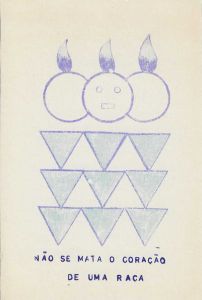
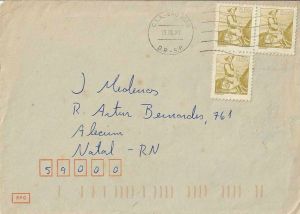
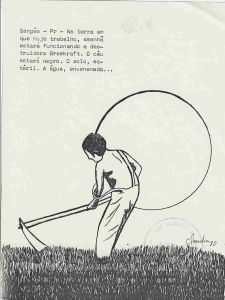
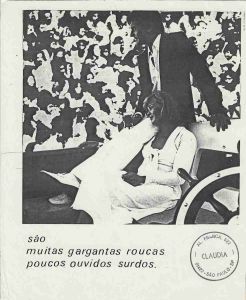
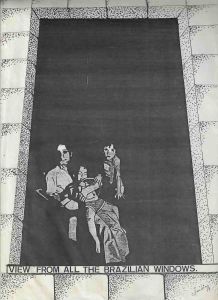
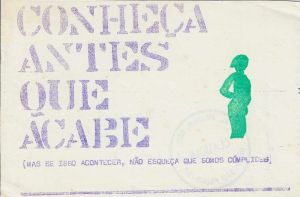
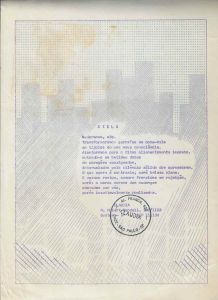
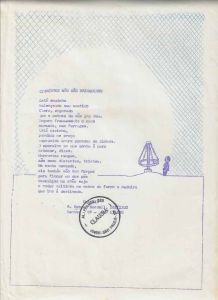
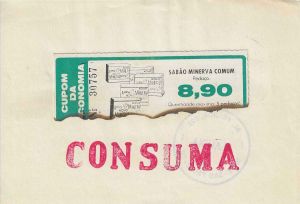
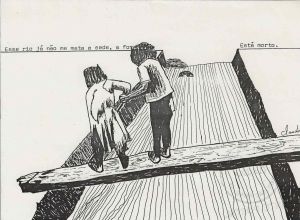
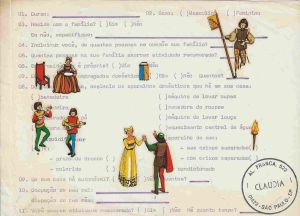
Claudia é uma artista brasileira vinculada aos campos da arte postal, poesia visual, arte conceitual e comunicação experimental, atuante principalmente entre as décadas de 1970 e 1980. Sua produção integra o amplo universo das vanguardas independentes latino americanas que utilizaram o correio como meio de circulação artística e política, estabelecendo redes de intercâmbio paralelas às instituições oficiais de arte.Embora sua trajetória biográfica permaneça parcialmente documentada, sua obra preservada em acervos especializados demonstra uma participação consistente no ambiente da Arte Correio brasileira e nas experiências que dialogaram com o movimento Poema Processo. Os carimbos presentes em suas obras registram diferentes endereços de atuação em São Paulo e Santos, indicando intensa circulação de trabalhos por meio das redes internacionais de mail art.A produção de Claudia caracteriza-se pela utilização de impressos, cartões postais, colagens, carimbos, apropriações gráficas, documentos administrativos reutilizados, formulários, cupons comerciais, reproduções fotográficas e imagens de forte conteúdo social. Sua linguagem combina desenho, fotografia, texto, tipografia e intervenção gráfica em composições de leitura imediata e impacto crítico.Os temas recorrentes de sua obra incluem degradação ambiental, destruição ecológica, poluição industrial, devastação florestal, escassez de água, desigualdade social, exploração econômica, consumismo, alienação coletiva, violência simbólica, paz, direitos humanos, fome, sobrevivência e crítica aos meios de comunicação de massa.Entre os trabalhos conhecidos destacam-se séries e cartões que abordam diretamente a crise ambiental brasileira, como Semeamos Esterilidade, Esse Rio Já Não Me Mata a Sede, a Fome. Está Morto, Sengés PR Na Terra em que Hoje Trabalho Amanhã Estará Funcionando a Destruidora Braskraft, Não Tem Água Drink Coke, Os Homens Apodrecem e Morrem e Vale Vida. Nessas obras a artista transforma imagens simples em instrumentos de denúncia ecológica e reflexão social.Outro núcleo importante de sua produção investiga os mecanismos de manipulação ideológica e comunicação de massa. Obras como 8 Horas da Noite Ruas Vazias Novela no Ar, Desperte, São Muitas Gargantas Roucas Poucos Ouvidos Surdos e Eles Não Nos Tiraram a Venda dos Olhos Apenas a Trocaram por Areia evidenciam uma crítica à passividade social, à desinformação e ao condicionamento cultural promovido pelos sistemas de comunicação.A crítica econômica também ocupa posição central em sua produção. Trabalhos como Consuma, Vale Vida e Moedas e Ratos utilizam elementos da publicidade, do dinheiro e dos formulários comerciais para questionar os valores da sociedade de consumo e os processos de mercantilização da vida cotidiana.Sua obra View From All The Brazilian Windows insere-se na tradição da arte engajada latino americana, transformando a janela em metáfora das desigualdades e tensões sociais presentes no Brasil contemporâneo. Já Pão Paz Terra aproxima reivindicações sociais e direitos fundamentais, sintetizando em poucos elementos visuais questões ligadas à dignidade humana.A artista utiliza uma linguagem acessível, direta e comunicativa, característica fundamental da Arte Correio internacional. Suas obras foram concebidas não apenas como objetos artísticos, mas como mensagens circulantes destinadas a provocar reflexão crítica no destinatário. Essa característica aproxima sua produção das experiências desenvolvidas por artistas como Paulo Bruscky, Falves Silva, Hudinilson Jr., Alberto Harrigan, Leonhard Frank Duch, Edgardo Antonio Vigo, Clemente Padín e outros integrantes das redes internacionais de arte postal.Dentro da história da arte brasileira, Claudia representa uma vertente de produção em que arte, comunicação e ativismo social tornam-se inseparáveis. Sua obra constitui um importante testemunho das estratégias alternativas de circulação cultural desenvolvidas durante o período de expansão da Arte Correio na América Latina, preservando discussões que permanecem atuais sobre meio ambiente, justiça social, consumo, informação e liberdade de expressão.Atualmente seus trabalhos são reconhecidos como documentos relevantes da arte postal brasileira e da produção experimental ligada às redes independentes de comunicação artística do final do século XX.Claudia artista brasileira, Claudia mail art, Claudia arte postal, Claudia poema processo, arte correio brasileira, poesia visual brasileira, arte conceitual brasileira, environmental art Brazil, ecological art Latin America, experimental communication art, Brazilian mail art network, visual poetry Brazil, alternative art networks, political art Brazil, social criticism art, ecology and art, Brazilian avant garde, conceptual postal art, artistamps, communication art, correspondence art, Latin American mail art, poetry and image, activist art, environmental criticism, Brazilian contemporary art history.
English
RAISONNÉ BIOGRAPHYCLAUDIAEnglishClaudia is a Brazilian artist associated with mail art, visual poetry, conceptual art and experimental communication, active primarily during the 1970s and 1980s. Her production belongs to the broader field of independent Latin American avant garde practices that used postal networks as artistic and political channels, creating alternative systems of exchange outside traditional art institutions.Although her personal biography remains only partially documented, the surviving body of work preserved in specialized collections demonstrates a consistent participation in the Brazilian Mail Art movement and in experimental practices connected to the Poema Processo environment. Stamps found on her works record addresses in São Paulo and Santos, revealing an active circulation through international correspondence art networks.Claudia's artistic language combines printed matter, postcards, collages, stamps, appropriated documents, administrative forms, commercial coupons, photographic reproductions and socially engaged imagery. Her works integrate drawing, photography, text, typography and graphic intervention into visually direct compositions designed for immediate communication.Recurring themes include environmental destruction, industrial pollution, deforestation, water scarcity, social inequality, economic exploitation, consumerism, collective alienation, symbolic violence, peace, human rights, hunger, survival and criticism of mass media systems.Among her best known works are pieces addressing environmental concerns such as Sowing Sterility, This River No Longer Quenches My Thirst Nor My Hunger It Is Dead, Sengés Paraná On The Land Where I Work Today Tomorrow The Braskraft Destroyer Will Operate, No Water Drink Coke, Men Rot And Die and Life Voucher. Through these works the artist transforms simple visual narratives into powerful ecological warnings and social commentaries.Another important group of works investigates ideological manipulation and mass communication. Pieces such as Eight O Clock At Night Empty Streets Soap Opera On Air, Wake Up, Many Hoarse Throats Few Deaf Ears and They Did Not Remove The Blindfold From Our Eyes They Only Replaced It With Sand criticize social passivity, misinformation and cultural conditioning.Economic criticism also occupies a central place in her production. Works such as Consume, Life Voucher and Coins And Rats employ imagery drawn from advertising, currency and commercial bureaucracy to question the values of consumer society and the commodification of everyday life.View From All The Brazilian Windows belongs to the tradition of socially engaged Latin American art, using the window as a metaphor for inequality and social tension. Bread Peace Land condenses fundamental social demands into a powerful visual statement concerning dignity, justice and human rights.Claudia developed a direct and accessible visual language, a defining characteristic of international mail art. Her works were conceived not merely as art objects but as circulating messages intended to stimulate critical reflection. This approach places her within the broader context of artists such as Paulo Bruscky, Falves Silva, Hudinilson Jr., Alberto Harrigan, Leonhard Frank Duch, Edgardo Antonio Vigo, Clemente Padín and other participants in international correspondence art networks.Within Brazilian art history, Claudia represents a significant strand of production in which art, communication and social activism become inseparable. Her work stands as an important testimony to alternative cultural circulation strategies developed during the expansion of Mail Art across Latin America, preserving discussions that remain highly relevant today regarding ecology, social justice, consumption, information and freedom of expression.Today her works are recognized as important documents of Brazilian Mail Art and experimental artistic communication networks of the late twentieth century.Claudia Brazilian artist, Claudia mail art, Claudia postal art, Claudia visual poetry, Claudia Poema Processo, Brazilian mail art, correspondence art, Latin American mail art, visual poetry, conceptual art Brazil, ecological art, environmental activism art, social criticism art, communication art, experimental networks, artist postcards, postal communication art, alternative art systems, Brazilian avant garde, environmental art history, activist art Latin America, conceptual correspondence art, political art Brazil, ecology and visual culture, twentieth century Brazilian art.
Currículo
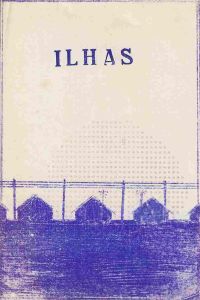
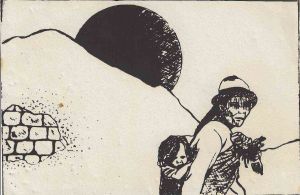
CURRÍCULO RAISONNÉCLAUDIAPortuguêsNome artístico: ClaudiaAtuação: Arte Postal, Mail Art, Poesia Visual, Comunicação Experimental, Arte Conceitual, Arte Gráfica, Livro de Artista, Cartão de Artista, Impressos de ArtistaPeríodo de atividade conhecido: Décadas de 1970 e 1980Locais documentados de atuação: São Paulo SP e Santos SPÁreas de pesquisa e produçãoArte PostalMail Art InternacionalPoema Processo e redes experimentais relacionadasPoesia VisualArte ConceitualArte EcológicaArte e ComunicaçãoArte PolíticaIntervenção GráficaImpressos ExperimentaisCartões de ArtistaRedes Alternativas de ComunicaçãoTrajetóriaClaudia integrou o circuito alternativo da arte postal brasileira durante o período de maior expansão das redes internacionais de Mail Art na América Latina. Sua produção estabelece conexões com os ambientes de experimentação visual, poesia processo, comunicação marginal e circulação independente de obras por correspondência.Sua prática artística utilizou o correio como meio de difusão de ideias, transformando cartões, impressos, formulários administrativos, cupons comerciais, fotografias, desenhos e colagens em veículos de crítica social, política, econômica e ambiental.Os trabalhos atualmente identificados demonstram interesse especial por temas ligados à devastação ambiental, poluição industrial, escassez de água, crítica ao consumismo, alienação produzida pelos meios de comunicação, desigualdade social, fome, paz e direitos humanos.A artista desenvolveu uma linguagem visual direta, acessível e altamente comunicativa, característica das redes internacionais de Arte Correio. Sua produção aproxima arte e ativismo social, convertendo o objeto postal em instrumento de reflexão pública.OBRAS E SÉRIES DOCUMENTADASNúcleo AmbientalSemeamos EsterilidadeEsse Rio Já Não Me Mata a Sede A Fome Está MortoSengés PR Na Terra em que Hoje Trabalho Amanhã Estará Funcionando a Destruidora BraskraftNão Tem Água Drink CokeOs Homens Apodrecem e MorremTrabalhadora com Filha nas CostasPão Paz TerraNúcleo Comunicação e Consciência SocialDesperteSão Muitas Gargantas Roucas Poucos Ouvidos Surdos8 Horas da Noite Ruas Vazias Novela no ArEles Não Nos Tiraram a Venda dos Olhos Apenas a Trocaram por AreiaView From All The Brazilian WindowsNúcleo Consumo e EconomiaConsumaVale VidaMoedas e RatosNúcleo Poesia Visual e Metáfora SocialIlhasFim à Morte NuclearPARTICIPAÇÃO EM REDES DE ARTE POSTALDocumentada por meio de:Cartões de artistaImpressos experimentaisArte postal circuladaCarimbos autoraisCorrespondência artísticaTroca internacional de trabalhosRedes independentes de comunicação visualA produção preservada demonstra integração ao circuito latino americano e internacional de Mail Art ativo entre os anos 1970 e 1980.EXPOSIÇÕESAté o presente momento não foram localizados catálogos ou registros documentais suficientes para atribuir com segurança exposições individuais específicas da artista.Contudo, suas obras se inserem historicamente no contexto das exposições coletivas e circuitos de intercâmbio associados a:Arte Postal BrasileiraMail Art InternacionalPoema ProcessoPoesia Visual BrasileiraArte Conceitual Latino AmericanaComunicação ExperimentalRedes Alternativas de ArteNovas documentações poderão ampliar futuramente esta cronologia.LIVROS E PUBLICAÇÕESAté o momento não foram identificados livros individuais publicados por Claudia.Sua produção é reconhecida principalmente através de:Cartões postais de artistaImpressos de artistaObras circuladas por correioArquivos de Mail ArtAcervos especializados em Arte PostalColeções dedicadas à Poesia VisualColeções ligadas ao Poema ProcessoArquivos de Comunicação ExperimentalIMPORTÂNCIA HISTÓRICAA obra de Claudia constitui um importante testemunho da participação feminina nas redes brasileiras de Arte Postal durante as décadas de 1970 e 1980.Sua produção ocupa posição singular por reunir:Crítica ecológicaCrítica ao consumoPoesia visualAtivismo ambientalComunicação experimentalArte conceitualIntervenção socialMail ArtSua trajetória contribui para a compreensão das relações entre arte, política, meio ambiente e circulação alternativa de informação no Brasil do final do século XX.
English
RAISONNÉ CURRICULUMCLAUDIAEnglishArtist name: ClaudiaFields of activity: Mail Art, Postal Art, Visual Poetry, Experimental Communication, Conceptual Art, Graphic Art, Artist Books, Artist Cards, Printed Artist PublicationsKnown period of activity: 1970s and 1980sDocumented locations: São Paulo Brazil and Santos BrazilAreas of PracticeMail ArtPostal ArtVisual PoetryPoema Processo related experimental practicesConceptual ArtEcological ArtPolitical ArtCommunication ArtGraphic InterventionExperimental Printed MatterArtist CardsAlternative Communication NetworksCareer OverviewClaudia participated in the alternative Brazilian Mail Art circuit during the period of greatest expansion of international correspondence art networks throughout Latin America.Her artistic practice transformed postcards, administrative forms, commercial coupons, photographs, drawings and collages into vehicles for social, political, economic and environmental criticism.The documented body of work reveals a strong concern with environmental destruction, industrial pollution, water scarcity, consumer culture, mass media alienation, social inequality, hunger, peace and human rights.Her visual language is direct, accessible and highly communicative, reflecting the central principles of international Mail Art and correspondence based artistic exchange.DOCUMENTED WORKS AND SERIESEnvironmental WorksSowing SterilityThis River No Longer Quenches My Thirst Nor My Hunger It Is DeadSengés Paraná On The Land Where I Work Today Tomorrow The Braskraft Destroyer Will OperateNo Water Drink CokeMen Rot And DieWorking Woman Carrying Her ChildBread Peace LandCommunication and Social AwarenessWake UpMany Hoarse Throats Few Deaf EarsEight O Clock At Night Empty Streets Soap Opera On AirThey Did Not Remove The Blindfold From Our Eyes They Only Replaced It With SandView From All The Brazilian WindowsConsumer Society and EconomyConsumeLife VoucherCoins and RatsVisual Poetry and Social MetaphorIslandsEnd Nuclear DeathPARTICIPATION IN MAIL ART NETWORKSDocumented through:Artist postcardsExperimental printed matterPostal circulation worksArtist stampsCorrespondence art exchangesIndependent communication networksInternational Mail Art circulationThe preserved works demonstrate participation in Latin American and international Mail Art networks active during the 1970s and 1980s.EXHIBITIONSAt present there is insufficient documentary evidence to attribute specific solo exhibitions to Claudia with full historical certainty.However, her work belongs to the broader exhibition contexts associated with:Brazilian Mail ArtInternational Mail ArtPoema ProcessoBrazilian Visual PoetryLatin American Conceptual ArtExperimental CommunicationAlternative Art NetworksFuture archival discoveries may expand this chronology.BOOKS AND PUBLICATIONSNo individual books authored by Claudia have yet been documented.Her production is primarily preserved through:Artist postcardsArtist printsPostal worksMail Art archivesSpecialized correspondence art collectionsVisual poetry collectionsPoema Processo related archivesExperimental communication archivesHISTORICAL SIGNIFICANCEClaudia's work represents an important example of female participation within Brazilian Mail Art networks during the 1970s and 1980s.Her production uniquely combines:Environmental criticismConsumer society critiqueVisual poetryEcological activismExperimental communicationConceptual artSocial interventionMail ArtHer oeuvre contributes significantly to the understanding of relationships between art, politics, ecology and alternative information networks in late twentieth century Brazil.Claudia artist, Claudia mail art, Claudia postal art, Claudia visual poetry, Claudia Poema Processo, Brazilian mail art, correspondence art, environmental art Brazil, ecological activism art, conceptual art Latin America, experimental communication, artist postcards, visual poetry Brazil, alternative art networks, women in mail art, Brazilian conceptual art, political art Brazil, ecological visual culture, artist stamps, social criticism art, correspondence networks, Latin American avant garde, poetry and image, environmental communication, twentieth century Brazilian art.