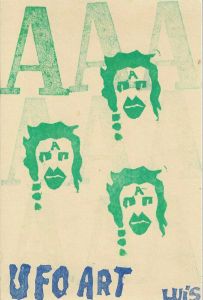
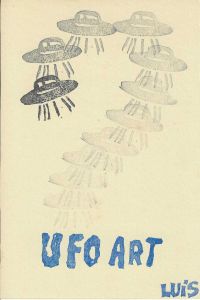
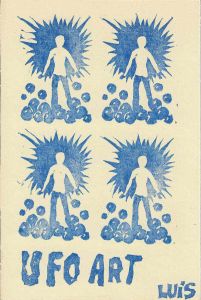
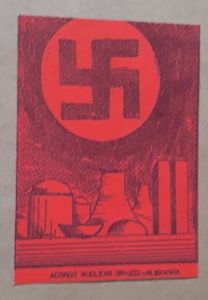
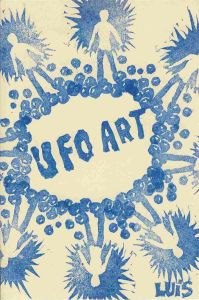
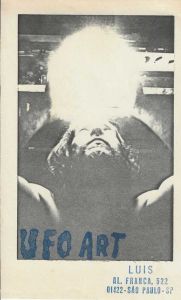
Luis , Alameda Franca , Luis Brusque
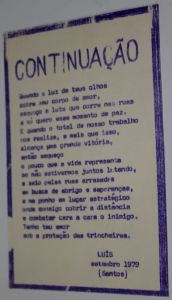
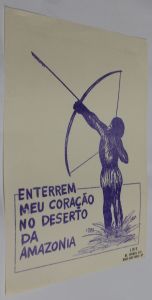
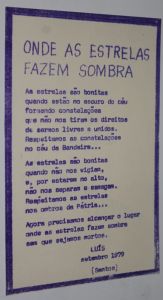
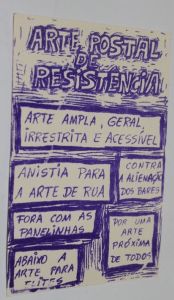
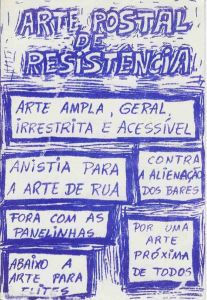
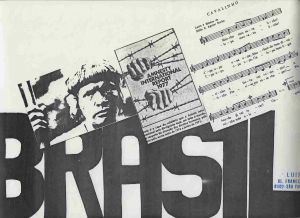
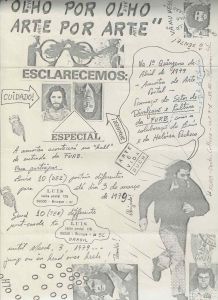
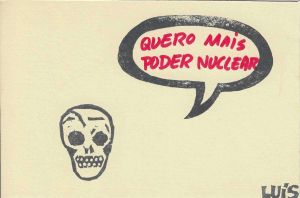
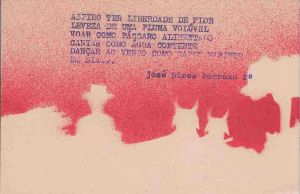
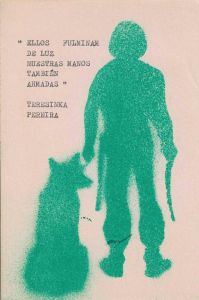
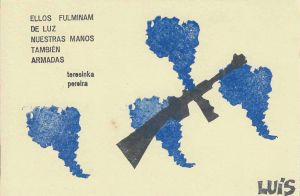
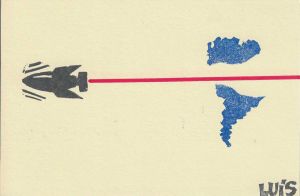
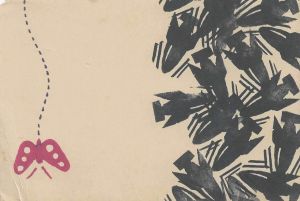
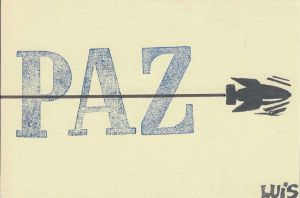
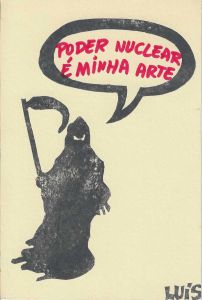
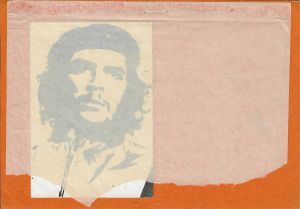
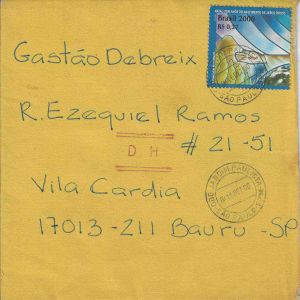
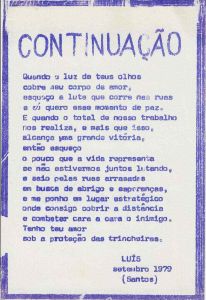
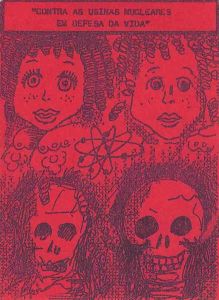
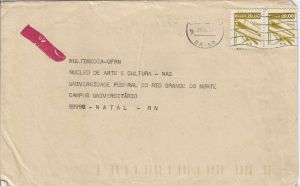
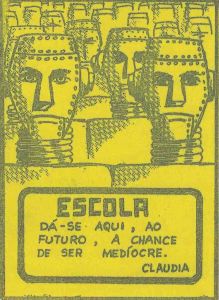
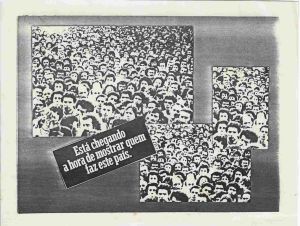
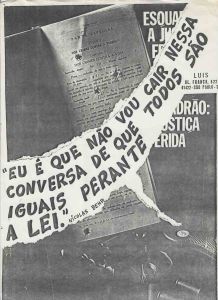
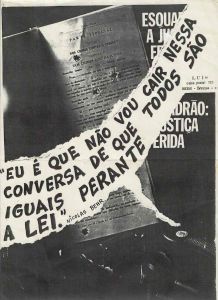
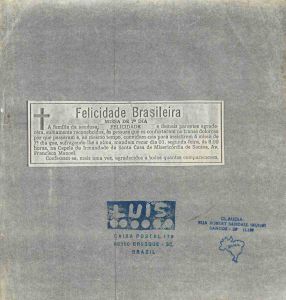
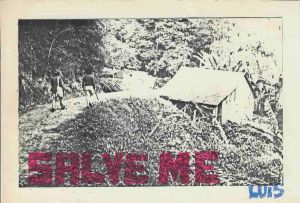
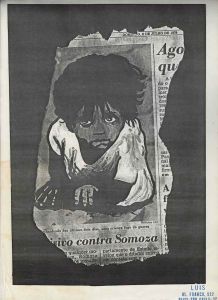
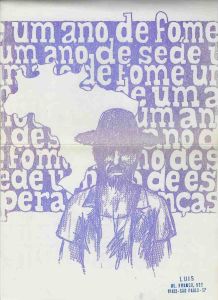
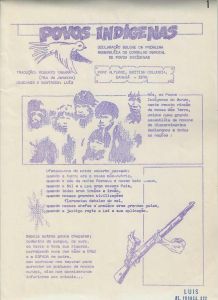
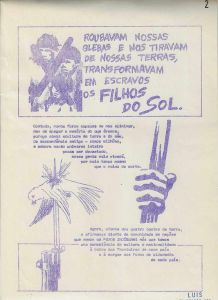
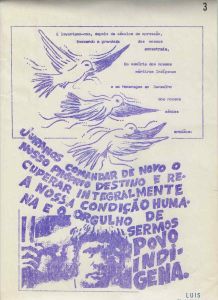
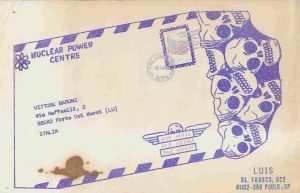
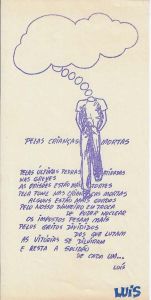
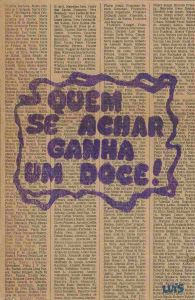
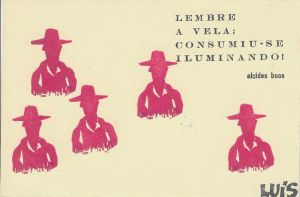
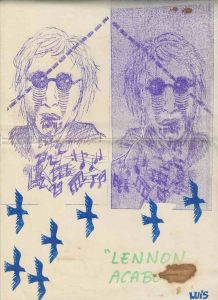
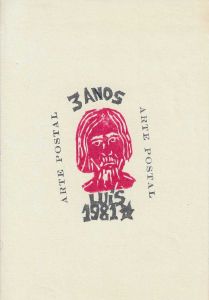
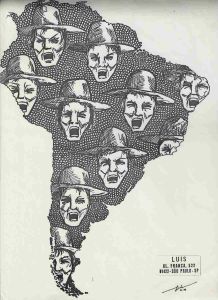
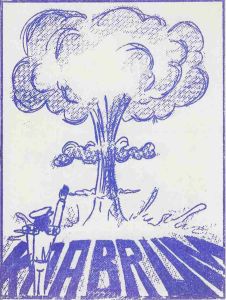
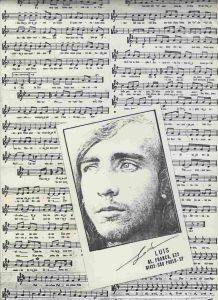
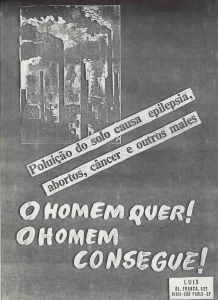
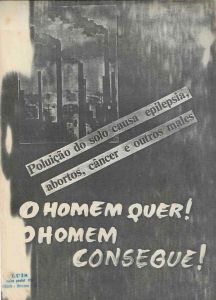
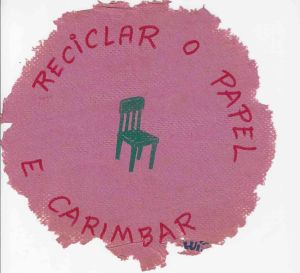
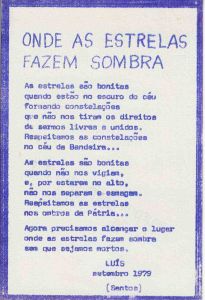
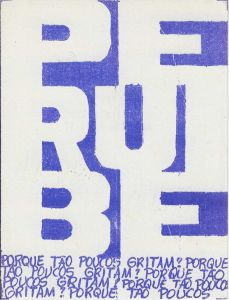
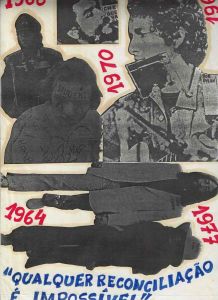
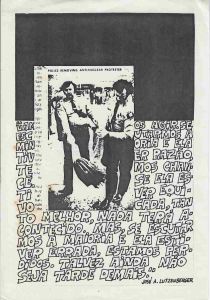
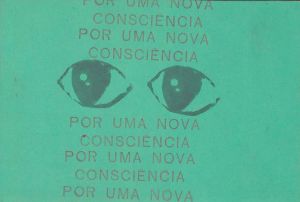
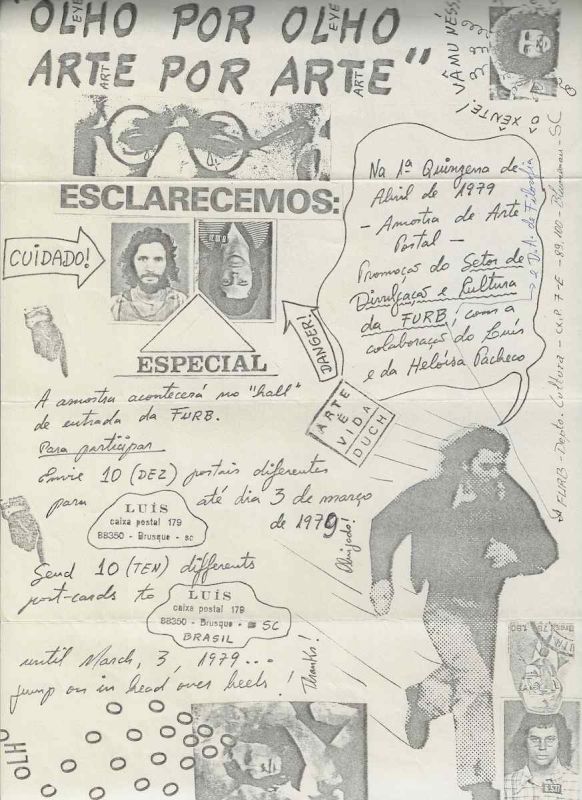 BIOGRAFIA RAISONNÉ PORTUGUÊSLuisTambém identificado como Luis Alameda Franca ou Luis BrusckyLuis foi um artista brasileiro vinculado aos circuitos experimentais da arte postal, poesia visual, comunicação alternativa e arte conceitual que se desenvolveram intensamente no Brasil entre as décadas de 1970 e 1980. Sua produção conhecida circulou principalmente por meio de cartões, impressos mimeografados, intervenções gráficas, arte correio, publicações independentes e redes colaborativas de artistas.As obras atualmente preservadas revelam um criador interessado em questões sociais, políticas, ambientais e humanitárias. Temas como paz, infância, liberdade, crítica ao armamentismo nuclear, defesa do meio ambiente, desigualdade social e comunicação democrática aparecem de forma recorrente em sua produção visual.Sua atuação insere-se no contexto histórico da Arte Postal Internacional, movimento que utilizou os serviços de correio como meio artístico e como alternativa aos circuitos convencionais de museus e galerias. No Brasil, essa rede foi especialmente importante durante os anos da ditadura militar, permitindo a circulação de ideias, imagens e manifestações artísticas fora dos canais institucionais tradicionais.Os trabalhos conhecidos de Luis demonstram afinidade com a estética da poesia visual, do poema processo, da arte conceitual e das práticas experimentais de reprodução gráfica, utilizando mimeógrafo, impressão offset, xerografia, desenho, colagem e impressão tipográfica.Sua produção caracteriza-se pela utilização da imagem como instrumento de comunicação direta, frequentemente associada a mensagens de conscientização social e reflexão crítica. Muitas de suas obras foram distribuídas por correio, ampliando a circulação internacional de suas propostas e fortalecendo os intercâmbios entre artistas da América Latina, Europa e América do Norte.Atualmente, as obras preservadas no acervo Poema Processo constituem uma das mais importantes fontes documentais para o estudo de sua trajetória, permitindo compreender sua participação nas redes históricas da arte postal brasileira e internacional.Palavras chave para indexaçãoLuis Alameda FrancaLuis BrusckyArte Postal BrasileiraMail Art BrasilPoesia Visual BrasileiraArte Conceitual BrasileiraPoema ProcessoArte CorreioMimeógrafo ArtísticoArte Experimental BrasileiraRede Internacional de Arte PostalArte Política BrasileiraArte AntinuclearArte AlternativaComunicação Visual Experimental