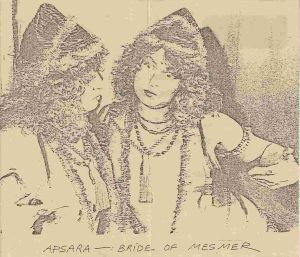
Pat Fish - Patrick Huntrods - Sta Barbara California -USA
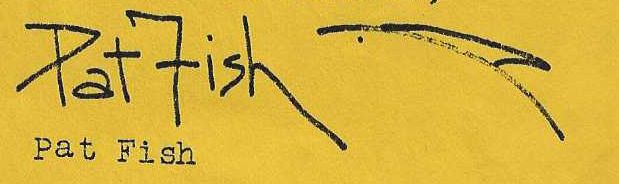
Local de nascimento: Pasadena, Califórnia - USA
Data de nascimento: 1954
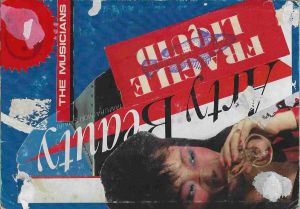
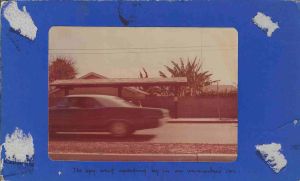
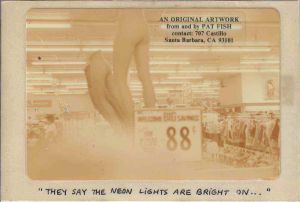
BIOGRAFIA EM PORTUGUÊSPat Fish é uma artista norte americana, nascida em Pasadena, Califórnia, em 1954, associada à arte postal, à fotografia experimental, à colagem, ao texto visual, à produção gráfica alternativa e, posteriormente, à tatuagem artística. Desenvolveu parte central de sua trajetória em Santa Barbara, Califórnia, onde participou das redes internacionais de Mail Art durante a década de 1970. Sua obra postal circulou por meio de cartões, fotografias manipuladas, mensagens manuscritas, carimbos, selos, inscrições, apropriações gráficas e interferências realizadas sobre objetos enviados pelo correio. A artista aparece identificada em documentos postais como Pat Fish e também utilizou a designação Bozotolia em etiquetas, endereços e comunicações vinculadas à sua produção.Pat Fish estudou arte e cinema na University of California, Santa Barbara, entre 1975 e 1979. Fontes biográficas relacionadas à artista informam que concluiu estudos em Studio Art e Film Studies em 1979. Sua formação em artes visuais e cinema ajuda a compreender o emprego da fotografia, da montagem, da narrativa fragmentária e da associação entre imagem e texto presente em sua produção postal. Mais tarde, também obteve qualificação para o ensino e ministrou atividades de educação artística em Santa Barbara.Segundo a Fundação Vera Chaves Barcellos, sua participação na arte postal teria começado com o envio de uma contribuição de arte dadaísta relacionada à revista Vile em 1972. Essa data, entretanto, necessita de verificação documental mais aprofundada, pois as cronologias conhecidas da publicação Vile situam o início de sua edição regular em 1974. A informação deve, portanto, ser mantida como um dado publicado por fonte institucional, mas não como uma cronologia definitivamente resolvida. A presença de Pat Fish em Vile está documentada em edição de 1978 dedicada à produção de mulheres vinculadas à rede internacional de arte postal.Durante os anos 1970, Pat Fish integrou a chamada Eternal Network, expressão utilizada para designar a rede descentralizada de artistas que trocavam obras, projetos, convites, revistas, listas de endereços e proposições conceituais pelo sistema postal. Sua atuação envolveu correspondências internacionais com artistas da Europa, da América do Norte e da América Latina. Registros preservados pelo Lomholt Mail Art Archive documentam comunicações de Pat Fish em 1978 e confirmam sua presença ativa na rede naquele período.A correspondência enviada por Pat Fish ao artista brasileiro Falves Silva em 1976 amplia a documentação conhecida de suas relações com a arte experimental brasileira. O cartão foi remetido de Santa Barbara para Natal, Rio Grande do Norte, e combina fotografia manipulada de um ambiente comercial, escrita manuscrita, selo postal, carimbo, identificação da artista, a inscrição Fragile Liquid e um texto que relaciona corpos, comércio, arte, produção, pele e ossos. A obra estabelece uma reflexão sobre consumo, trabalho, aparência corporal e materialidade humana. Sua circulação até Falves Silva demonstra que Pat Fish mantinha contato com artistas associados à poesia experimental, ao Poema Processo e às redes alternativas brasileiras.A fotografia utilizada nesse cartão apresenta alterações tonais próximas da inversão cromática, da descoloração e da solarização. O ambiente de loja, as araras de roupas, a iluminação artificial, a placa com o número 88 e a presença parcial de um corpo humano formam uma imagem associada à cultura de consumo. A frase manuscrita sobre as luzes de néon acrescenta uma camada de referência urbana e cultural. No verso, a intervenção Fragile Liquid converte o objeto postal em uma proposição visual sobre fragilidade, liquidez, circulação e transformação.A mensagem enviada a Falves Silva aproxima o corpo comercializado do corpo material, reduzido em última instância à pele e aos ossos. Essa relação entre superfície, identidade, corpo e imagem reapareceria posteriormente na atividade de Pat Fish como tatuadora. Embora a arte postal e a tatuagem pertençam a contextos distintos, ambas envolvem circulação, inscrição, superfície, identidade e comunicação. Na arte postal, a mensagem percorre redes geográficas e sociais. Na tatuagem, a imagem passa a circular sobre o corpo humano.Em 1983, Pat Fish participou do projeto internacional Marx Test, organizado por Géza Perneczky, no qual sua contribuição aparece ao lado de trabalhos de Peter Kaufman, Robert C. Rudine, Steen Moller Rasmussen, Guy Bleus, Ko de Jonge e outros integrantes da rede de arte postal. A documentação desse projeto é preservada pelo Artpool Art Research Center, importante arquivo internacional dedicado à arte conceitual, à Mail Art, ao Fluxus e às práticas artísticas alternativas.Em 1984, Pat Fish iniciou sua formação profissional em tatuagem com Cliff Raven. Ela transferiu para esse novo campo sua experiência em desenho, composição, grafismo e padrões lineares. Estabeleceu o estúdio Tattoo Santa Barbara e passou a desenvolver tatuagens inspiradas em manuscritos iluminados, entrelaçamentos celtas, pedras pictas, cruzes monumentais, formas geométricas e tradições visuais das Ilhas Britânicas. Sua pesquisa incluiu viagens, documentação fotográfica, visitas a sítios arqueológicos, estudos de monumentos e realização de decalques de cruzes e pedras históricas.A produção de Pat Fish como tatuadora tornou se internacionalmente conhecida por seus desenhos celtas e pictos adaptados à anatomia humana. Seu trabalho explora a relação entre desenho, movimento, volume corporal e continuidade dos padrões. A artista considera o corpo não apenas como suporte, mas como parte estrutural da composição. Essa abordagem prolonga questões já observáveis em sua produção postal, especialmente as relações entre corpo, superfície, inscrição, transformação e identidade.Em 1997, a Arts Library da University of California, Santa Barbara apresentou a exposição Art Through the Mail: The Eternal Network. A mostra foi organizada a partir da coleção de arte postal doada por Pat Fish à biblioteca e teve curadoria conjunta de Lyn Korenic, Lydia Emard e Barbara Millett. Em 21 de março de 1997, Pat Fish realizou uma apresentação pública sobre as obras e a experiência da rede de correspondência artística. A doação transformou seu arquivo pessoal em fonte de pesquisa sobre a história da Mail Art e sobre a circulação internacional da arte experimental.A exposição de 1997 é especialmente significativa porque reconheceu Pat Fish não apenas como produtora de arte postal, mas também como arquivista e preservadora da Eternal Network. Coleções dessa natureza documentam relações que frequentemente não aparecem na história institucional da arte, incluindo artistas independentes, publicações efêmeras, correspondências privadas, projetos coletivos e intercâmbios realizados fora do mercado tradicional.Pat Fish também participou de palestras, entrevistas, programas de televisão, publicações e eventos relacionados à tatuagem e à cultura visual. Entre suas atividades documentadas encontram se a palestra Women and Tattooing, apresentada na University of California, Santa Barbara, em 2015, e Bringing Illuminated Manuscripts to Life in Skin, apresentada no Schoenberg Symposium da University of Pennsylvania, em 2016. Sua produção foi reproduzida ou discutida em livros dedicados à tatuagem, à cultura celta e à arte corporal.A importância histórica de Pat Fish resulta da articulação entre dois campos normalmente estudados separadamente. Na década de 1970, participou da arte postal internacional, empregando fotografia, texto, colagem, circulação e correspondência. A partir da década de 1980, construiu uma trajetória reconhecida na tatuagem artística, aplicando ao corpo humano seus conhecimentos de desenho e cultura visual. Sua obra permite investigar conexões entre Mail Art, fotografia experimental, poesia visual, arte conceitual, cultura gráfica, tatuagem, corpo, identidade e redes internacionais de artistas.A relação de Pat Fish com o Poema Processo ocorre por meio de sua correspondência com Falves Silva, artista central da produção experimental desenvolvida em Natal. O cartão enviado em 1976 constitui documento primário dessa conexão. Não foi localizada comprovação de que Pat Fish tenha integrado formalmente o movimento Poema Processo. Sua importância para esse contexto decorre da circulação de sua obra dentro das redes internacionais alcançadas por Falves Silva e por artistas brasileiros ligados à poesia experimental e à arte postal.
English
BIOGRAPHY IN ENGLISHPat Fish is an American artist born in Pasadena, California, in 1954. She is associated with mail art, experimental photography, collage, visual text, alternative graphic production and, later, artistic tattooing. A central part of her career developed in Santa Barbara, California, where she participated in international Mail Art networks during the 1970s. Her postal works circulated through cards, manipulated photographs, handwritten messages, stamps, postage, graphic appropriations and interventions applied to objects sent through the mail. She appears in postal documents as Pat Fish and also used the designation Bozotolia in labels, addresses and communications connected with her artistic production.Fish studied art and film at the University of California, Santa Barbara, from 1975 to 1979. Biographical sources associated with the artist state that she completed degrees in Studio Art and Film Studies in 1979. Her education in visual art and cinema provides an important context for understanding her use of photography, montage, fragmented narrative and combinations of image and text. She later obtained teaching credentials and conducted art education activities in Santa Barbara.According to the Fundação Vera Chaves Barcellos, her involvement with mail art began with the submission of a Dada related work associated with Vile magazine in 1972. This date requires further documentary verification because established publication chronologies generally place the beginning of Vile in 1974. The information should therefore be retained as an institutionally published record rather than treated as a completely resolved chronology. The presence of Pat Fish in Vile is documented in a 1978 issue devoted to women participating in the international mail art network.During the 1970s, Pat Fish participated in the Eternal Network, the term used for the decentralized network of artists who exchanged artworks, projects, invitations, magazines, address lists and conceptual propositions through the postal system. Her activities included international correspondence with artists in Europe, North America and Latin America. Records preserved by the Lomholt Mail Art Archive document communications by Pat Fish in 1978 and confirm her active presence in the network during this period.The correspondence sent by Pat Fish to the Brazilian artist Falves Silva in 1976 expands the known documentation of her connections with Brazilian experimental art. The postcard was mailed from Santa Barbara to Natal, Rio Grande do Norte, and combines a manipulated photograph of a commercial interior, handwriting, postage, postal markings, the identification of the artist, the inscription Fragile Liquid and a text connecting bodies, commerce, art, production, skin and bones. The work develops a reflection on consumption, labor, bodily appearance and human materiality. Its circulation to Falves Silva demonstrates that Pat Fish was in contact with artists associated with experimental poetry, the Process Poem Movement and Brazilian alternative networks.The photograph used on the postcard presents tonal alterations resembling chromatic inversion, fading and solarization. The store interior, clothing racks, artificial lighting, a sign displaying the number 88 and the partial presence of a human body create an image connected to consumer culture. A handwritten phrase concerning neon lights introduces an additional urban and cultural reference. On the reverse, the Fragile Liquid intervention transforms the postal object into a visual proposition concerning fragility, liquidity, circulation and change.The message sent to Falves Silva relates the commercialized body to the material body, ultimately reduced to skin and bones. This relationship between surface, identity, body and image would later reappear in Pat Fish?s activity as a tattoo artist. Although mail art and tattooing belong to different contexts, both involve circulation, inscription, surface, identity and communication. In mail art, the message circulates across geographical and social networks. In tattooing, the image circulates on the human body.In 1983, Pat Fish participated in the international Marx Test project organized by Géza Perneczky. Her contribution appears alongside works by Peter Kaufman, Robert C. Rudine, Steen Moller Rasmussen, Guy Bleus, Ko de Jonge and other participants in the mail art network. Documentation of this project is preserved by the Artpool Art Research Center, a major international archive devoted to conceptual art, Mail Art, Fluxus and alternative artistic practices.In 1984, Fish began her professional tattoo training with Cliff Raven. She transferred her experience in drawing, composition, graphic design and linear patterning to this new field. She established Tattoo Santa Barbara and developed tattoos inspired by illuminated manuscripts, Celtic interlace, Pictish stones, monumental crosses, geometric forms and the visual traditions of the British Isles. Her research included travel, photography, archaeological sites, museum study and rubbings taken from historical crosses and carved stones.Pat Fish became internationally recognized for Celtic and Pictish tattoo designs adapted to the anatomy of the human body. Her work investigates the relationship between drawing, movement, bodily volume and the continuity of patterns. She treats the body not merely as a support but as a structural component of the composition. This approach extends concerns already visible in her postal production, particularly the relationships among body, surface, inscription, transformation and identity.In 1997, the Arts Library at the University of California, Santa Barbara presented Art Through the Mail: The Eternal Network. The exhibition was drawn from the mail art collection donated by Pat Fish to the library and was jointly curated by Lyn Korenic, Lydia Emard and Barbara Millett. On 21 March 1997, Fish gave a public presentation concerning the works and her experience within the correspondence art network. The donation transformed her personal archive into a research resource on the history of Mail Art and the international circulation of experimental art.The 1997 exhibition is particularly significant because it recognized Pat Fish not only as a producer of mail art but also as an archivist and preserver of the Eternal Network. Collections of this kind document relationships frequently absent from institutional art history, including independent artists, ephemeral publications, private correspondence, collective projects and exchanges conducted outside the traditional art market.Fish has also participated in lectures, interviews, television programs, publications and events related to tattooing and visual culture. Documented activities include Women and Tattooing at the University of California, Santa Barbara, in 2015, and Bringing Illuminated Manuscripts to Life in Skin at the Schoenberg Symposium of the University of Pennsylvania in 2016. Her work has been reproduced or discussed in books devoted to tattooing, Celtic culture and body art.The historical significance of Pat Fish arises from her connection of two fields that are usually studied separately. During the 1970s, she participated in international mail art through photography, text, collage, circulation and correspondence. From the 1980s onward, she developed a recognized career in artistic tattooing, applying her knowledge of drawing and visual culture to the human body. Her work enables the study of connections among Mail Art, experimental photography, visual poetry, conceptual art, graphic culture, tattooing, the body, identity and international artists networks.Pat Fish?s relationship with the Process Poem Movement is documented through her correspondence with Falves Silva, a central artist in the experimental production developed in Natal, Brazil. The postcard sent in 1976 is a primary document of this connection. No evidence has been located indicating that Pat Fish formally joined the Process Poem Movement. Her importance within this context derives from the circulation of her work through the international networks reached by Falves Silva and by Brazilian artists connected with experimental poetry and mail art.
Currículo
CURRÍCULO EM PORTUGUÊSIDENTIFICAÇÃONome principalPat FishNome artísticoPat FishDesignação relacionada à arte postalBozotoliaNascimento1954, Pasadena, Califórnia, Estados UnidosNacionalidadeNorte americanaCidade principal de atuaçãoSanta Barbara, Califórnia, Estados UnidosÁreas de atuaçãoArte postal, Mail Art, fotografia experimental, colagem, desenho, produção gráfica, correspondência artística, arquivo, educação artística e tatuagemMovimentos e contextosEternal Network, arte postal internacional, arte conceitual, fotografia experimental, cultura gráfica alternativa, arte corporal e tatuagem contemporâneaFORMAÇÃO1975 a 1979Estudos de arte e cinema na University of California, Santa Barbara1979Conclusão de formação em Studio Art e Film Studies, conforme fontes biográficas da artistaPeríodo posterior não localizadoObtenção de qualificação para ensino artísticoARTE POSTAL E CORRESPONDÊNCIA1972A Fundação Vera Chaves Barcellos registra o início da participação de Pat Fish na arte postal por meio de uma contribuição de arte dadaísta relacionada à revista Vile. A data necessita de confirmação por documento primário, pois a circulação regular de Vile é geralmente situada a partir de 1974.1976Envio de cartão de arte postal a Falves Silva, em Natal, Rio Grande do Norte, Brasil. A obra apresenta fotografia manipulada de um ambiente comercial, escrita manuscrita, inscrição Fragile Liquid, selo aéreo norte americano, etiqueta de remetente e reflexão textual sobre corpos, comércio, arte, produção, pele e ossos.1978Presença documentada em Vile, publicação editada por Anna Banana, em edição dedicada à produção de mulheres relacionadas à rede internacional de Mail Art.1978Correspondências e registros de Pat Fish preservados no Lomholt Mail Art Archive.1983Participação no projeto internacional Marx Test, organizado por Géza Perneczky. Documentação preservada pelo Artpool Art Research Center.1997Doação de coleção de arte postal à Arts Library da University of California, Santa Barbara.EXPOSIÇÕES INDIVIDUAISNão foram localizadas nas fontes consultadas exposições individuais de arte postal apresentadas exclusivamente por Pat Fish.EXPOSIÇÕES COLETIVAS E DOCUMENTAIS1997Art Through the Mail: The Eternal NetworkArts Library, University of California, Santa BarbaraSanta Barbara, Califórnia, Estados UnidosCuradoria de Lyn Korenic, Lydia Emard e Barbara MillettExposição formada a partir da coleção de arte postal doada por Pat Fish21 de março de 1997Apresentação pública de Pat Fish sobre a exposição, as obras e a experiência da Mail ArtPUBLICAÇÕES DE ARTISTA E PERIÓDICOS1978VileParticipação documentada em edição dedicada à arte postal produzida por mulheresEditora relacionadaAnna BananaPROJETOS E COLABORAÇÕES1983Marx TestProjeto de arte postal organizado por Géza PerneczkyParticipantes relacionados incluem Peter Kaufman, Robert C. Rudine, Steen Moller Rasmussen, Guy Bleus e Ko de JongeArquivo relacionadoArtpool Art Research CenterATUAÇÃO COMO TATUADORA1984Início da formação em tatuagem com Cliff Raven1984Fundação do estúdio Tattoo Santa BarbaraSanta Barbara, Califórnia, Estados UnidosDécada de 1980 em dianteEspecialização em tatuagem celta e picta baseada em manuscritos iluminados, pedras esculpidas, cruzes históricas, entrelaçamentos e padrões geométricosPesquisa de campo nas Ilhas Britânicas e na Irlanda, incluindo monumentos, museus, cemitérios, pedras pictas e cruzes monumentaisEXPOSIÇÕES E ATIVIDADES RELACIONADAS À PRODUÇÃO VISUAL E À TATUAGEMA documentação pública consultada registra apresentações e mostras de trabalhos vinculados à tatuagem, mas não fornece informações suficientes para classificar todas como exposições individuais ou coletivas de arte.PALESTRAS E ATIVIDADES ACADÊMICAS1997Apresentação sobre Art Through the Mail: The Eternal NetworkUniversity of California, Santa Barbara2014Celtic Tattoos and TraditionsNational Tattoo Convention2015Women and TattooingUniversity of California, Santa Barbara2016Bringing Illuminated Manuscripts to Life in SkinSchoenberg SymposiumUniversity of PennsylvaniaLIVROS E PUBLICAÇÕES COM REPRODUÇÕES OU REFERÊNCIAS À PRODUÇÃO DE PAT FISH2009Japanese Tattoo Design Book número 52011The Mammoth Book of Tattoo Art2011Tattoo World2011Tattoo Dynamite Bookazine2012Icons of Irishness2012Tattoo Art2013Black Tattoo Art 22013Japanese Tattoo Design Book número 92014Inked: Tattoos and Body Art around the World2016100 Years of Tattoos2016The Scottish Gaelic Tattoo Handbook2017The Irish Gaelic Tattoo HandbookData não localizada nas fontes consultadasGuide to Breast ReconstructionOs registros disponíveis indicam presença ou reprodução do trabalho de Pat Fish nessas publicações, mas não comprovam que ela seja autora integral dos volumes.TELEVISÃO, CINEMA E VÍDEO1998Women of the InkEspecial televisivo com participação de Pat Fish2003Mystic RiverProdução cinematográfica na qual aparece uma tatuagem celta originalmente desenhada por Pat Fish2014The Beauty ProjectEntrevista2015Women?s Tattoos and TrendsRegistro em vídeo de palestra2015Signs and SymbolsVídeo relacionado às pedras pictas2018Ink ExpeditionVídeoPRÊMIOS E RECONHECIMENTOS2008Inclusão entre treze mulheres de destaque na tatuagem pela publicação Skin and Ink2010Reconhecimento entre cento e uma pessoas influentes no campo da tatuagem2010Best Use of TribalNational Tattoo Convention2014Best Use of TribalNational Tattoo ConventionData não localizada nas fontes consultadasRegistro no Guinness World Records relacionado à sua atividade profissional, sem descrição suficiente nas fontes consultadas para identificação precisa da categoriaCOLEÇÕES E ARQUIVOSUniversity of California, Santa Barbara LibrarySanta Barbara, Califórnia, Estados UnidosColeção de arte postal doada por Pat Fish e utilizada na exposição Art Through the Mail: The Eternal NetworkLomholt Mail Art ArchiveDinamarcaCorrespondências e registros de Pat Fish relacionados à Mail Art na década de 1970Artpool Art Research CenterBudapeste, HungriaDocumentação relacionada à participação de Pat Fish no projeto Marx Test de 1983Fundação Vera Chaves BarcellosViamão, Rio Grande do Sul, BrasilObras e registros de Pat Fish relacionados à arte postalColeção vinculada a Falves Silva e ao arquivo do Poema ProcessoBrasilCartão original enviado por Pat Fish a Falves Silva em 1976CRONOLOGIA1954Nascimento em Pasadena, Califórnia, Estados Unidos1972Data atribuída por fonte institucional ao início de sua participação em arte postal, sujeita a confirmação documental1975Início dos estudos de arte e cinema na University of California, Santa Barbara1976Envio de cartão de arte postal a Falves Silva em Natal, Brasil1978Participação documentada em Vile e presença em registros do Lomholt Mail Art Archive1979Conclusão da formação em Studio Art e Film Studies1983Participação no projeto Marx Test1984Início da formação em tatuagem com Cliff Raven e estabelecimento do Tattoo Santa Barbara1997Doação de sua coleção de Mail Art à University of California, Santa Barbara e realização da exposição Art Through the Mail: The Eternal Network1998Participação no especial televisivo Women of the Ink2003Presença de desenho de sua autoria no filme Mystic River2010Reconhecimento profissional e prêmio no National Tattoo Convention2014Palestra Celtic Tattoos and Traditions e prêmio Best Use of Tribal2015Palestra Women and Tattooing na University of California, Santa Barbara2016Palestra Bringing Illuminated Manuscripts to Life in Skin na University of Pennsylvania2019Participação relacionada ao Glenn Innes International Celtic Art Festival, conforme registro profissional da artista
English
CURRICULUM IN ENGLISHIDENTIFICATIONPrimary namePat FishArtistic namePat FishMail art designationBozotoliaBorn1954, Pasadena, California, United StatesNationalityAmericanPrimary city of activitySanta Barbara, California, United StatesFields of activityMail Art, experimental photography, collage, drawing, graphic production, correspondence art, archival practice, art education and tattooingMovements and contextsEternal Network, international mail art, conceptual art, experimental photography, alternative graphic culture, body art and contemporary tattooingEDUCATION1975 to 1979Studies in art and film at the University of California, Santa Barbara1979Completion of degrees in Studio Art and Film Studies according to biographical sources associated with the artistDate not locatedTeaching credential and art education trainingMAIL ART AND CORRESPONDENCE1972The Fundação Vera Chaves Barcellos identifies the beginning of Pat Fish?s involvement with mail art through a Dada related contribution associated with Vile magazine. The date requires confirmation through a primary document because the regular circulation of Vile is generally dated from 1974.1976Mail art postcard sent to Falves Silva in Natal, Rio Grande do Norte, Brazil. The work contains a manipulated photograph of a commercial environment, handwriting, the inscription Fragile Liquid, a United States airmail stamp, a return address label and a textual reflection on bodies, commerce, art, production, skin and bones.1978Documented presence in Vile, edited by Anna Banana, in an issue devoted to women participating in the international Mail Art network.1978Correspondence and records by Pat Fish preserved in the Lomholt Mail Art Archive.1983Participation in the international Marx Test project organized by Géza Perneczky. Documentation is preserved by the Artpool Art Research Center.1997Donation of a mail art collection to the Arts Library of the University of California, Santa Barbara.SOLO EXHIBITIONSNo solo exhibition exclusively devoted to Pat Fish?s mail art was located in the sources consulted.GROUP AND DOCUMENTARY EXHIBITIONS1997Art Through the Mail: The Eternal NetworkArts Library, University of California, Santa BarbaraSanta Barbara, California, United StatesJointly curated by Lyn Korenic, Lydia Emard and Barbara MillettExhibition based on the mail art collection donated by Pat Fish21 March 1997Public presentation by Pat Fish concerning the exhibition, its works and her experience of Mail ArtARTISTS PUBLICATIONS AND PERIODICALS1978VileDocumented participation in an issue devoted to mail art produced by womenAssociated editorAnna BananaPROJECTS AND COLLABORATIONS1983Marx TestMail art project organized by Géza PerneczkyAssociated participants include Peter Kaufman, Robert C. Rudine, Steen Moller Rasmussen, Guy Bleus and Ko de JongeRelated archiveArtpool Art Research CenterPROFESSIONAL ACTIVITY AS A TATTOO ARTIST1984Beginning of tattoo apprenticeship with Cliff Raven1984Establishment of Tattoo Santa BarbaraSanta Barbara, California, United StatesFrom the 1980s onwardSpecialization in Celtic and Pictish tattooing based on illuminated manuscripts, carved stones, historical crosses, interlace and geometric patternsField research in the British Isles and Ireland involving monuments, museums, graveyards, Pictish stones and monumental crossesEXHIBITIONS AND ACTIVITIES RELATED TO VISUAL ART AND TATTOOINGThe public documentation consulted records presentations and displays connected with tattooing, but it does not provide sufficient information to classify all of them as solo or group art exhibitions.LECTURES, COURSES AND ACADEMIC ACTIVITIES1997Presentation concerning Art Through the Mail: The Eternal NetworkUniversity of California, Santa Barbara2014Celtic Tattoos and TraditionsNational Tattoo Convention2015Women and TattooingUniversity of California, Santa Barbara2016Bringing Illuminated Manuscripts to Life in SkinSchoenberg SymposiumUniversity of PennsylvaniaBOOKS AND PUBLICATIONS REPRODUCING OR DISCUSSING THE WORK OF PAT FISH2009Japanese Tattoo Design Book number 52011The Mammoth Book of Tattoo Art2011Tattoo World2011Tattoo Dynamite Bookazine2012Icons of Irishness2012Tattoo Art2013Black Tattoo Art 22013Japanese Tattoo Design Book number 92014Inked: Tattoos and Body Art around the World2016100 Years of Tattoos2016The Scottish Gaelic Tattoo Handbook2017The Irish Gaelic Tattoo HandbookDate not located in the sources consultedGuide to Breast ReconstructionAvailable records indicate the presence or reproduction of Pat Fish?s work in these publications but do not establish her as the sole author of the volumes.TELEVISION, FILM AND VIDEO1998Women of the InkTelevision special featuring Pat Fish2003Mystic RiverFeature film containing an original Celtic tattoo design by Pat Fish2014The Beauty ProjectInterview2015Women?s Tattoos and TrendsRecorded lecture2015Signs and SymbolsVideo concerning Pictish stones2018Ink ExpeditionVideoAWARDS AND RECOGNITION2008Included among thirteen prominent women tattoo artists by Skin and Ink2010Recognized among one hundred and one influential people in tattooing2010Best Use of TribalNational Tattoo Convention2014Best Use of TribalNational Tattoo ConventionDate not locatedGuinness World Records recognition associated with her professional activity. The available source does not provide sufficient information to identify the precise category.PUBLIC COLLECTIONS AND ARCHIVESUniversity of California, Santa Barbara LibrarySanta Barbara, California, United StatesMail art collection donated by Pat Fish and used for the exhibition Art Through the Mail: The Eternal NetworkLomholt Mail Art ArchiveDenmarkCorrespondence and records related to Pat Fish?s Mail Art activities during the 1970sArtpool Art Research CenterBudapest, HungaryDocumentation concerning Pat Fish?s participation in the 1983 Marx Test projectFundação Vera Chaves BarcellosViamão, Rio Grande do Sul, BrazilWorks and records related to Pat Fish and Mail ArtCollection associated with Falves Silva and the Process Poem archiveBrazilOriginal postcard sent by Pat Fish to Falves Silva in 1976CHRONOLOGY1954Born in Pasadena, California, United States1972Date attributed by an institutional source to the beginning of her mail art activity, subject to documentary confirmation1975Began studies in art and film at the University of California, Santa Barbara1976Sent a mail art postcard to Falves Silva in Natal, Brazil1978Documented participation in Vile and presence in records held by the Lomholt Mail Art Archive1979Completed degrees in Studio Art and Film Studies1983Participated in the Marx Test project1984Began tattoo training with Cliff Raven and established Tattoo Santa Barbara1997Donated her Mail Art collection to the University of California, Santa Barbara and participated in Art Through the Mail: The Eternal Network1998Appeared in the television special Women of the Ink2003An original tattoo design by Pat Fish appeared in the film Mystic River2010Received professional recognition and an award at the National Tattoo Convention2014Presented Celtic Tattoos and Traditions and received the Best Use of Tribal award2015Presented Women and Tattooing at the University of California, Santa Barbara2016Presented Bringing Illuminated Manuscripts to Life in Skin at the University of Pennsylvania2019Activity associated with the Glenn Innes International Celtic Art Festival according to the artist?s professional recordA organização em quatro textos, a separação entre biografia e currículo e a exigência de não preencher lacunas com informações inventadas seguem o modelo fornecido para o cadastro no sistema Salsa.