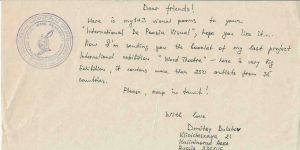
Dmitry Bulatov - Russia
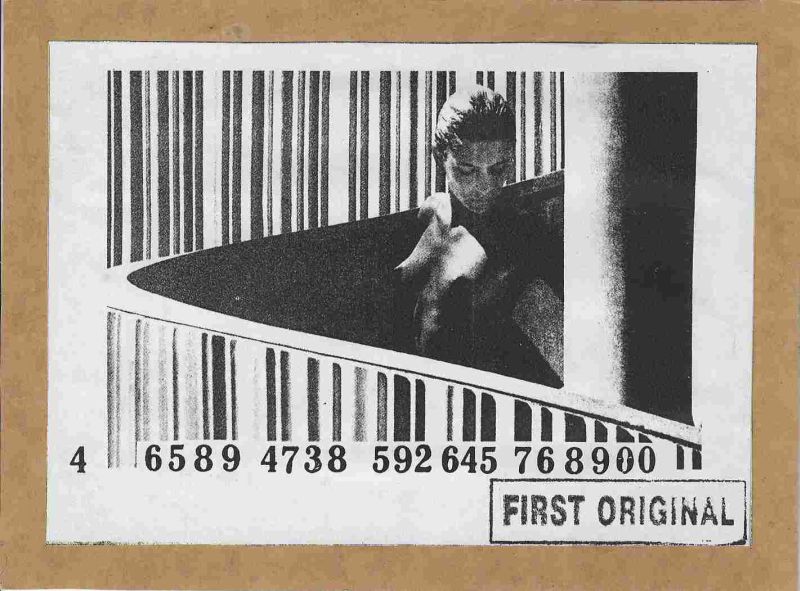
Local de nascimento: Kaliningrado, então União Soviética
Data de nascimento: 3 de março de 1968
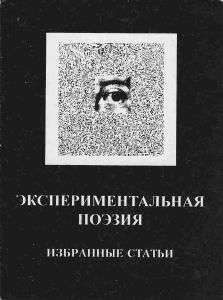
BIOGRAFIA EM PORTUGUÊSDmitry Khametovich Bulatov, também grafado Dmitry Bulatov, Dmitrii Bulatov e em russo ??????? ????????? ???????, é artista, poeta experimental, linguoartista, pesquisador, teórico da arte, editor e curador russo, nascido em Kaliningrado, então União Soviética, em 3 de março de 1968. A data de 1968 é sustentada pelo Russian Art Archive Network e por diversas biografias especializadas, embora uma fonte secundária registre 1967. Vive e trabalha em Kaliningrado. Sua trajetória parte da poesia experimental, poesia visual, poesia sonora, Mail Art e práticas intermedia dos anos 1990 e posteriormente se expande para Art&Science, bioarte, arte tecnológica, robótica, biotecnologia, engenharia genética, nanotecnologia, realidade aumentada e investigação das relações entre sistemas vivos, ciência e arte contemporânea.Bulatov concluiu em 1992 seus estudos na Universidade de Aviação da Letônia, em Riga. Apesar da formação técnica, direcionou sua atividade profissional para a arte contemporânea e para formas experimentais de literatura. Entre 1993 e 1998 trabalhou como pesquisador no departamento de arte do Kaliningrad Regional History and Art Museum, instituição então vinculada ao endereço Klinicheskaya 21, Kaliningrado, código postal 236016. Documentação histórica do próprio departamento registra a instituição como Regional History and Art Museum, Art Department, 21 Klinicheskaya Street, Kaliningrad, Russia. Nesse período Bulatov participou da organização e curadoria de mais de vinte projetos expositivos.O período inicial de sua produção esteve fortemente relacionado à poesia visual, poesia sonora, literatura experimental, linguagens fronteiriças e circulação internacional de obras. Entre 1993 e 1999 integrou a comunidade International Network Culture, INC. O Russian Art Archive Network registra esse vínculo como parte importante de sua formação dentro das redes internacionais de comunicação artística. Paralelamente, Bulatov produziu poesia visual e sonora, participou de exposições e projetos multimídia e passou a organizar publicações de caráter antológico dedicadas às formas experimentais da linguagem.Sua atuação editorial tornou se um elemento central de sua trajetória. Em 1995, juntamente com A. Popadin, organizou Ojkumena, publicação dedicada à poesia e prosa contemporâneas de Kaliningrado. Em 1996 organizou Move M???, número especial da revista Artikl dedicado à poesia experimental, acompanhado de fita de áudio, e Experimental Poetry. Selected Articles, publicado em Malbork. Em 1998 organizou Point of View. Visual Poetry: 90s, extensa antologia internacional de poesia visual publicada em Olsztyn. Essas iniciativas colocaram Bulatov entre os principais agentes russos de documentação, circulação e contextualização da poesia experimental internacional na década de 1990.Point of View. Visual Poetry: 90s possui especial importância para compreender sua relação com redes internacionais de poesia visual. A publicação reuniu experiências contemporâneas de diferentes países em torno da palavra como forma gráfica, da escrita experimental e das relações entre texto, imagem e espaço. Bulatov participou naquele período de aproximadamente uma centena de exposições e projetos multimídia internacionais em mais de vinte países, segundo fontes especializadas. Suas obras de poesia visual e sonora também circularam em antologias e coleções internacionais.Entre as exposições e projetos associados à fase inicial estão Kant Perfo Ratio, realizada no State Art Museum de Kaliningrado em 1994, Word Theatre, no mesmo museu em 1995, Echo Area em Kaliningrado em 1998, Point of View. Visual Poetry: 90s na University of Toronto em 1999, Echo Area. Siberian Sore na terceira International Biennial of Museum Expositions em Krasnoyarsk em 1999 e Glukhomania durante Art Moscow no Central House of Artists em Moscou em 2000. Essas atividades mostram que sua pesquisa não se restringiu à autoria individual, desenvolvendo se igualmente através da curadoria, da publicação, do intercâmbio e da construção de redes.A partir de 1998 Bulatov tornou se curador do Kaliningrad Branch of the National Centre for Contemporary Arts, posteriormente denominado Baltic Branch. Sua atuação na instituição consolidou uma transição gradual da poesia experimental para investigações mais amplas sobre arte, ciência e tecnologia. Ao longo dessa fase organizou dezenas de projetos internacionais e exposições dedicados a Science Art, novos meios, sistemas biológicos e culturas tecnológicas.Em 2001 organizou Homo Sonorus. International Anthology of Sound Poetry, publicada em Kaliningrado com quatro CDs. A obra documentou práticas internacionais de poesia sonora e posteriormente recebeu novas edições, inclusive em língua espanhola na Cidade do México em 2004. Homo Sonorus demonstra a continuidade de sua investigação sobre a palavra para além da página impressa, considerando voz, corpo, som, gravação e performance como extensões da linguagem poética.No mesmo período sua produção artística alcançou importantes exposições internacionais. Bulatov participou de Bunker Poetico na 49ª Bienal de Veneza em 2001, de Davaj! Russian Art Now em Berlim e Viena em 2002, do Ars Electronica Festival em Linz em 2002 e de Brain Academy Apartment na 50ª Bienal de Veneza em 2003. Também participou de Technopoetry em Florença e Milão em 2003 e de diferentes festivais internacionais relacionados à poesia, multimídia e arte tecnológica.A mudança para a bioarte e a Science Art tornou se mais evidente com BioMediale. Contemporary Society and Genomic Culture, antologia organizada por Bulatov e publicada em Kaliningrado em 2004. O projeto examinou a incorporação de biotecnologia, genética e sistemas vivos pela arte contemporânea. Em 2006 organizou ainda Science Art. Iskusstvo issledovaniya, edição especial da revista Logos dedicada às relações entre criação artística e investigação científica.Em 2007 um trabalho de Bulatov foi selecionado pela revista Wired entre dez das mais interessantes novas formas ou inovações biológicas daquele ano. Esse reconhecimento tornou se uma referência recorrente em sua biografia e consolidou sua presença internacional no debate sobre bioarte e tecnologia.Em 2009 publicou o primeiro volume de Evolution Haute Couture. Art and Science in the Postbiological Age, dedicado à transformação das relações entre corpo, tecnologia, biologia e produção artística contemporânea. Um segundo volume foi publicado em 2013. Esses livros ampliaram sua atuação como teórico e editor de referência no campo da Art&Science.Entre as exposições posteriores documentadas estão Technology Expanding the Horizon, Columbus, 2007, Senses Alert, Berlim, 2008, Corpus Extremus LIFE , Nova York, 2009, Russian Utopias, Moscou, 2010, Life. Version of Science, Moscou, 2011, Russia Next Door, Olsztyn, 2012, Enclave, Varsóvia, 2013, Hall of Fame. The Telepresent Animal, Salem, Massachusetts, 2014, Limits of Human, Moscou, 2015, Earth Lab, relacionado ao Ars Electronica em Moscou em 2016, e a primeira Trienal de Arte Contemporânea Russa, Garage Museum of Contemporary Art, Moscou, em 2017.Na Trienal do Garage em 2017 apresentou, em colaboração com Alexey Chebykin, o projeto Access Point. A obra combinava anamorfose, impressão tridimensional, realidade aumentada, referências à Torre de Tatlin e elementos orgânicos, utilizando tecnologias contemporâneas para investigar transmissão de informação, transformação histórica e alteração da percepção.Sua atividade curatorial institucional continuou depois do período no National Centre for Contemporary Arts. Fontes recentes registram atuação no NCCA entre 1998 e 2016, no ROSIZO entre 2016 e 2020 e no Pushkin State Museum of Fine Arts entre 2020 e 2025. Em 2026 continuava ativo em Kaliningrado como artista, pesquisador e teórico da arte.Bulatov recebeu diferentes reconhecimentos. Foi laureado com o prêmio profissional Recognition em 1998, integrou a lista final do Little Booker Prize de literatura em 2000 e recebeu bolsa da Russian Union of Professional Writers em 2001. Tornou se duas vezes laureado do prêmio nacional Innovation no campo da arte contemporânea, com registros referentes a 2008 e 2013. Em 2014 foi indicado ao Golden Nica do Ars Electronica na categoria Visionary Pioneers of Media Art. Em 2023 recebeu o Sergey Kuryokhin Award.Sua produção e documentação encontram se associadas a importantes coleções internacionais. Fontes especializadas registram obras no Ruth and Marvin Sackner Archive of Concrete and Visual Poetry, originalmente em Miami, no Archivio Francesco Conz, na Academia d Arte di Pisa, no Centrum Bildende Kunst em Groningen, no Musée d Art Moderne em Paris, no Vasarely Museum em Budapeste, na Modern Realism Gallery em Dallas, na Palazzina delle Arti Lucio R. Rosaia em La Spezia e no Signalist Documentation Center em Belgrado.A relação de Dmitry Bulatov com o Poema Processo brasileiro é indireta e comparativa. Não foi localizada nas fontes consultadas participação formal de Bulatov no movimento brasileiro iniciado em 1967. Entretanto, sua produção dos anos 1990 dialoga diretamente com poesia visual, poesia experimental, poesia sonora, arte postal, publicações de artista, redes alternativas de comunicação e experimentação intermedia, campos fundamentais para o estudo ampliado das poéticas visuais internacionais. Sua trajetória é particularmente relevante para relacionar a poesia experimental do final do século XX à posterior convergência entre linguagem, novos meios, biologia e tecnologia. Nesse sentido, Dmitry Bulatov constitui uma entidade importante para pesquisas que articulam poesia visual internacional, Mail Art, arte conceitual, Art&Science, bioarte, publicação experimental, curadoria e cultura de redes.
English
BIOGRAPHY IN ENGLISHDmitry Khametovich Bulatov, also documented as Dmitry Bulatov, Dmitrii Bulatov and ??????? ????????? ???????, is a Russian artist, experimental poet, linguoartist, researcher, art theorist, editor and curator born in Kaliningrad, then Soviet Union, on March 3, 1968. The year 1968 is supported by the Russian Art Archive Network and several specialist biographical sources, although one secondary source gives 1967. He lives and works in Kaliningrad. His career originated in experimental poetry, visual poetry, sound poetry, Mail Art and intermedia practices during the 1990s and subsequently expanded into Art&Science, bioart, technological art, robotics, biotechnology, genetic engineering, nanotechnology, augmented reality and research into relationships among living systems, science and contemporary art.Bulatov graduated from the Latvian Aviation University in Riga in 1992. Despite this technical education, he directed his professional activity toward contemporary art and experimental forms of literature. From 1993 to 1998 he worked as a researcher in the Art Department of the Kaliningrad Regional History and Art Museum, an institution associated with the address 21 Klinicheskaya Street, Kaliningrad, postal code 236016. Historical documentation identifies the institution as the Regional History and Art Museum, Art Department, 21 Klinicheskaya Street, Kaliningrad, Russia. During this period Bulatov participated in the organization and curatorship of more than twenty exhibition projects.The early phase of his practice was strongly connected with visual poetry, sound poetry, experimental literature, boundary forms of language and the international circulation of artworks. From 1993 to 1999 he was associated with the International Network Culture community, INC. The Russian Art Archive Network identifies this connection as an important part of his involvement with international communication networks. At the same time Bulatov produced visual and sound poetry, participated in international multimedia projects and began organizing anthology based publishing projects devoted to experimental language.His editorial activity became one of the central components of his career. In 1995, together with A. Popadin, he edited Ojkumena, devoted to contemporary poetry and prose from Kaliningrad. In 1996 he edited Move M???, a special issue of Artikl dedicated to experimental poetry and accompanied by an audio cassette, as well as Experimental Poetry. Selected Articles, published in Malbork. In 1998 he edited Point of View. Visual Poetry: 90s, an extensive international anthology of visual poetry published in Olsztyn. These initiatives established Bulatov as an important Russian agent in the documentation, circulation and contextualization of international experimental poetry during the 1990s.Point of View. Visual Poetry: 90s is especially important for understanding his relationship with international visual poetry networks. The publication brought together contemporary practices from different countries concerned with the word as a graphic form, experimental writing and relationships among text, image and space. During this period Bulatov participated in approximately one hundred international exhibitions and multimedia projects in more than twenty countries according to specialist sources. His visual and sound poems were also circulated through international compilations and collections.Exhibitions and projects associated with this early period include Kant Perfo Ratio at the State Art Museum in Kaliningrad in 1994, Word Theatre at the same museum in 1995, Echo Area in Kaliningrad in 1998, Point of View. Visual Poetry: 90s at the University of Toronto in 1999, Echo Area. Siberian Sore at the third International Biennial of Museum Expositions in Krasnoyarsk in 1999 and Glukhomania at Art Moscow in the Central House of Artists in Moscow in 2000. These activities demonstrate that his research was not restricted to individual authorship but developed equally through curatorship, publishing, exchange and network building.In 1998 Bulatov became curator at the Kaliningrad Branch of the National Centre for Contemporary Arts, later known as the Baltic Branch. His work within the institution consolidated a gradual transition from experimental poetry toward broader investigations into art, science and technology. During this phase he organized numerous international projects and exhibitions devoted to Science Art, new media, biological systems and technological cultures.In 2001 he edited Homo Sonorus. International Anthology of Sound Poetry, published in Kaliningrad with four CDs. The volume documented international sound poetry and later appeared in additional editions, including a Spanish language edition in Mexico City in 2004. Homo Sonorus demonstrates the continuity of Bulatov research into the word beyond the printed page by considering voice, body, sound, recording and performance as extensions of poetic language.During the same period his artistic work reached major international exhibitions. Bulatov participated in Bunker Poetico at the 49th Venice Biennale in 2001, Davaj! Russian Art Now in Berlin and Vienna in 2002, the Ars Electronica Festival in Linz in 2002 and Brain Academy Apartment at the 50th Venice Biennale in 2003. He also participated in Technopoetry in Florence and Milan in 2003 and in international festivals related to poetry, multimedia art and technological culture.His shift toward bioart and Science Art became particularly visible with BioMediale. Contemporary Society and Genomic Culture, an anthology edited by Bulatov and published in Kaliningrad in 2004. The project examined the incorporation of biotechnology, genetics and living systems into contemporary art. In 2006 he also edited Science Art. Iskusstvo issledovaniya, a special issue of Logos devoted to relationships between artistic creation and scientific research.In 2007 one of Bulatov works was selected by Wired magazine among ten particularly notable biological innovations or organisms of the year. This recognition became a recurring reference in his biography and consolidated his international presence within debates around bioart and technology.In 2009 he published the first volume of Evolution Haute Couture. Art and Science in the Postbiological Age, devoted to transformations in the relationships among body, technology, biology and contemporary artistic production. A second volume followed in 2013. These books expanded his role as an influential theorist and editor in the field of Art&Science.Later documented exhibitions include Technology Expanding the Horizon, Columbus, 2007, Senses Alert, Berlin, 2008, Corpus Extremus LIFE , New York, 2009, Russian Utopias, Moscow, 2010, Life. Version of Science, Moscow, 2011, Russia Next Door, Olsztyn, 2012, Enclave, Warsaw, 2013, Hall of Fame. The Telepresent Animal, Salem, Massachusetts, 2014, Limits of Human, Moscow, 2015, Earth Lab in the context of Ars Electronica activities in Moscow in 2016 and the first Garage Triennial of Russian Contemporary Art in Moscow in 2017.At the Garage Triennial in 2017 Bulatov presented Access Point in collaboration with Alexey Chebykin. The project combined anamorphosis, three dimensional printing, augmented reality, references to Tatlin Tower and organic elements, using contemporary technologies to investigate information transmission, historical transformation and changes in perception.His institutional curatorial activity continued after his work at the National Centre for Contemporary Arts. Recent sources record his employment at NCCA from 1998 to 2016, ROSIZO from 2016 to 2020 and the Pushkin State Museum of Fine Arts from 2020 to 2025. In 2026 he remained active in Kaliningrad as an artist, researcher and art theorist.Bulatov has received numerous distinctions. He received the professional Recognition award in 1998, was shortlisted for the Little Booker literary prize in 2000 and received a grant from the Russian Union of Professional Writers in 2001. He became a two time recipient of the national Innovation award in contemporary art, with records corresponding to 2008 and 2013. In 2014 he was nominated for the Golden Nica at Ars Electronica in the Visionary Pioneers of Media Art category. In 2023 he received the Sergey Kuryokhin Award.His artworks and documentation are associated with significant international collections. Specialist sources record works in the Ruth and Marvin Sackner Archive of Concrete and Visual Poetry, originally in Miami, the Archivio Francesco Conz, the Academia d Arte di Pisa, Centrum Bildende Kunst in Groningen, Musée d Art Moderne in Paris, Vasarely Museum in Budapest, Modern Realism Gallery in Dallas, Palazzina delle Arti Lucio R. Rosaia in La Spezia and the Signalist Documentation Center in Belgrade.Dmitry Bulatov relationship with the Brazilian Process Poem Movement is indirect and comparative. No formal participation by Bulatov in the Brazilian movement founded in 1967 was located in the sources consulted. His work of the 1990s, however, is directly connected with visual poetry, experimental poetry, sound poetry, Mail Art, artists publications, alternative communication networks and intermedia experimentation, all of which are important fields for broader research into international visual poetics. His career is particularly relevant for tracing the transition from late twentieth century experimental language toward the convergence of language, new media, biology and technology. In this sense Dmitry Bulatov represents an important entity for research connecting international visual poetry, Mail Art, conceptual art, Art&Science, bioart, experimental publishing, curatorial practices and network culture.
Currículo
CURRÍCULO EM PORTUGUÊSDmitry Bulatov desenvolve desde o início da década de 1990 uma atuação que reúne criação artística, poesia experimental, poesia visual, poesia sonora, curadoria, edição, teoria da arte, novos meios, bioarte e Art&Science. Sua trajetória documental começa no ambiente museológico e experimental de Kaliningrado e se amplia por meio de redes internacionais de poesia e posteriormente de arte, ciência e tecnologia.IDENTIFICAÇÃONome principal: Dmitry BulatovNome completo: Dmitry Khametovich BulatovNome em russo: ??????? ????????? ???????Outra grafia documentada: Dmitrii BulatovNascimento: 3 de março de 1968Local de nascimento: Kaliningrado, então União Soviética, atual RússiaNacionalidade: russaCidade principal de atuação: Kaliningrado, RússiaÁreas de atuação: arte contemporânea, poesia experimental, poesia visual, poesia sonora, linguoarte, Mail Art, curadoria, teoria da arte, edição, novos meios, Art&Science, Science Art, bioarte, robótica, biotecnologia e arte tecnológicaA data de 1968 possui maior sustentação documental. Uma fonte secundária registra 1967, divergência que deve ser mantida como observação catalográfica.FORMAÇÃOUniversidade de Aviação da Letônia, Riga. Conclusão da formação universitária.ATUAÇÃO PROFISSIONAL1993 a 1998. Pesquisador do departamento de arte do Kaliningrad Regional History and Art Museum, Kaliningrado. O departamento funcionava no Regional History and Art Museum, 21 Klinicheskaya Street, 236016 Kaliningrad, Russia. Durante esse período participou da organização e curadoria de mais de vinte projetos expositivos.1998 a 2016. Curador do Kaliningrad Branch, posteriormente Baltic Branch, do National Centre for Contemporary Arts.2016 a 2020. Atuação institucional no ROSIZO.2020 a 2025. Atuação no Pushkin State Museum of Fine Arts.Vive e trabalha em Kaliningrado, mantendo atividades como artista, pesquisador, teórico e curador.MOVIMENTOS, GRUPOS E REDES1993 a 1999. Integrante da International Network Culture, INC, comunidade internacional de cultura em rede.Década de 1990. Participação intensiva em redes internacionais de poesia visual, poesia sonora, Mail Art e multimídia.Posteriormente. Atuação central em redes internacionais de Art&Science, bioarte e novos meios.PROJETOS EDITORIAIS E COLABORAÇÕESOjkumena. Sovremennaya kaliningradskaya poeziya i proza. Organização de Dmitry Bulatov e A. Popadin. Kaliningrado, Simplicius. 184 páginas.Move M???. Experimental Poetry. Número especial da revista Artikl, volume XV. Organização de Dmitry Bulatov. Dnipropetrovsk. 100 páginas e fita de áudio.Experimental Poetry. Selected Articles. Antologia organizada por Dmitry Bulatov. Malbork. 200 páginas.Point of View. Visual Poetry: 90s. Antologia internacional de poesia visual organizada por Dmitry Bulatov. Olsztyn. Aproximadamente 600 páginas segundo registro bibliográfico consultado.Homo Sonorus. International Anthology of Sound Poetry. Organização de Dmitry Bulatov. Kaliningrado, Kaliningrad Branch of NCCA. Aproximadamente 450 páginas e quatro CDs.Homo Sonorus. Edição em língua espanhola publicada na Cidade do México.BioMediale. Contemporary Society and Genomic Culture. Antologia de arte contemporânea organizada por Dmitry Bulatov. Kaliningrado. Aproximadamente 500 páginas.Science Art. Iskusstvo issledovaniya. Número especial da revista Logos, volume V, número 56. Organização de Dmitry Bulatov. Moscou. Aproximadamente 250 páginas.Evolution Haute Couture. Art and Science in the Postbiological Age. Volume 1. Kaliningrado.Evolution Haute Couture. Art and Science in the Postbiological Age. Volume 2.EXPOSIÇÕES E PROJETOS COLETIVOS DOCUMENTADOSKant Perfo Ratio. State Art Museum, Kaliningrado. Bulatov participou da organização do projeto.Word Theatre. State Art Museum, Kaliningrado. Projeto organizado no contexto de sua atuação no departamento de arte do museu.Echo Area. Kaliningrad Branch of National Centre for Contemporary Arts, Kaliningrado.Point of View. Visual Poetry: 90s. University of Toronto, Toronto, Canadá. Projeto expositivo associado à antologia internacional de poesia visual.Echo Area. Siberian Sore. Terceira International Biennial of Museum Expositions, Krasnoyarsk, Rússia.Eurasian Zone. International Art Fair, Moscou. Participação artística documentada.Glukhomania. Art Moscow, Central House of Artists, Moscou.Bunker Poetico. 49ª Bienal de Veneza, Veneza, Itália. Participação artística.Davaj! Russian Art Now. Postfuhramt, Berlim, Alemanha, e MAK, Viena, Áustria.Ars Electronica Festival, Linz, Áustria.Brain Academy Apartment. 50ª Bienal de Veneza, Veneza, Itália.Technopoetry. Florença e Milão, Itália.3durch3, Kassel, Alemanha.Eastern Neighbours, Utrecht, Países Baixos.Technology Expanding the Horizon, Columbus, Estados Unidos.Victory over the Sun, Moscou, Rússia.Senses Alert, Berlim, Alemanha.Corpus Extremus LIFE , Nova York, Estados Unidos.Russian Utopias, Garage Center for Contemporary Culture, Moscou, Rússia.Life. Version of Science, Moscou, Rússia.Russia Next Door, Olsztyn, Polônia.Enclave, Varsóvia, Polônia.Hall of Fame. The Telepresent Animal, Salem, Massachusetts, Estados Unidos.Limits of Human, Moscou, Rússia.Earth Lab, projeto relacionado ao Ars Electronica, Moscou.Primeira Trienal de Arte Contemporânea Russa, Garage Museum of Contemporary Art, Moscou. Apresentação do projeto Access Point, realizado em colaboração com Alexey Chebykin.FESTIVAIS E PROGRAMAS DOCUMENTADOSInternational Multimedia Art Festival, Odzaci.H2O Festival, Oslo.First Aix Art Contemporary Festival, Aix.Pro&Contra, Moscou.Polypoetry International, Maastricht.International Film Festival, Moscou.Contemporary Art in the Traditional Museum, São Petersburgo.Ars Electronica Festival, Linz.New Tendencies in Art, Russian Academy of Sciences, Moscou.Quinta Bienal Internacional, México.CURADORIASEntre 1993 e 1998. Mais de vinte projetos expositivos realizados no contexto do departamento de arte do Regional History and Art Museum, Kaliningrado.Desde 1998. Mais de vinte, e em fontes posteriores mais de trinta, projetos internacionais de arte, ciência e novos meios organizados ou curados por Bulatov.SOFT CONTROL. Art, Science and the Technological Unconscious. Projeto desenvolvido no contexto de Maribor, Capital Europeia da Cultura 2012.ATIVIDADES ACADÊMICAS E PALESTRASBulatov participou de conferências internacionais sobre arte contemporânea, literatura experimental, novos meios, Science Art e bioarte. Ministrou palestras e cursos em instituições na Rússia, Estados Unidos, Canadá, Alemanha, Países Baixos, México, Singapura e Hong Kong. Entre as instituições russas citadas estão State Hermitage Museum, State Tretyakov Gallery, National Centre for Contemporary Arts, Garage Museum e GES 2.PRÊMIOS, BOLSAS E DISTINÇÕESRecognition, prêmio profissional na área de literatura.Finalista do Little Booker Prize de literatura.Bolsista da Russian Union of Professional Writers.Trabalho selecionado pela Wired entre dez das mais interessantes inovações ou novos organismos do ano.Primeiro reconhecimento como laureado do prêmio nacional Innovation segundo fontes institucionais recentes.Segundo prêmio nacional Innovation.Nomeação ao Golden Nica, Ars Electronica, categoria Visionary Pioneers of Media Art.Sergey Kuryokhin Award.COLEÇÕES PÚBLICAS E ARQUIVOS DOCUMENTADOSRuth and Marvin Sackner Archive of Concrete and Visual Poetry, originalmente Miami, Estados Unidos.Archivio Francesco Conz, Itália.Academia d Arte di Pisa, Pisa, Itália.Centrum Bildende Kunst, Groningen, Países Baixos.Musée d Art Moderne, Paris, França.Vasarely Museum, Budapeste, Hungria.Modern Realism Gallery, Dallas, Estados Unidos.Palazzina delle Arti Lucio R. Rosaia, La Spezia, Itália.Signalist Documentation Center, Belgrado, Sérvia.Russian Art Archive Network preserva documentação biográfica e registros de eventos associados a Bulatov.RELAÇÃO COM O MUSEU DE KALININGRADO E O ENDEREÇO KLINICHESKAYA 21Entre 1993 e 1998 Dmitry Bulatov trabalhou como pesquisador no departamento de arte do Regional History and Art Museum de Kaliningrado. Documentação institucional histórica identifica o endereço do departamento como 21 Klinicheskaya Street, Kaliningrad, 236016, Russia. O edifício permanece como sede principal do Kaliningrad Regional History and Art Museum. Portanto, o endereço Klinicheskaya 21 presente em documentação ligada a Bulatov corresponde ao museu em que ele desenvolveu uma fase inicial decisiva de sua atividade curatorial e investigativa.RELAÇÃO COM O POEMA PROCESSONão foi localizada participação formal de Dmitry Bulatov no Poema Processo brasileiro. A relação relevante é histórica e comparativa. Sua produção em poesia visual, poesia sonora, literatura experimental, Mail Art, linguoarte, edição de antologias e redes internacionais de circulação possui forte pertinência para pesquisas sobre os desdobramentos internacionais da poesia visual e experimental. Posteriormente, sua passagem para bioarte e Art&Science amplia esse percurso ao demonstrar como a experimentação da linguagem migrou para tecnologias digitais, biológicas e interativas.CRONOLOGIANascimento em Kaliningrado em 3 de março.Conclusão dos estudos na Universidade de Aviação da Letônia.Início da atuação como pesquisador no departamento de arte do Regional History and Art Museum de Kaliningrado. Início documentado da participação na International Network Culture.Kant Perfo Ratio, Kaliningrado.Word Theatre, Kaliningrado. Organização de Ojkumena.Organização de Move M??? e Experimental Poetry. Selected Articles.Organização de Point of View. Visual Poetry: 90s. Ingresso como curador no Kaliningrad Branch do National Centre for Contemporary Arts. Realização de Echo Area. Recebimento do prêmio Recognition.Point of View. Visual Poetry: 90s em Toronto. Echo Area. Siberian Sore em Krasnoyarsk. Eurasian Zone em Moscou.Glukhomania em Art Moscow. Finalista do Little Booker Prize.Organização de Homo Sonorus. Participação em Bunker Poetico na 49ª Bienal de Veneza. Bolsa da Russian Union of Professional Writers.Davaj! Russian Art Now. Ars Electronica Festival.Brain Academy Apartment na 50ª Bienal de Veneza. Technopoetry.BioMediale. Edição mexicana de Homo Sonorus.Science Art. Iskusstvo issledovaniya.Technology Expanding the Horizon. Victory over the Sun. Reconhecimento pela Wired.Senses Alert. Primeiro prêmio Innovation segundo fontes recentes.Corpus Extremus LIFE . Primeiro volume de Evolution Haute Couture.Russian Utopias.Life. Version of Science.Russia Next Door. Projeto curatorial SOFT CONTROL.Enclave. Segundo volume de Evolution Haute Couture. Segundo prêmio Innovation.Hall of Fame. The Telepresent Animal. Nomeação ao Golden Nica.Limits of Human.Earth Lab. Encerramento do período no NCCA e início da atuação no ROSIZO.Primeira Trienal de Arte Contemporânea Russa. Access Point com Alexey Chebykin.Início da atuação no Pushkin State Museum of Fine Arts.Início documentado de The Dancing Forest, projeto audiovisual listado pelo CYLAND Video Archive.Sergey Kuryokhin Award.Encerramento do período registrado no Pushkin State Museum of Fine Arts.Atuação documentada em Kaliningrado como artista, pesquisador, curador e teórico da arte.
English
CURRICULUM IN ENGLISHDmitry Bulatov has developed since the early 1990s a practice combining artistic production, experimental poetry, visual poetry, sound poetry, curatorship, publishing, art theory, new media, bioart and Art&Science. His documented career begins within the museum and experimental culture of Kaliningrad and expands through international poetry networks and later through art, science and technology.IDENTIFICATIONPrimary name: Dmitry BulatovFull name: Dmitry Khametovich BulatovRussian name: ??????? ????????? ???????Alternative documented form: Dmitrii BulatovBorn: March 3, 1968Place of birth: Kaliningrad, then Soviet Union, present day RussiaNationality: RussianPrimary city of activity: Kaliningrad, RussiaFields: contemporary art, experimental poetry, visual poetry, sound poetry, linguoart, Mail Art, curatorship, art theory, publishing, new media, Art&Science, Science Art, bioart, robotics, biotechnology and technological artThe year 1968 has stronger documentary support. One secondary source records 1967 and this discrepancy should be retained as a cataloguing note.EDUCATIONLatvian Aviation University, Riga. University graduation.PROFESSIONAL ACTIVITIES1993 to 1998. Researcher in the Art Department of the Kaliningrad Regional History and Art Museum. The department was located at the Regional History and Art Museum, 21 Klinicheskaya Street, 236016 Kaliningrad, Russia. During this period Bulatov participated in the organization and curatorship of more than twenty exhibition projects.1998 to 2016. Curator at the Kaliningrad Branch, later Baltic Branch, of the National Centre for Contemporary Arts.2016 to 2020. Institutional work at ROSIZO.2020 to 2025. Professional activity at the Pushkin State Museum of Fine Arts.Lives and works in Kaliningrad and remains active as an artist, researcher, art theorist and curator.MOVEMENTS, GROUPS AND NETWORKS1993 to 1999. Member of International Network Culture, INC.1990s. Extensive participation in international networks of visual poetry, sound poetry, Mail Art and multimedia art.Later period. Central activity within international Art&Science, bioart and new media networks.PROJECTS AND COLLABORATIONSOjkumena. Contemporary Kaliningrad Poetry and Prose. Edited by Dmitry Bulatov and A. Popadin. Kaliningrad, Simplicius. 184 pages.Move M???. Experimental Poetry. Special issue of Artikl, volume XV. Edited by Dmitry Bulatov. Dnipropetrovsk. 100 pages and audio cassette.Experimental Poetry. Selected Articles. Anthology edited by Dmitry Bulatov. Malbork. 200 pages.Point of View. Visual Poetry: 90s. International visual poetry anthology edited by Dmitry Bulatov. Olsztyn. Approximately 600 pages according to the consulted bibliographical record.Homo Sonorus. International Anthology of Sound Poetry. Edited by Dmitry Bulatov. Kaliningrad, Kaliningrad Branch of NCCA. Approximately 450 pages and four CDs.Homo Sonorus. Spanish language edition published in Mexico City.BioMediale. Contemporary Society and Genomic Culture. Contemporary art anthology edited by Dmitry Bulatov. Kaliningrad. Approximately 500 pages.Science Art. Iskusstvo issledovaniya. Special issue of Logos, volume V, number 56. Edited by Dmitry Bulatov. Moscow. Approximately 250 pages.Evolution Haute Couture. Art and Science in the Postbiological Age. Volume 1. Kaliningrad.Evolution Haute Couture. Art and Science in the Postbiological Age. Volume 2.DOCUMENTED GROUP EXHIBITIONS AND PROJECTSKant Perfo Ratio. State Art Museum, Kaliningrad. Bulatov participated in the organization of the project.Word Theatre. State Art Museum, Kaliningrad. Project organized in the context of his work at the museum Art Department.Echo Area. Kaliningrad Branch of National Centre for Contemporary Arts, Kaliningrad.Point of View. Visual Poetry: 90s. University of Toronto, Toronto, Canada. Exhibition project associated with the international anthology of visual poetry.Echo Area. Siberian Sore. Third International Biennial of Museum Expositions, Krasnoyarsk, Russia.Eurasian Zone. International Art Fair, Moscow. Documented artistic participation.Glukhomania. Art Moscow, Central House of Artists, Moscow.Bunker Poetico. 49th Venice Biennale, Venice, Italy. Artistic participation.Davaj! Russian Art Now. Postfuhramt, Berlin, Germany, and MAK, Vienna, Austria.Ars Electronica Festival, Linz, Austria.Brain Academy Apartment. 50th Venice Biennale, Venice, Italy.Technopoetry. Florence and Milan, Italy.3durch3, Kassel, Germany.Eastern Neighbours, Utrecht, Netherlands.Technology Expanding the Horizon, Columbus, United States.Victory over the Sun, Moscow, Russia.Senses Alert, Berlin, Germany.Corpus Extremus LIFE , New York, United States.Russian Utopias, Garage Center for Contemporary Culture, Moscow, Russia.Life. Version of Science, Moscow, Russia.Russia Next Door, Olsztyn, Poland.Enclave, Warsaw, Poland.Hall of Fame. The Telepresent Animal, Salem, Massachusetts, United States.Limits of Human, Moscow, Russia.Earth Lab, project associated with Ars Electronica activities in Moscow.First Garage Triennial of Russian Contemporary Art, Garage Museum of Contemporary Art, Moscow. Presentation of Access Point in collaboration with Alexey Chebykin.BIENNIALS, FESTIVALS AND PROGRAMSInternational Multimedia Art Festival, Odzaci.H2O Festival, Oslo.First Aix Art Contemporary Festival, Aix.Pro&Contra, Moscow.Polypoetry International, Maastricht.International Film Festival, Moscow.Contemporary Art in the Traditional Museum, Saint Petersburg.Ars Electronica Festival, Linz.New Tendencies in Art, Russian Academy of Sciences, Moscow.Quinta Bienal Internacional, Mexico.CURATORIAL PROJECTSFrom 1993 to 1998. More than twenty exhibition projects organized within the Art Department of the Regional History and Art Museum, Kaliningrad.From 1998 onward. More than twenty, and in later sources more than thirty, international art, science and new media projects organized or curated by Bulatov.SOFT CONTROL. Art, Science and the Technological Unconscious. Curatorial project developed in the context of Maribor, European Capital of Culture 2012.LECTURES, COURSES AND ACADEMIC ACTIVITIESBulatov participated in international conferences concerning contemporary art, experimental literature, new media, Science Art and bioart. He delivered lectures and courses in Russia, the United States, Canada, Germany, the Netherlands, Mexico, Singapore and Hong Kong. Russian institutions cited in current biographical sources include the State Hermitage Museum, State Tretyakov Gallery, National Centre for Contemporary Arts, Garage Museum and GES 2.AWARDS, GRANTS AND DISTINCTIONSRecognition, professional award in literature.Shortlisted for the Little Booker literary prize.Grant from the Russian Union of Professional Writers.Work selected by Wired among ten notable biological innovations or organisms of the year.First Innovation award according to recent institutional biographies.Second national Innovation award.Golden Nica nomination at Ars Electronica in the Visionary Pioneers of Media Art category.Sergey Kuryokhin Award.PUBLIC COLLECTIONS AND DOCUMENTARY ARCHIVESRuth and Marvin Sackner Archive of Concrete and Visual Poetry, originally Miami, United States.Archivio Francesco Conz, Italy.Academia d Arte di Pisa, Pisa, Italy.Centrum Bildende Kunst, Groningen, Netherlands.Musée d Art Moderne, Paris, France.Vasarely Museum, Budapest, Hungary.Modern Realism Gallery, Dallas, United States.Palazzina delle Arti Lucio R. Rosaia, La Spezia, Italy.Signalist Documentation Center, Belgrade, Serbia.Russian Art Archive Network preserves biographical documentation and event records associated with Bulatov.RELATION TO THE KALININGRAD MUSEUM AND 21 KLINICHESKAYA STREETFrom 1993 to 1998 Dmitry Bulatov worked as a researcher in the Art Department of the Regional History and Art Museum in Kaliningrad. Historical institutional documentation identifies the address of the department as 21 Klinicheskaya Street, Kaliningrad, 236016, Russia. The building remains the main location of the Kaliningrad Regional History and Art Museum. The address 21 Klinicheskaya found in documentation connected with Bulatov therefore corresponds to the museum where he developed a decisive early phase of his curatorial and research activity.RELATION TO THE PROCESS POEM MOVEMENTNo formal participation by Dmitry Bulatov in the Brazilian Process Poem Movement was located in the sources consulted. The relevant connection is historical and comparative. His work in visual poetry, sound poetry, experimental literature, Mail Art, linguoart, anthology publishing and international circulation networks is highly pertinent to research on the international development of visual and experimental poetry. His later transition into bioart and Art&Science further demonstrates how language based experimentation expanded into digital, biological and interactive technologies.CHRONOLOGYBorn in Kaliningrad on March 3.Graduated from Latvian Aviation University.Began working as a researcher in the Art Department of the Regional History and Art Museum in Kaliningrad. Documented beginning of participation in International Network Culture.Kant Perfo Ratio, Kaliningrad.Word Theatre, Kaliningrad. Edited Ojkumena.Edited Move M??? and Experimental Poetry. Selected Articles.Edited Point of View. Visual Poetry: 90s. Became curator at the Kaliningrad Branch of the National Centre for Contemporary Arts. Echo Area. Received the Recognition award.Point of View. Visual Poetry: 90s in Toronto. Echo Area. Siberian Sore in Krasnoyarsk. Eurasian Zone in Moscow.Glukhomania at Art Moscow. Shortlisted for the Little Booker Prize.Edited Homo Sonorus. Participated in Bunker Poetico at the 49th Venice Biennale. Received grant from the Russian Union of Professional Writers.Davaj! Russian Art Now. Ars Electronica Festival.Brain Academy Apartment at the 50th Venice Biennale. Technopoetry.BioMediale. Mexican edition of Homo Sonorus.Science Art. Iskusstvo issledovaniya.Technology Expanding the Horizon. Victory over the Sun. Recognition by Wired.Senses Alert. First Innovation award according to recent sources.Corpus Extremus LIFE . First volume of Evolution Haute Couture.Russian Utopias.Life. Version of Science.Russia Next Door. Curatorial project SOFT CONTROL.Enclave. Second volume of Evolution Haute Couture. Second Innovation award.Hall of Fame. The Telepresent Animal. Golden Nica nomination.Limits of Human.Earth Lab. End of documented period at NCCA and beginning of work at ROSIZO.First Garage Triennial of Russian Contemporary Art. Access Point with Alexey Chebykin.Beginning of work at the Pushkin State Museum of Fine Arts.Documented beginning of The Dancing Forest, an audiovisual project listed by CYLAND Video Archive.Sergey Kuryokhin Award.End of the documented period at the Pushkin State Museum of Fine Arts.Documented activity in Kaliningrad as artist, researcher, curator and art theorist.