Sema Cahier, volume 3, número 2, publicação de artista concebida e editada por Piet Franzen através do SIDAC, Haarlem, Países Baixos.
Piet Franzen - Amsterdam
Categoria: Mail Art
Acervo: 04524
Data: 1 de julho de 1981
Dimensões: 29,8 x 21,5 cm
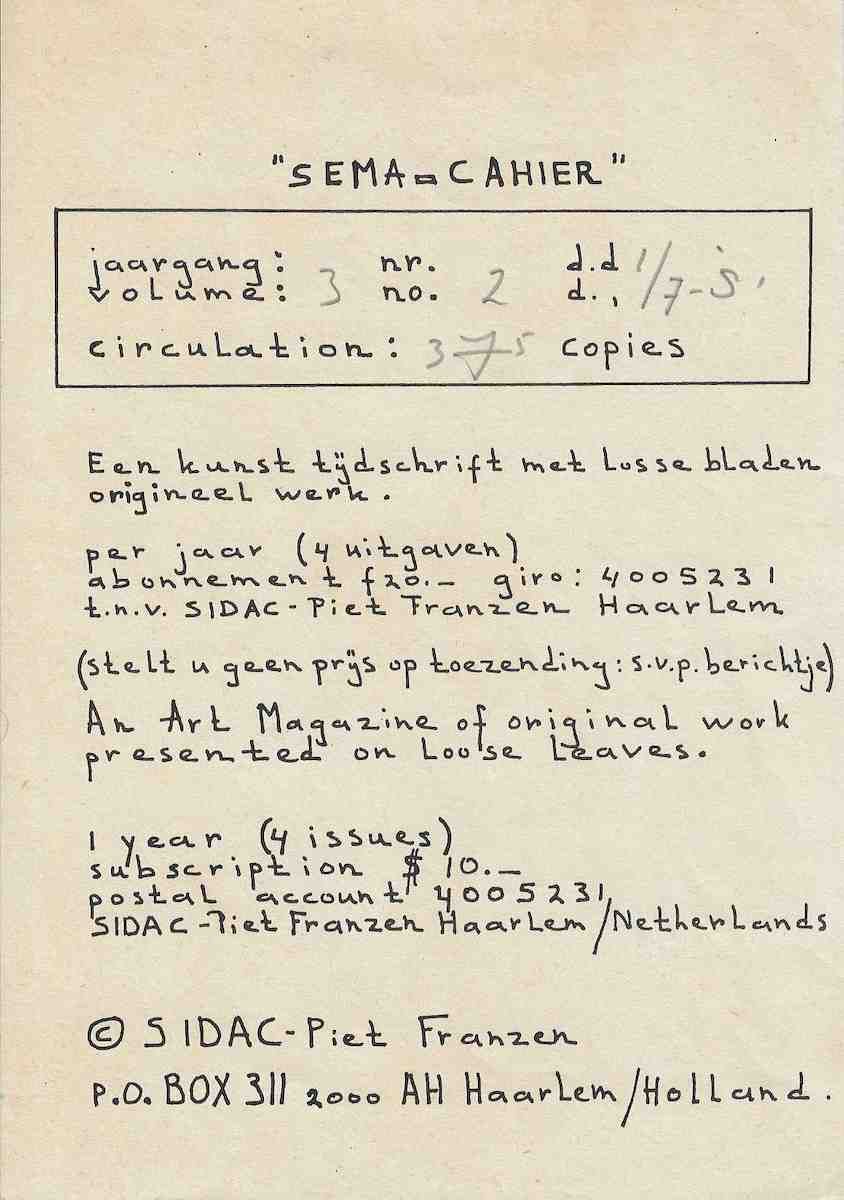
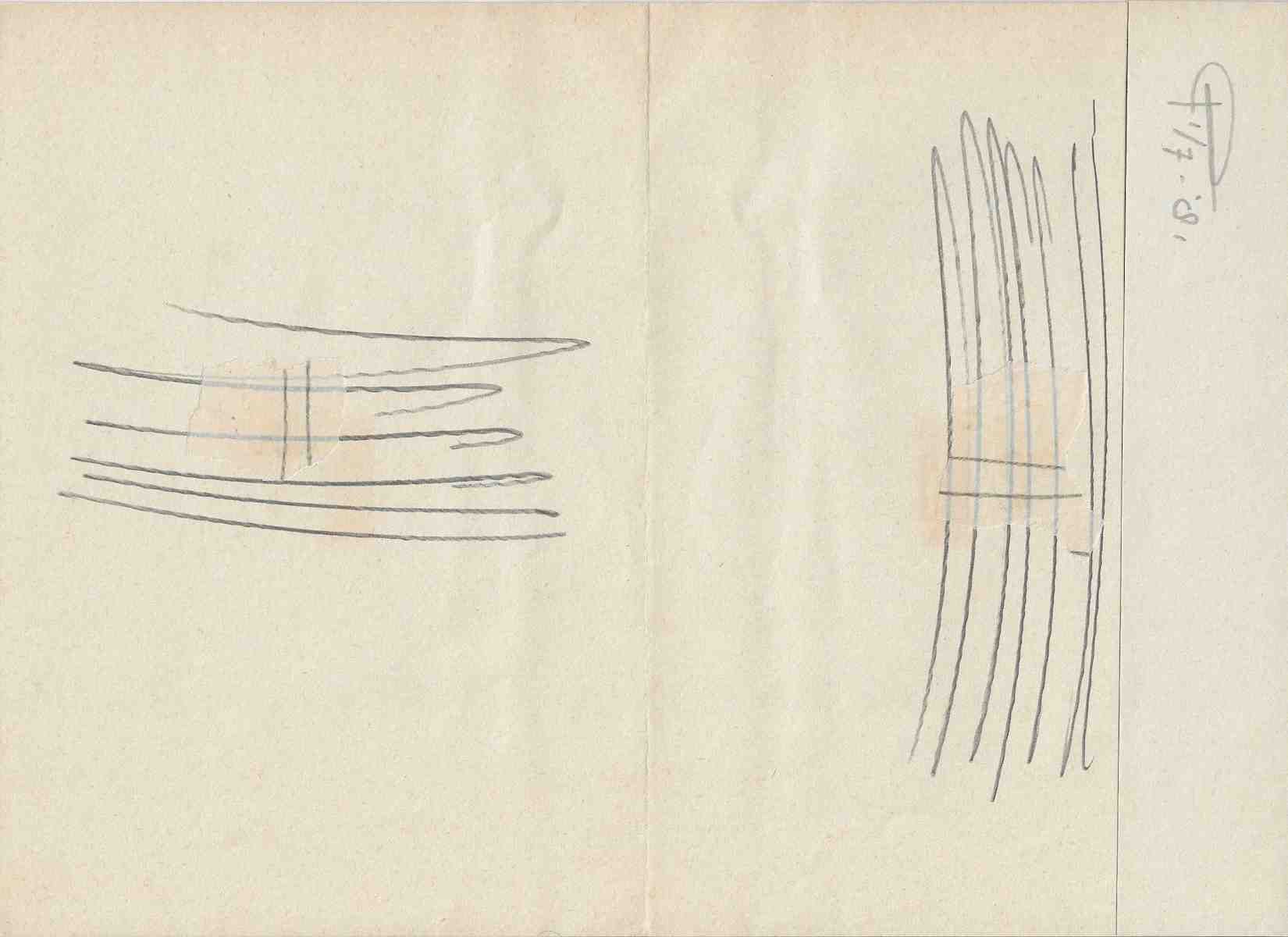
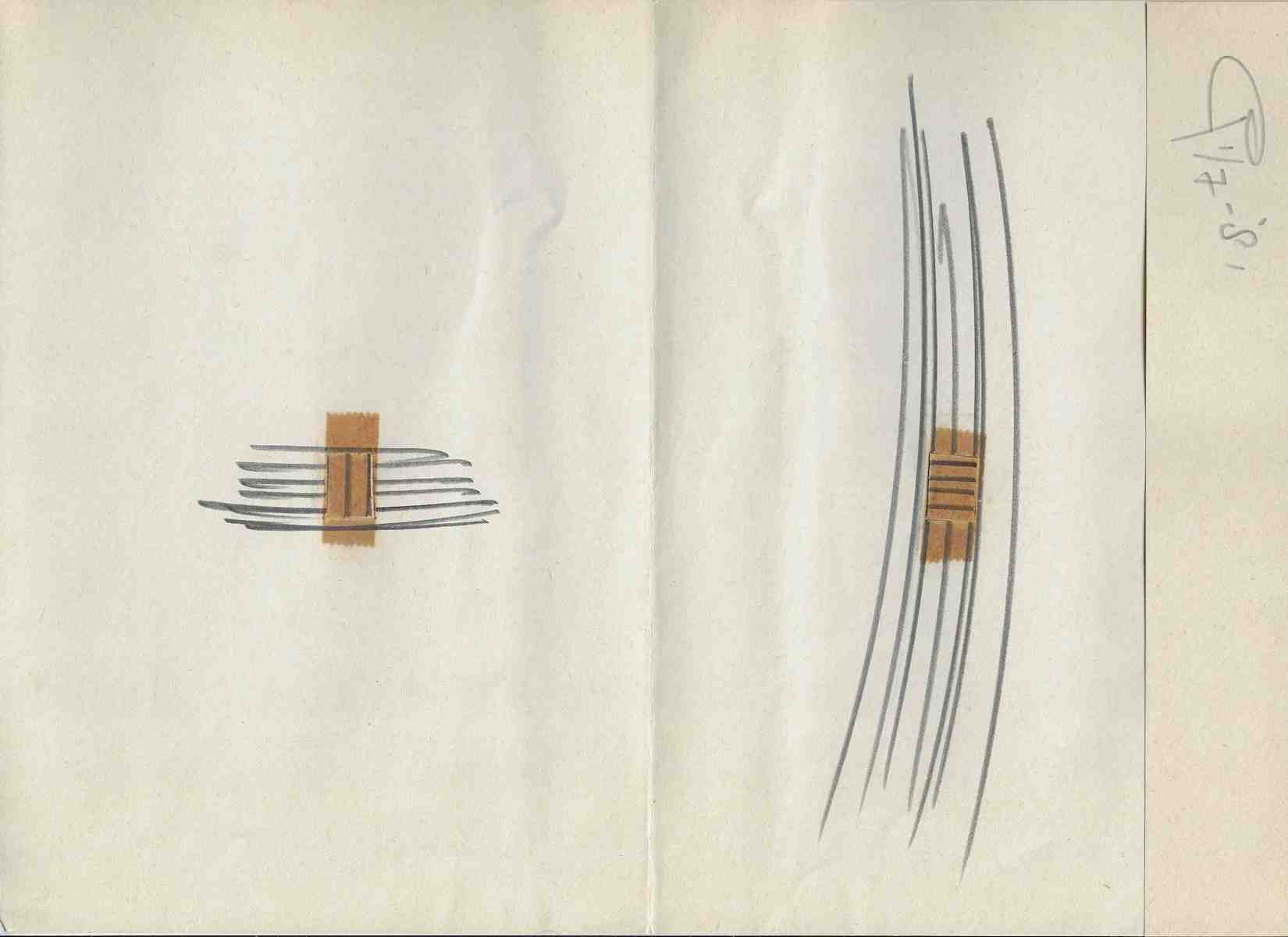
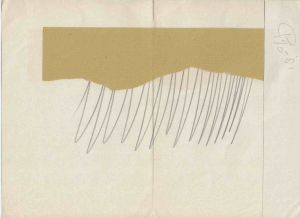
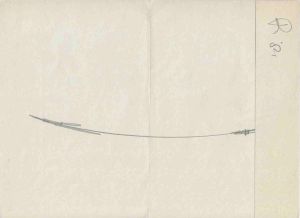
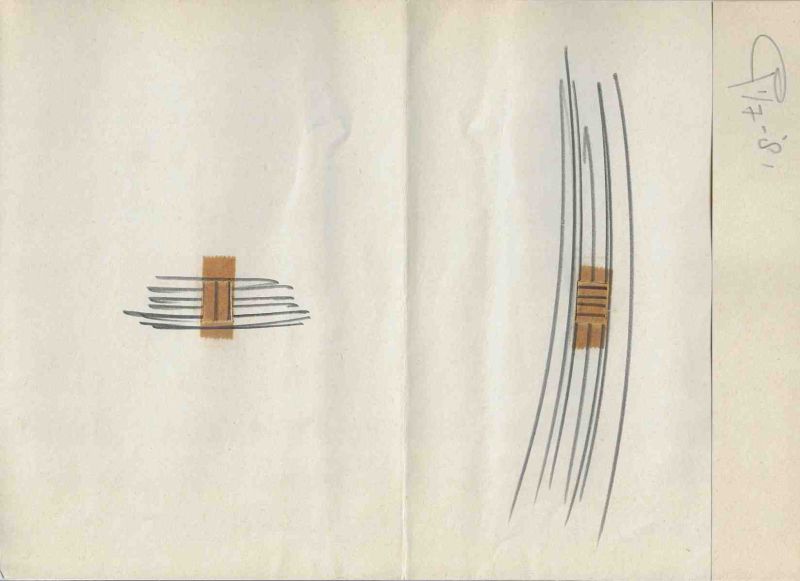
TEXTO SALSA EM PORTUGUÊSSema Cahier, volume 3, número 2, publicação de artista concebida e editada por Piet Franzen através do SIDAC, Haarlem, Países Baixos. A folha informativa que acompanha o conjunto permite estabelecer dados editoriais particularmente importantes para a catalogação. O documento registra volume 3, número 2, data de 1 de julho de 1981 e uma circulação cuja leitura mais provável é 375 cópias. A publicação é definida pelo próprio editor como uma revista de arte formada por trabalhos originais apresentados em folhas soltas, característica essencial para compreender a natureza das peças preservadas neste conjunto.O texto informativo em neerlandês explica que Sema Cahier era uma revista de arte com folhas soltas contendo trabalho original. A periodicidade indicada era de quatro edições por ano. A assinatura anual custava 20 florins neerlandeses e podia ser paga pela conta postal 4005231 em nome de SIDAC Piet Franzen, Haarlem. A versão inglesa presente na mesma folha informa igualmente que a publicação apresentava trabalhos originais sobre folhas soltas, oferecia quatro números por ano e estabelecia assinatura internacional de 10 dólares. O rodapé identifica diretamente SIDAC Piet Franzen e fornece o endereço postal P.O. Box 311, 2000 AH Haarlem, Holland.As duas composições reproduzidas apresentam uma investigação gráfica construída por séries de linhas paralelas executadas manualmente e por pequenas áreas retangulares de papel ou material translúcido aplicadas sobre a superfície. Em uma folha, linhas predominantemente horizontais formam estruturas alongadas e irregulares. Na composição complementar, linhas verticais e ligeiramente curvas produzem uma configuração estreita e ascendente. Pequenos retângulos transparentes ou amarronzados estabelecem pontos de concentração visual e atravessam os grupos de linhas, criando relações entre desenho, colagem, sobreposição, transparência, ritmo e estrutura.A complementaridade entre as duas folhas é reforçada pela transformação da mesma ideia gráfica através de orientações distintas. O conjunto explora horizontalidade e verticalidade, repetição e variação, concentração e expansão. A linha deixa de funcionar exclusivamente como desenho representativo e passa a atuar como unidade estrutural. Os elementos colados interrompem e reorganizam o fluxo linear, tornando visível o processo de construção da obra.Sema Cahier ocupou uma posição singular no circuito de publicações experimentais e Mail Art dos Países Baixos. Fontes de arquivo registram Piet Franzen e SIDAC em Haarlem desde o final da década de 1970 e descrevem Sema Cahier como um projeto de trabalhos em papel distribuídos em envelopes como pequenas revistas ou publicações de artista, desenvolvido aproximadamente entre 1978 e 1984. A biblioteca do Van Abbemuseum também registra Sema Cahier sob autoria de Piet Franzen, demonstrando a presença da publicação em coleções institucionais dedicadas à arte contemporânea e às publicações de artista.Este exemplar do volume 3, número 2, de 1 de julho de 1981 constitui documento relevante para o estudo de Piet Franzen, SIDAC, Sema Cahier, publicação de artista, livro de artista, Mail Art, arte postal, desenho experimental, colagem, técnicas mistas, poesia visual e redes internacionais de circulação artística das décadas de 1970 e 1980.TEXTO SALSA EM INGLÊSSema Cahier, volume 3, number 2, an artist publication conceived and edited by Piet Franzen through SIDAC in Haarlem, the Netherlands. The information sheet accompanying the group provides particularly important editorial data for cataloguing. It records volume 3, number 2, the date 1 July 1981 and a circulation most plausibly read as 375 copies. The publication is defined by the editor himself as an art magazine consisting of original works presented on loose leaves, an essential characteristic for understanding the nature of the pieces preserved in this group.The Dutch information text explains that Sema Cahier was an art magazine with loose leaves containing original work. Four issues were planned each year. The annual subscription cost 20 Dutch guilders and payment could be made through postal account 4005231 in the name of SIDAC Piet Franzen, Haarlem. The English version on the same sheet likewise states that the publication presented original work on loose leaves, offered four issues per year and established an international subscription price of 10 dollars. The lower section directly identifies SIDAC Piet Franzen and gives the postal address P.O. Box 311, 2000 AH Haarlem, Holland.The two reproduced compositions present a graphic investigation constructed through groups of parallel lines drawn by hand and small rectangular areas of paper or translucent material applied to the surface. One sheet is dominated by horizontal lines forming elongated and irregular structures. In the complementary composition, vertical and slightly curved lines create a narrow ascending configuration. Small transparent or brownish rectangular elements establish areas of visual concentration and cross the groups of lines, producing relationships between drawing, collage, superimposition, transparency, rhythm and structure.The complementary character of the two sheets is reinforced by the transformation of the same graphic idea through different orientations. The group explores horizontality and verticality, repetition and variation, concentration and expansion. The line no longer functions exclusively as representational drawing and instead becomes a structural unit. The attached elements interrupt and reorganize the linear flow, making the process of construction visible.Sema Cahier occupied a distinctive position within experimental publishing and Mail Art networks in the Netherlands. Archival sources document Piet Franzen and SIDAC in Haarlem from the late 1970s and describe Sema Cahier as a project involving paper works distributed in envelopes as small magazines or artist publications, developed approximately between 1978 and 1984. The Van Abbemuseum library also records Sema Cahier under the authorship of Piet Franzen, demonstrating the presence of the publication within institutional collections devoted to contemporary art and artist publications.This copy of volume 3, number 2, dated 1 July 1981, is an important document for the study of Piet Franzen, SIDAC, Sema Cahier, artist publications, artists books, Mail Art, postal art, experimental drawing, collage, mixed media, visual poetry and international artistic networks of the 1970s and 1980s.
TEXTO DE OBSERVAÇÃO EM PORTUGUÊSConjunto complementar pertencente a Sema Cahier, de Piet Franzen e SIDAC, Haarlem, Países Baixos. A folha editorial permite identificar o exemplar como volume 3, número 2, datado de 1 de julho de 1981. A leitura do campo de circulação nas imagens indica provavelmente 375 cópias. Esse número deve ser registrado como leitura provável enquanto não houver comparação com outro exemplar da mesma edição.A própria publicação fornece informações fundamentais sobre sua estrutura editorial. Sema Cahier é apresentada como revista de arte composta por trabalhos originais em folhas soltas. Eram previstas quatro edições por ano. A assinatura anual nos Países Baixos era de 20 florins e a versão em inglês apresenta assinatura de 10 dólares. Consta a conta postal 4005231 em nome de SIDAC Piet Franzen, Haarlem. O endereço editorial informado é P.O. Box 311, 2000 AH Haarlem, Holland.As obras examinadas consistem em folhas dobradas com desenhos lineares executados manualmente e pequenas aplicações retangulares sobre o papel. Uma composição utiliza principalmente linhas horizontais e a outra desenvolve linhas predominantemente verticais. Há sobreposições de pequenos retângulos translúcidos ou amarronzados que atravessam as linhas e funcionam como elementos de organização visual. As duas folhas devem ser catalogadas como trabalhos complementares pertencentes ao mesmo conjunto editorial e não como obras completamente independentes.A documentação histórica disponível identifica o artista como Piet Franzen. Portanto, Piet Franzen é a forma recomendada para o campo principal de autoria. Pier Franzen pode ser preservado apenas como variante de pesquisa caso apareça em registros anteriores do acervo. Fontes especializadas associam Franzen ao SIDAC, ao Sema Cahier e às redes de Mail Art de Haarlem.Termos recomendados para indexação incluem Piet Franzen, Pier Franzen, SIDAC, SIDAC Studio, Haarlem, Netherlands, Países Baixos, Sema Cahier, volume 3, número 2, 1 de julho de 1981, 1981, Mail Art, arte postal, artist publication, publicação de artista, artists book, livro de artista, loose leaves, folhas soltas, original art, arte original, experimental drawing, desenho experimental, collage, colagem, mixed media, técnicas mistas, visual poetry, poesia visual, conceptual art, arte conceitual e international Mail Art network.TEXTO DE OBSERVAÇÃO EM INGLÊSComplementary group belonging to Sema Cahier by Piet Franzen and SIDAC, Haarlem, the Netherlands. The editorial sheet identifies the copy as volume 3, number 2, dated 1 July 1981. The circulation field visible in the image most plausibly reads 375 copies. This figure should be catalogued as a probable reading until comparison with another copy of the same issue becomes possible.The publication itself provides essential information about its editorial structure. Sema Cahier is presented as an art magazine consisting of original works on loose leaves. Four issues were planned annually. The annual subscription in the Netherlands was 20 Dutch guilders, while the English text gives a subscription price of 10 dollars. Postal account 4005231 is listed in the name of SIDAC Piet Franzen, Haarlem. The editorial address is given as P.O. Box 311, 2000 AH Haarlem, Holland.The examined works consist of folded sheets containing manually executed linear drawings and small rectangular applications attached to the paper. One composition is primarily structured through horizontal lines while the other develops predominantly vertical lines. Small translucent or brownish rectangles overlap and cross these lines, functioning as elements of visual organization. The two sheets should be catalogued as complementary works belonging to the same editorial group rather than as completely independent works.Available historical documentation identifies the artist as Piet Franzen. Piet Franzen is therefore the recommended form for the primary authorship field. Pier Franzen may be retained only as a search variant if it occurs in earlier collection records. Specialist sources associate Franzen with SIDAC, Sema Cahier and the Mail Art networks of Haarlem.Recommended indexing terms include Piet Franzen, Pier Franzen, SIDAC, SIDAC Studio, Haarlem, Netherlands, Sema Cahier, volume 3, number 2, 1 July 1981, 1981, Mail Art, postal art, artist publication, artists book, loose leaves, original art, experimental drawing, collage, mixed media, visual poetry, conceptual art and international Mail Art network.
Proveniência
Coleção Poema ProcessoInglês
Sema Cahier, volume 3, number 2, an artist publication conceived and edited by Piet Franzen through SIDAC in Haarlem, the Netherlands.
Dimensions: 11,7 x 8,5 in