Home
Artistas
CAYC (Centro de Arte y Comunicacion de Buenos Aires
CAYC (Centro de Arte y Comunicacion de Buenos Aires
Local de nascimento: Buenos Aires, Argentina
Data de nascimento: 1968
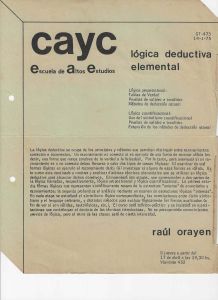
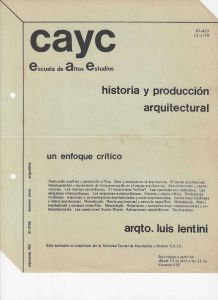
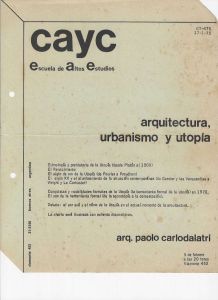
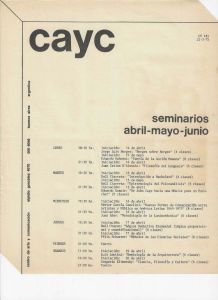
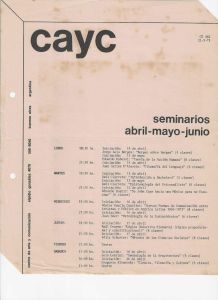
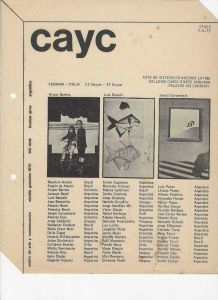
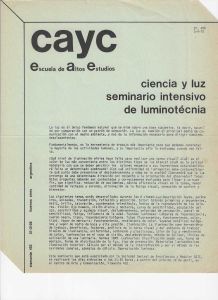
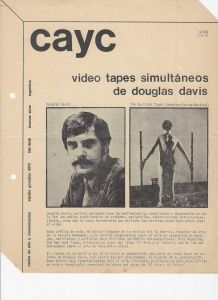
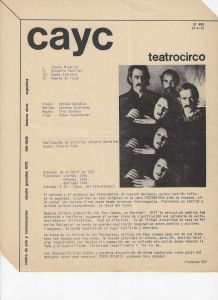
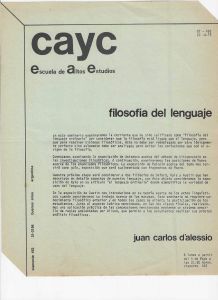
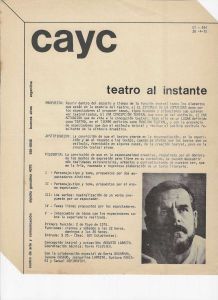
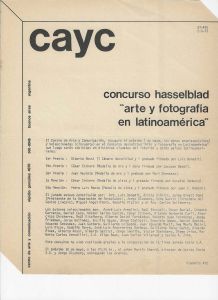
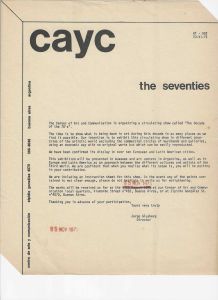
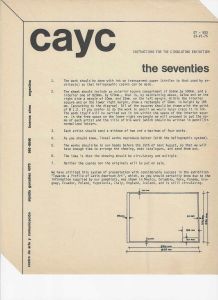
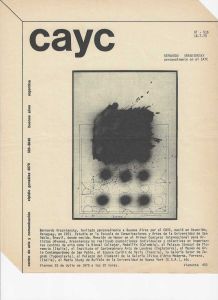
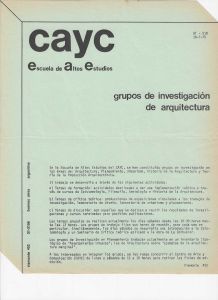
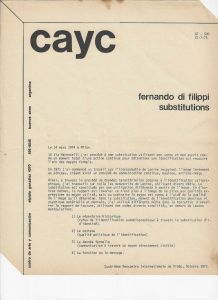
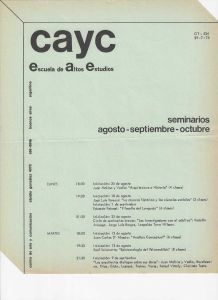
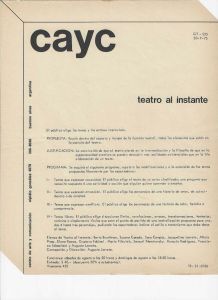
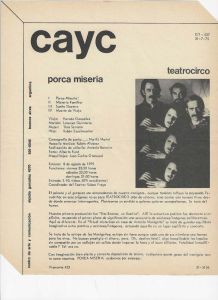
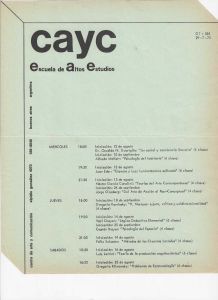
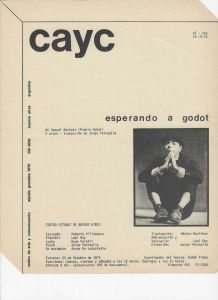
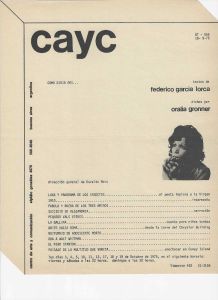
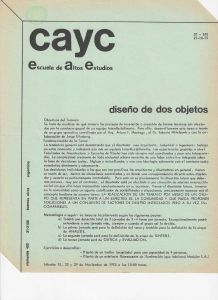
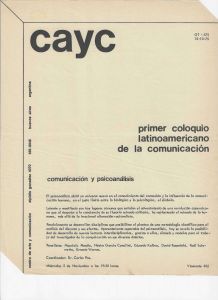
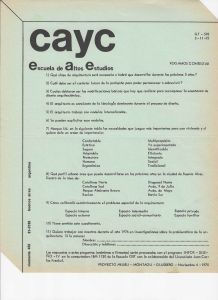
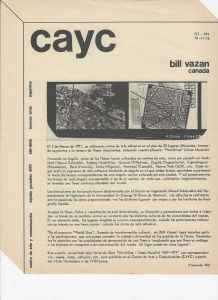
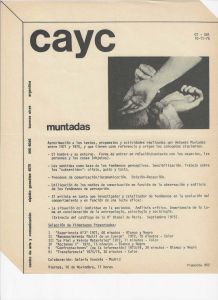
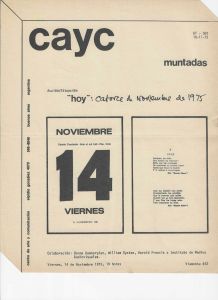
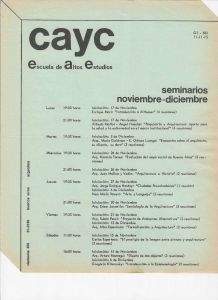
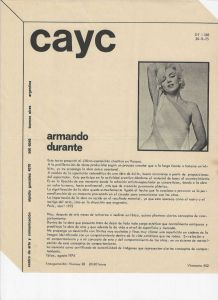
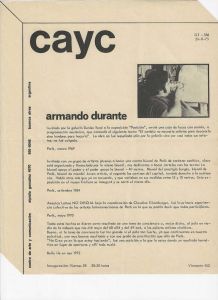
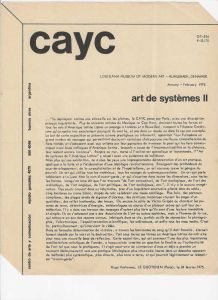
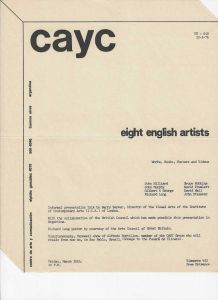
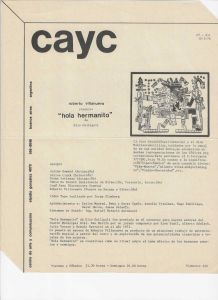
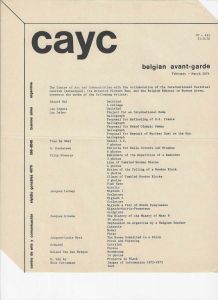
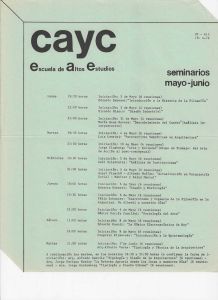
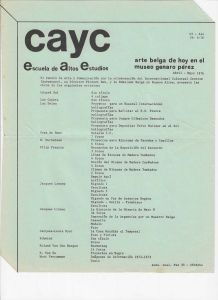
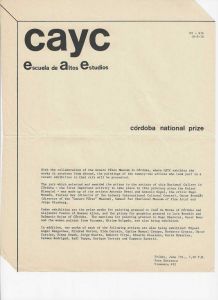
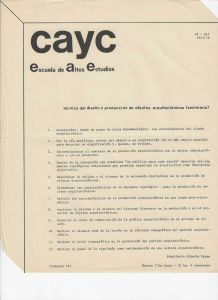
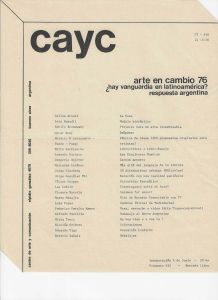
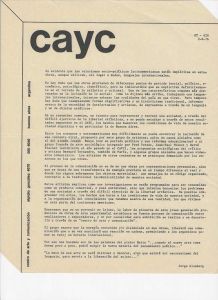
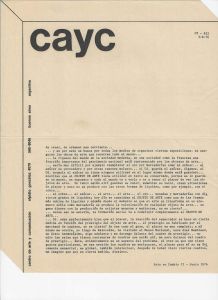
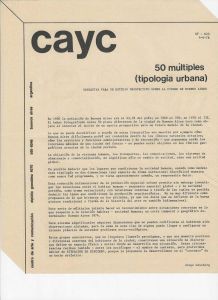
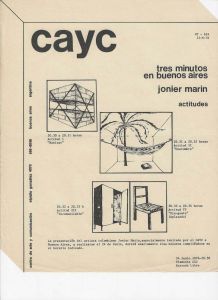
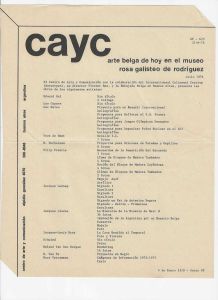
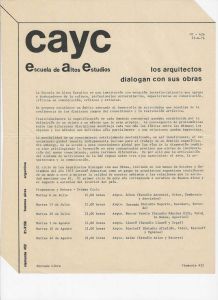
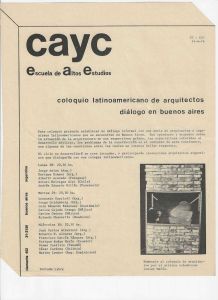
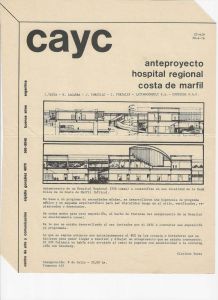
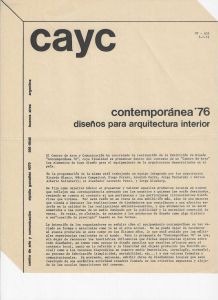
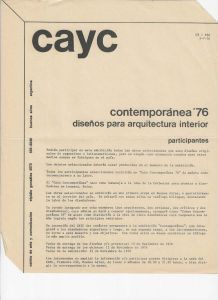
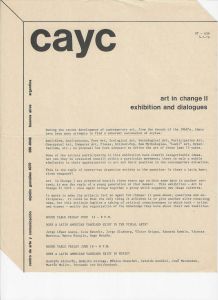
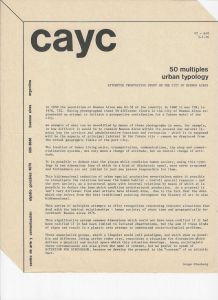
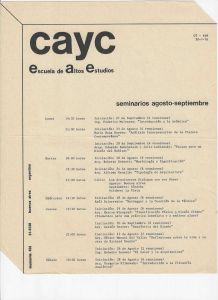
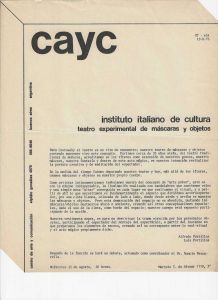
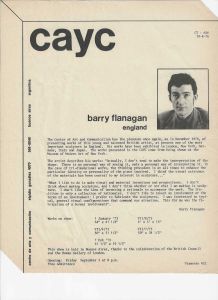
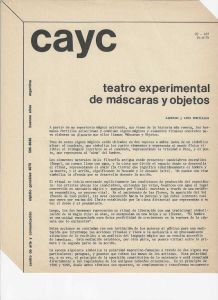
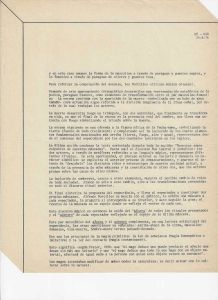
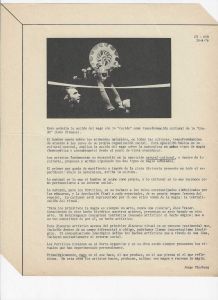
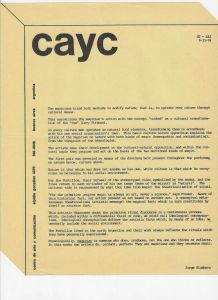
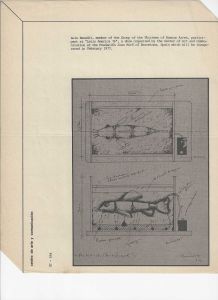
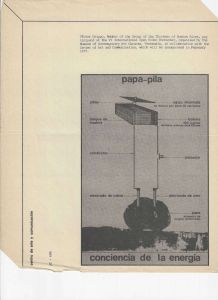
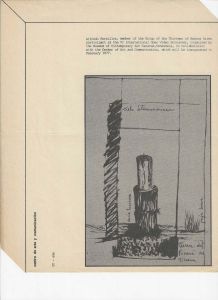
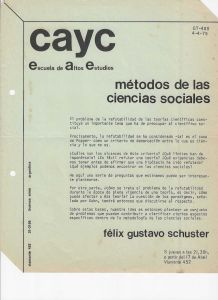
CAYC ? Centro de Arte y Comunicación foi uma das mais importantes instituições dedicadas à arte experimental, arte conceitual, arte de sistemas, poesia visual e práticas interdisciplinares da América Latina durante a segunda metade do século XX. Fundado em Buenos Aires, Argentina, em 1968 pelo crítico, teórico, curador e empresário cultural Jorge Glusberg (1932?2012), o CAYC tornou-se um dos principais polos internacionais de produção, documentação, intercâmbio e difusão da arte contemporânea latino americana. Sua atuação exerceu influência decisiva sobre artistas, críticos e instituições em diversos continentes, consolidando Buenos Aires como um dos centros globais da arte experimental entre as décadas de 1960 e 1980.Criado em um contexto de profundas transformações políticas, tecnológicas e culturais, o Centro de Arte y Comunicación surgiu com o objetivo de promover o diálogo entre arte, ciência, tecnologia, arquitetura, design, comunicação e sociedade. Diferentemente das instituições tradicionais, o CAYC funcionava simultaneamente como centro de pesquisa, espaço expositivo, laboratório interdisciplinar, editora, arquivo documental e plataforma internacional de intercâmbio artístico.Sob a direção de Jorge Glusberg, o CAYC desenvolveu uma intensa programação de exposições, seminários, conferências, publicações e projetos experimentais. Tornou-se especialmente conhecido pela formulação da chamada Arte de Sistemas, conceito desenvolvido por Glusberg para descrever práticas artísticas baseadas em estruturas, processos, informação, comunicação e relações sistêmicas. A Arte de Sistemas estabeleceu conexões entre arte conceitual, cibernética, ecologia, urbanismo, linguística, semiótica e teoria da informação, tornando-se uma das contribuições mais influentes da América Latina para o pensamento artístico internacional.Entre os principais projetos do CAYC destaca-se o Grupo de los Trece, criado em 1971. O grupo reuniu artistas como Jacques Bedel, Luis Benedit, Gregorio Dujovny, Carlos Ginzburg, Jorge González Mir, Víctor Grippo, Vicente Marotta, Alfredo Portillos, Julio Teich, Clorindo Testa, Horacio Zabala, Jorge Glusberg e outros colaboradores. Em 1975 o grupo passou a denominar-se Grupo CAYC, tornando-se uma das formações mais influentes da arte conceitual latino americana.O CAYC organizou centenas de exposições nacionais e internacionais, incluindo mostras de arte conceitual, poesia visual, arte postal, arte ecológica, arquitetura experimental, arte e tecnologia, fotografia, vídeo, performance e novas linguagens. Destacam-se as séries de exposições identificadas pela sigla GT, que documentam a produção do Grupo de los Trece e do Grupo CAYC. Essas exposições circularam por museus, universidades e centros culturais da América Latina, Europa, Estados Unidos e Ásia.Durante as décadas de 1970 e 1980, o CAYC estabeleceu uma extensa rede internacional de colaboração envolvendo artistas como Joseph Beuys, Nam June Paik, Wolf Vostell, Edgardo Antonio Vigo, Clemente Padín, Paulo Bruscky, Horacio Zabala, Víctor Grippo, Luis Benedit, Ulises Carrión, Guillermo Deisler, Jean François Bory e numerosos representantes da arte experimental mundial.O centro publicou centenas de catálogos, livros, dossiês, convites, documentos teóricos e boletins especializados. Seu arquivo tornou-se uma das mais importantes fontes documentais para o estudo da arte conceitual latino americana, da poesia visual, da arte correio e das práticas experimentais desenvolvidas entre as décadas de 1960 e 1990.Entre os artistas brasileiros que participaram de exposições e projetos relacionados ao CAYC encontram-se Wlademir Dias-Pino, Álvaro de Sá, Neide Dias de Sá, Moacy Cirne, Paulo Bruscky, Falves Silva, Regina Vater, Anna Bella Geiger, Hudinilson Jr., Artur Barrio e diversos integrantes das redes de poesia visual e arte correio.Atualmente o CAYC é reconhecido como uma das instituições mais importantes da história da arte contemporânea latino americana. Sua atuação foi fundamental para a internacionalização da produção artística da região e para a consolidação da arte conceitual, da arte de sistemas, da poesia visual e da comunicação experimental em escala global.Dados institucionaisNome: Centro de Arte y ComunicaciónSigla: CAYCFundação: 1968Cidade: Buenos Aires, ArgentinaFundador: Jorge GlusbergÁreas de atuação: Arte Conceitual, Arte de Sistemas, Poesia Visual, Arte Correio, Arte Experimental, Arte e Tecnologia, Arquitetura Experimental, Performance, Comunicação Visual, Publicações de Artista e Pesquisa Interdisciplinar.
English
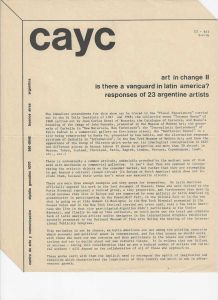
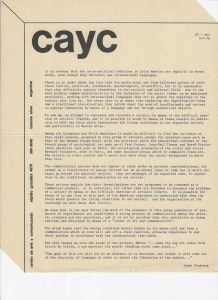
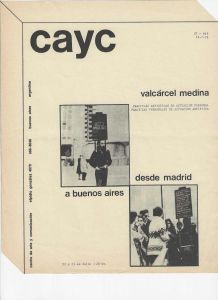
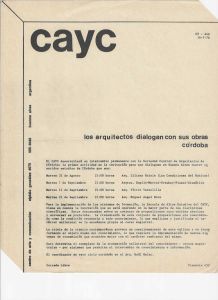
CAYC ? Centro de Arte y Comunicación was one of the most influential institutions dedicated to experimental art, conceptual art, systems art, visual poetry and interdisciplinary practices in Latin America during the second half of the twentieth century. Founded in Buenos Aires, Argentina, in 1968 by critic, curator, theorist and cultural entrepreneur Jorge Glusberg (1932?2012), CAYC became one of the leading international centers for the production, documentation, exchange and dissemination of contemporary Latin American art. Its activities played a decisive role in establishing Buenos Aires as a major global center of experimental art between the 1960s and the 1980s.Created during a period of profound political, technological and cultural transformation, the Centro de Arte y Comunicación sought to foster dialogue between art, science, technology, architecture, design, communication and society. Unlike traditional institutions, CAYC functioned simultaneously as a research center, exhibition space, interdisciplinary laboratory, publishing platform, documentary archive and international network for artistic exchange.Under the direction of Jorge Glusberg, CAYC developed an extensive program of exhibitions, conferences, seminars, publications and experimental projects. The institution became particularly known for the formulation of Systems Art, a concept developed by Glusberg to describe artistic practices based on structures, processes, information, communication and systemic relationships. Systems Art established connections between conceptual art, cybernetics, ecology, urbanism, linguistics, semiotics and information theory, becoming one of Latin America's most influential contributions to international contemporary art discourse.Among the most significant initiatives associated with CAYC was the Group of Thirteen, founded in 1971. The group brought together artists including Jacques Bedel, Luis Benedit, Gregorio Dujovny, Carlos Ginzburg, Jorge González Mir, Víctor Grippo, Vicente Marotta, Alfredo Portillos, Julio Teich, Clorindo Testa, Horacio Zabala, Jorge Glusberg and others. In 1975 the collective became known as the CAYC Group, one of the most influential formations in Latin American conceptual art.CAYC organized hundreds of national and international exhibitions devoted to conceptual art, visual poetry, mail art, ecological art, experimental architecture, art and technology, photography, video, performance and emerging artistic languages. Particularly important were the exhibitions identified by the acronym GT, documenting the activities of the Group of Thirteen and later the CAYC Group. These exhibitions circulated internationally through museums, universities and cultural institutions across Latin America, Europe, North America and Asia.Throughout the 1970s and 1980s, CAYC established an extensive international network involving artists such as Joseph Beuys, Nam June Paik, Wolf Vostell, Edgardo Antonio Vigo, Clemente Padín, Paulo Bruscky, Horacio Zabala, Víctor Grippo, Luis Benedit, Ulises Carrión, Guillermo Deisler, Jean François Bory and numerous representatives of international experimental art.The institution published hundreds of catalogues, books, theoretical dossiers, invitations and specialized bulletins. Its archive remains one of the most important documentary resources for the study of Latin American conceptual art, visual poetry, mail art and experimental artistic practices developed between the 1960s and the 1990s.Among the Brazilian artists who participated in exhibitions and projects associated with CAYC were Wlademir Dias-Pino, Álvaro de Sá, Neide Dias de Sá, Moacy Cirne, Paulo Bruscky, Falves Silva, Regina Vater, Anna Bella Geiger, Hudinilson Jr., Artur Barrio and numerous artists linked to visual poetry and correspondence art networks.Today CAYC is recognized as one of the most important institutions in the history of Latin American contemporary art. Its activities were fundamental to the internationalization of artistic production in the region and to the global consolidation of conceptual art, systems art, visual poetry and experimental communication.Institutional DataName: Centro de Arte y ComunicaciónAcronym: CAYCFounded: 1968Location: Buenos Aires, ArgentinaFounder: Jorge GlusbergFields: Conceptual Art, Systems Art, Visual Poetry, Mail Art, Experimental Art, Art and Technology, Experimental Architecture, Performance, Visual Communication, Artist Publications and Interdisciplinary Research.
Currículo
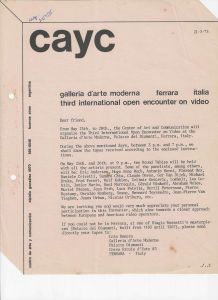
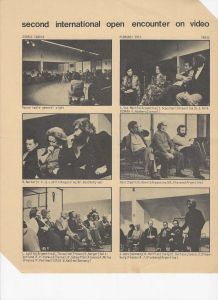
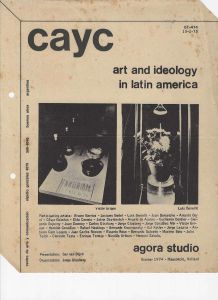
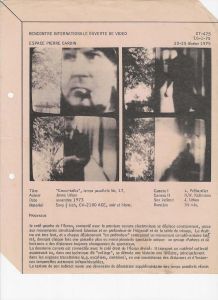
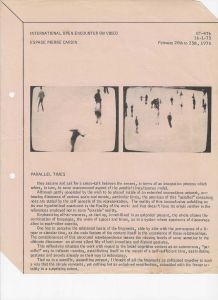
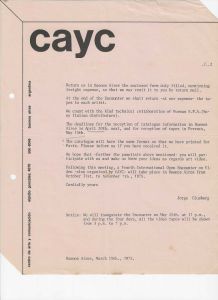
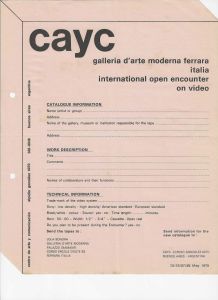
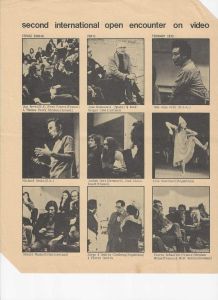
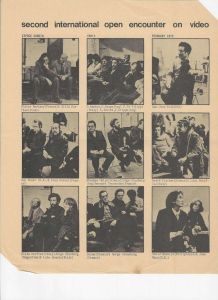
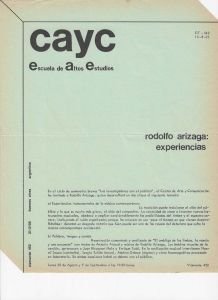
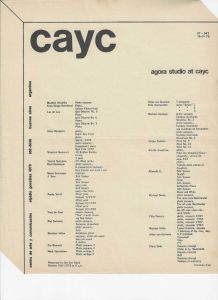
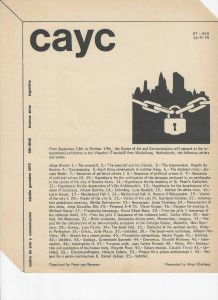
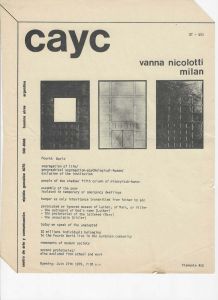
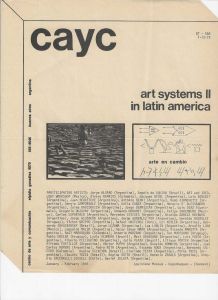
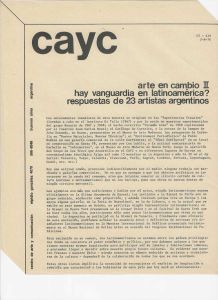
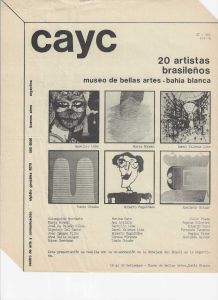
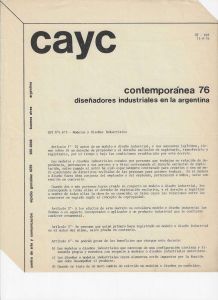
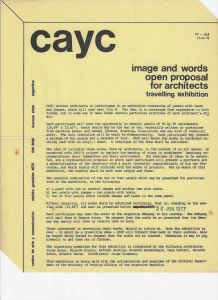
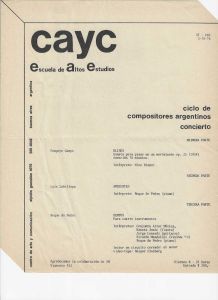
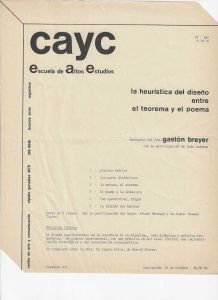
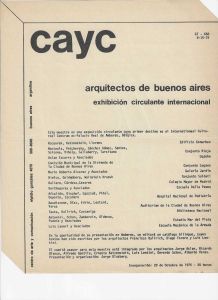
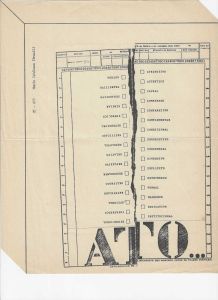
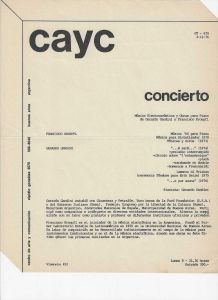
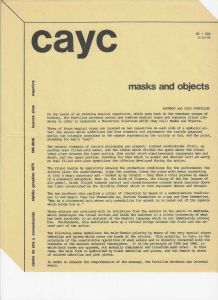
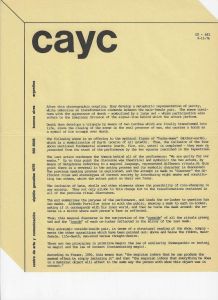
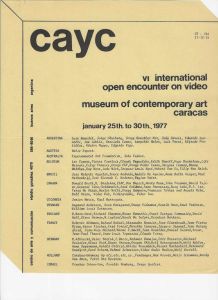
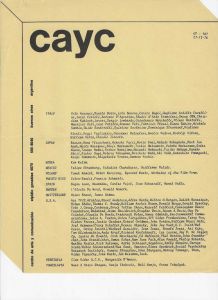
CURRÍCULO RAISONNÉ INSTITUCIONAL DO CAYC EM PORTUGUÊSCAYC Centro de Arte y ComunicaciónBuenos Aires, Argentina, fundado em 1968 por Jorge GlusbergInstituição, centro de pesquisa, espaço expositivo, laboratório interdisciplinar, editora, arquivo e plataforma internacional de intercâmbio artístico dedicada à arte conceitual, arte de sistemas, arte e tecnologia, poesia visual, arte correio, vídeo, arquitetura experimental, comunicação visual e práticas interdisciplinares.DIREÇÃO E FUNDAÇÃO1968Fundação do Centro de Arte y Comunicación em Buenos Aires por Jorge Glusberg.1969 em dianteConsolidação do CAYC como uma das principais plataformas latino americanas de experimentação entre arte, ciência, tecnologia, comunicação e sociedade.PRINCIPAIS LINHAS DE ATUAÇÃOArte de SistemasArte Conceitual Latino AmericanaGrupo de los TreceGrupo CAYCArte e TecnologiaArte e CibernéticaArte CorreioPoesia VisualVídeo ArteFotografia ExperimentalPerformanceArquitetura ExperimentalEcologia e Meio AmbientePublicações de ArtistaCatálogos e boletins GTSeminários InternacionaisRedes de intercâmbio entre América Latina, Europa, Estados Unidos e ÁsiaGRUPO DE LOS TRECE E GRUPO CAYC1971Formação do Grupo de los Trece, núcleo artístico ligado ao CAYC.Integrantes e colaboradores históricos incluem Jorge Glusberg, Luis Fernando Benedit, Víctor Grippo, Jacques Bedel, Horacio Zabala, Carlos Ginzburg, Alfredo Portillos, Clorindo Testa, Gregorio Dujovny, Jorge González Mir, Vicente Marotta, Julio Teich e outros artistas associados.1975O Grupo de los Trece passa a ser identificado como Grupo CAYC, ampliando sua circulação internacional e consolidando a estratégia da Arte de Sistemas.EXPOSIÇÕES E PROGRAMAS HISTÓRICOS1969Argentina IntermediosExposição associada às primeiras experiências do CAYC com arte, tecnologia, comunicação e meios audiovisuais.1971Joseph Kosuth. Art as IdeaCAYC, Buenos Aires.1971Arte de SistemasMuseo de Arte Moderno de Buenos Aires.Exposição fundamental para a formulação da Arte de Sistemas como conceito curatorial e teórico de Jorge Glusberg.1972Hacia un Perfil del Arte LatinoamericanoApresentada inicialmente no contexto da III Bienal de Arte Coltejer, Medellín, Colômbia.Exposição itinerante fundamental para a internacionalização da arte conceitual latino americana e da estratégia expositiva do CAYC com obras em suporte heliográfico.1972El Grupo de los Trece en Arte de SistemasCAYC, Buenos Aires.Catálogo exposição e publicação de artista vinculada ao núcleo fundador do Grupo de los Trece.1973CAYC Arte en CambioExposição do Grupo de los Trece no CAYC, Buenos Aires.Mostra central para a consolidação pública do grupo e de sua linguagem experimental.1974Art Systems in Latin AmericaInternational Cultural Centre, Antuérpia.Projeto organizado por Jorge Glusberg em colaboração com Florent Bex, com circulação de artistas latino americanos na Europa.1974Prospectiva 74Museu de Arte Contemporânea da Universidade de São Paulo.Participação do Grupo de los Trece e intensificação do intercâmbio entre CAYC e MAC USP.1974Arte en Cambio IICAYC, Buenos Aires.Exposição do Grupo de los Trece com texto introdutório de Jorge Glusberg.19754th International Open Encounter on VideoPrograma internacional ligado à vídeo arte, arte e comunicação.1975Art Systems in Latin AmericaCirculação internacional por instituições europeias, incluindo Bélgica e Itália.1976Papel e LápisMAC USP, São Paulo.Exposição ligada ao intercâmbio entre CAYC e MAC USP.1976Década de 70MAC USP, São Paulo.Exposição organizada por Jorge Glusberg, com presença do Grupo de los Trece e articulação direta entre a cena experimental argentina e brasileira.197620 Artistas BrasileñosCAYC, Buenos Aires.Exposição dedicada à produção brasileira contemporânea e experimental.1976Fifth International Open Encounter on VideoICC, Antuérpia.Organizado por Florent Bex e Jorge Glusberg.1977Poéticas VisuaisMAC USP, São Paulo.Mostra vinculada ao diálogo entre arte conceitual, poesia visual, novos meios e práticas experimentais.1977Regina Vater BrasilCAYC, Buenos Aires.Exposição individual da artista brasileira Regina Vater, copatrocinada pelo setor cultural da Embaixada do Brasil na Argentina.1970sArte e IdeologiaProjeto expositivo e teórico associado ao debate entre arte, política e sistemas de comunicação.1970sArte e EcologiaPrograma dedicado à relação entre arte, natureza, meio ambiente e sistemas sociais.1970sArte e ComunicaçãoExposições e publicações sobre linguagem, informação, meios de comunicação e circulação artística.1970sArte e SociedadeProjetos voltados à relação entre produção artística, espaço público, política e crítica institucional.SÉRIE GTA série GT constitui o principal corpo documental do CAYC. Os boletins, catálogos e convites GT registram exposições, textos teóricos, programas, intercâmbios, projetos internacionais e atividades do Grupo de los Trece e do Grupo CAYC.Núcleo identificado no acervoGT 197553 exposições e documentos identificadosGT 197655 exposições e documentos identificadosGT 197738 exposições e documentos identificadosGT 197823 exposições e documentos identificadosTotal parcial identificado169 registros GTObservaçãoA numeração GT ultrapassa várias centenas de documentos. Para o cadastro raisonné definitivo no Salsa, cada GT deve ser registrado individualmente com número, ano, título, local, cidade, país, artistas participantes, técnica documental, tipo de publicação e relação com o programa geral do CAYC.BIENAIS E CIRCULAÇÃO INTERNACIONALIII Bienal de Arte Coltejer, Medellín, 1972Bienal de São PauloBienal de ParisBienal de VenezaBienal de MedellínBienal de HavanaBienal de TóquioBienal de CórdobaBienal de CuencaDocumenta e programas internacionais de arte conceitualExposições itinerantes em museus, universidades e centros culturais da América Latina, Europa, Estados Unidos e ÁsiaARTISTAS ASSOCIADOS AO CAYCJorge GlusbergLuis Fernando BeneditVíctor GrippoJacques BedelHoracio ZabalaCarlos GinzburgAlfredo PortillosClorindo TestaGregorio DujovnyJorge González MirVicente MarottaJulio TeichEdgardo Antonio VigoClemente PadínJoseph BeuysNam June PaikWolf VostellUlises CarriónGuillermo DeislerJean François BoryPaulo BrusckyWlademir Dias PinoÁlvaro de SáNeide Dias de SáMoacy CirneFalves SilvaArtur BarrioAnna Bella GeigerRegina VaterHudinilson Jr.PUBLICAÇÕESCatálogos GTBoletins GTCuadernos del CAYCDossiês CAYCInformes CAYCCatálogos de Arte de SistemasPublicações do Grupo de los TrecePublicações do Grupo CAYCTextos teóricos de Jorge GlusbergConvites e folhetos expositivosPublicações sobre arte e tecnologiaPublicações sobre vídeo artePublicações sobre arte correioPublicações sobre poesia visualPublicações sobre arte conceitual latino americanaARQUIVOS E COLEÇÕESMuseo Nacional de Bellas Artes, Buenos AiresMuseo de Arte Moderno de Buenos AiresMuseo Reina Sofía, MadridGetty Research InstituteMoMA ArchivesMAC USP, São PauloVictoria and Albert Museum, LondresMFAH ICAA, HoustonArquivos universitários e coleções privadas dedicadas à arte conceitual latino americanaIMPORTÂNCIA HISTÓRICAO CAYC foi uma das instituições mais decisivas para a internacionalização da arte conceitual latino americana. Sua atuação conectou artistas, críticos, museus, universidades e centros culturais em diferentes continentes. Através da Arte de Sistemas, do Grupo de los Trece, do Grupo CAYC, da série GT, das exposições itinerantes e das publicações experimentais, o centro criou um modelo próprio de circulação artística baseado em informação, documentação, reprodutibilidade, interdisciplinaridade e redes internacionais.O currículo raisonné do CAYC deve ser compreendido como uma estrutura aberta e progressiva, pois a documentação da instituição está dispersa em catálogos, boletins GT, arquivos de museus, correspondências, publicações independentes e acervos particulares.
English
INSTITUTIONAL RAISONNÉ CURRICULUM OF CAYCCAYC Center for Art and CommunicationBuenos Aires, Argentina, founded in 1968 by Jorge Glusberg.Institution, research center, exhibition space, interdisciplinary laboratory, publishing platform, archive and international network dedicated to conceptual art, systems art, visual poetry, mail art, video art, experimental architecture, visual communication and interdisciplinary practices.FOUNDATION AND DIRECTION1968Foundation of the Center for Art and Communication in Buenos Aires by Jorge Glusberg.1969 onwardsConsolidation of CAYC as one of the leading Latin American platforms for experimentation between art, science, technology, communication and society.MAIN FIELDS OF ACTIVITYSystems ArtLatin American Conceptual ArtGroup of ThirteenCAYC GroupArt and TechnologyArt and CyberneticsMail ArtVisual PoetryVideo ArtExperimental PhotographyPerformance ArtExperimental ArchitectureEcology and EnvironmentArtist PublicationsGT Catalogues and BulletinsInternational SeminarsInternational Exchange Networks across Latin America, Europe, the United States and AsiaGROUP OF THIRTEEN AND CAYC GROUP1971Formation of the Group of Thirteen, the artistic nucleus associated with CAYC.Historical members and collaborators included Jorge Glusberg, Luis Fernando Benedit, Víctor Grippo, Jacques Bedel, Horacio Zabala, Carlos Ginzburg, Alfredo Portillos, Clorindo Testa, Gregorio Dujovny, Jorge González Mir, Vicente Marotta, Julio Teich and other associated artists.1975The Group of Thirteen became known as the CAYC Group, expanding its international circulation and consolidating the Systems Art strategy.HISTORICAL EXHIBITIONS AND PROGRAMS1969Argentina IntermediosExhibition associated with the earliest CAYC experiments involving art, technology, communication and audiovisual media.1971Joseph Kosuth Art as IdeaCAYC, Buenos Aires.1971Systems ArtMuseum of Modern Art of Buenos Aires.Foundational exhibition for the development of Systems Art as a curatorial and theoretical concept formulated by Jorge Glusberg.1972Toward a Profile of Latin American ArtInitially presented within the framework of the Third Coltejer Art Biennial, Medellín, Colombia.A landmark exhibition for the internationalization of Latin American conceptual art and for the development of CAYC exhibition strategies using heliographic works.1972The Group of Thirteen in Systems ArtCAYC, Buenos Aires.Exhibition and publication documenting the founding activities of the Group of Thirteen.1973CAYC Art in ChangeGroup of Thirteen exhibition at CAYC, Buenos Aires.A key exhibition in the public consolidation of the group and its experimental language.1974Art Systems in Latin AmericaInternational Cultural Centre, Antwerp.Project organized by Jorge Glusberg in collaboration with Florent Bex, presenting Latin American artists in Europe.1974Prospectiva 74Museum of Contemporary Art of the University of São Paulo.Participation of the Group of Thirteen and expansion of exchanges between CAYC and MAC USP.1974Art in Change IICAYC, Buenos Aires.Group of Thirteen exhibition with introductory text by Jorge Glusberg.1975Fourth International Open Encounter on VideoInternational program dedicated to video art, communication and emerging technologies.1975Art Systems in Latin AmericaInternational circulation through European institutions, including Belgium and Italy.1976Paper and PencilMAC USP, São Paulo.Exhibition connected to exchanges between CAYC and MAC USP.1976The SeventiesMAC USP, São Paulo.Exhibition organized by Jorge Glusberg featuring the Group of Thirteen and strengthening connections between Argentine and Brazilian experimental art.1976Twenty Brazilian ArtistsCAYC, Buenos Aires.Exhibition dedicated to contemporary and experimental Brazilian art.1976Fifth International Open Encounter on VideoICC, Antwerp.Organized by Florent Bex and Jorge Glusberg.1977Visual PoeticsMAC USP, São Paulo.Exhibition connecting conceptual art, visual poetry, new media and experimental practices.1977Regina Vater BrazilCAYC, Buenos Aires.Solo exhibition by Brazilian artist Regina Vater, supported by the Cultural Section of the Brazilian Embassy in Argentina.1970sArt and IdeologyExhibition and research program dedicated to the relationship between art, politics and communication systems.1970sArt and EcologyProgram focused on the relationship between art, nature, environment and social systems.1970sArt and CommunicationExhibitions and publications devoted to language, information, media and artistic circulation.1970sArt and SocietyProjects examining artistic production, public space, politics and institutional critique.GT SERIESThe GT Series constitutes the principal documentary body of CAYC. GT bulletins, catalogues and invitations document exhibitions, theoretical texts, international exchanges, projects and activities of both the Group of Thirteen and the CAYC Group.Documented nucleus identified in the archiveGT 197553 exhibitions and documents identified.GT 197655 exhibitions and documents identified.GT 197738 exhibitions and documents identified.GT 197823 exhibitions and documents identified.Partial documented total169 GT records.NoteGT numbering extends across several hundred documents. For a definitive raisonné catalogue in Salsa, each GT item should be individually catalogued with number, year, title, venue, city, country, participating artists, document type and relationship to the broader CAYC program.BIENNIALS AND INTERNATIONAL CIRCULATIONThird Coltejer Art Biennial, Medellín, 1972.São Paulo Biennial.Venice Biennale.Paris Biennale.Medellín Biennial.Havana Biennial.Tokyo Biennial.Córdoba Biennial.Cuenca Biennial.Documenta and international conceptual art programs.Traveling exhibitions in museums, universities and cultural institutions throughout Latin America, Europe, North America and Asia.ARTISTS ASSOCIATED WITH CAYCJorge GlusbergLuis Fernando BeneditVíctor GrippoJacques BedelHoracio ZabalaCarlos GinzburgAlfredo PortillosClorindo TestaGregorio DujovnyJorge González MirVicente MarottaJulio TeichEdgardo Antonio VigoClemente PadínJoseph BeuysNam June PaikWolf VostellUlises CarriónGuillermo DeislerJean François BoryPaulo BrusckyWlademir Dias PinoÁlvaro de SáNeide Dias de SáMoacy CirneFalves SilvaArtur BarrioAnna Bella GeigerRegina VaterHudinilson Jr.PUBLICATIONSGT CataloguesGT BulletinsCAYC NotebooksCAYC DossiersCAYC ReportsSystems Art CataloguesGroup of Thirteen PublicationsCAYC Group PublicationsTheoretical texts by Jorge GlusbergExhibition invitations and brochuresPublications on Art and TechnologyPublications on Video ArtPublications on Mail ArtPublications on Visual PoetryPublications on Latin American Conceptual ArtARCHIVES AND COLLECTIONSNational Museum of Fine Arts, Buenos AiresMuseum of Modern Art of Buenos AiresMuseo Reina Sofía, MadridGetty Research InstituteMoMA ArchivesMuseum of Contemporary Art of the University of São PauloVictoria and Albert Museum, LondonInternational Center for the Arts of the Americas, HoustonUniversity archives and private collections dedicated to Latin American conceptual artHISTORICAL SIGNIFICANCECAYC was one of the most influential institutions in the internationalization of Latin American conceptual art. Through Systems Art, the Group of Thirteen, the CAYC Group, the GT Series, traveling exhibitions and experimental publications, the institution created a distinctive model of artistic circulation based on information, documentation, reproducibility, interdisciplinarity and international networks.The raisonné curriculum of CAYC should be understood as an open and evolving structure, since the institution's documentation remains dispersed across GT catalogues, museum archives, correspondence, independent publications and private collections.