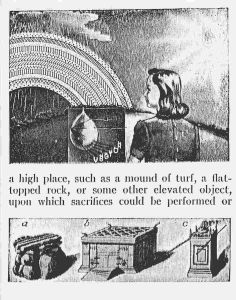
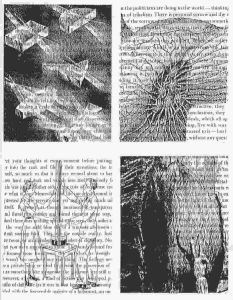
Impressão gráfica de Spencer Selby, artista e poeta experimental norte americano ligado à poesia visual, à colagem, à publicação independente e às redes internacionais de arte postal.
Spencer Selby - H. Spencer Selby - Iowa - USA
Categoria: Mail Art
Acervo: 03917
Dimensões: 28 x 21,6 cm
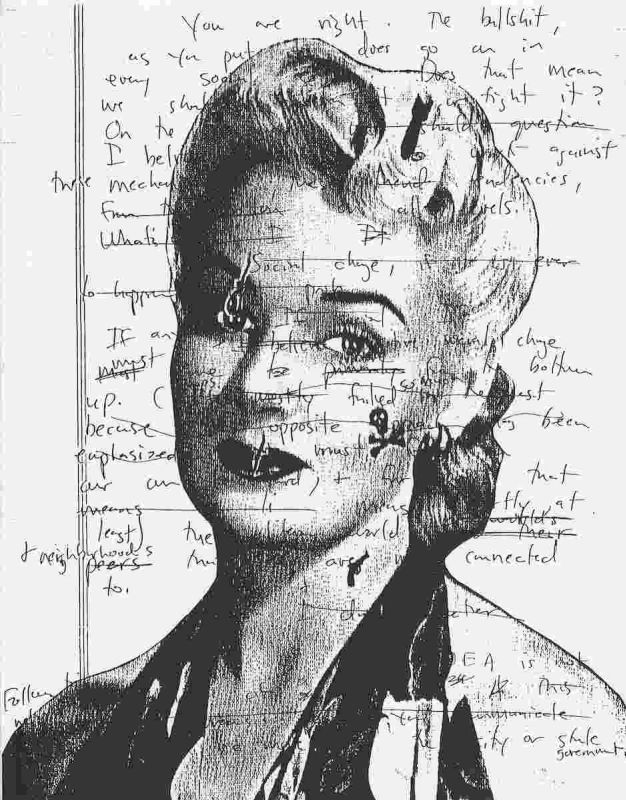
Impressão gráfica de Spencer Selby, artista e poeta experimental norte americano ligado à poesia visual, à colagem, à publicação independente e às redes internacionais de arte postal. A obra apresenta uma composição em preto e branco construída pela sobreposição de uma fotografia de figura masculina com fragmentos manuscritos em inglês, criando um campo visual denso no qual retrato, escrita, memória e comunicação se confundem.A imagem central mostra um homem vestido com terno e gravata. O retrato possui aparência de reprodução fotográfica, possivelmente derivada de material impresso encontrado, fotografia de arquivo ou imagem apropriada. A identidade da pessoa representada não está indicada na folha e não pode ser confirmada apenas pela imagem apresentada.Sobre o rosto, o cabelo, o terno e o fundo aparecem numerosas frases manuscritas. Parte da escrita permanece visível e parte é encoberta pela fotografia, pelas linhas do retrato e por outras palavras. Esse procedimento impede uma leitura contínua e transforma o texto em matéria gráfica. Entre os fragmentos parcialmente legíveis aparecem expressões relacionadas a razão, oposição, mudança, conexão, comunicação, semelhança, diferença e relações entre duas pessoas.Na região superior pode ser percebido um diálogo fragmentado que começa com a ideia de que duas pessoas podem estar certas. Outros trechos parecem questionar como alguém pode seguir em determinada direção, como as coisas significam algo e como uma posição pode mudar. Na área central aparecem palavras como opposite, change, better, true e reason, embora várias frases estejam incompletas ou parcialmente apagadas pela sobreposição.Na parte inferior direita aparecem referências à comunicação e à relação entre pessoas. Um trecho parece mencionar duas pessoas que se comunicam, apesar de serem semelhantes ou diferentes. Como a escrita está parcialmente encoberta e apresenta baixa definição em algumas áreas, não é possível estabelecer uma transcrição integral e segura de todo o texto.A obra explora a impossibilidade de separar completamente imagem e linguagem. O rosto funciona como suporte para uma conversa, reflexão ou fluxo de pensamento. Ao mesmo tempo, as palavras atravessam a identidade da figura e transformam o retrato em espaço de dúvida, argumento, contradição e negociação de sentidos.A sobreposição do texto manuscrito sobre a fotografia cria uma estrutura semelhante a um palimpsesto. Cada camada interfere na leitura da outra. O retrato deixa de ser apenas representação de uma pessoa e passa a funcionar como território ocupado por ideias, vozes, perguntas e conflitos. A escrita não atua apenas como legenda, pois participa diretamente da construção visual.O contraste entre o traje formal da figura e a escrita espontânea produz tensão entre autoridade e intimidade, aparência pública e pensamento privado, imagem institucional e linguagem pessoal. A fotografia sugere estabilidade, enquanto a escrita introduz movimento, hesitação e mudança.A composição pode ser relacionada à poesia visual, à colagem textual, à apropriação de imagens, à arte conceitual e às publicações de artista. Também se aproxima da cultura de arte postal, na qual reproduções gráficas, imagens encontradas, textos fragmentados e intervenções manuais circulavam como instrumentos de comunicação entre poetas e artistas.Não aparecem na imagem título, data, técnica, tiragem, assinatura, endereço, identificação editorial ou indicação de destinatário. Esses dados devem permanecer como não identificados até que o verso da peça, outras páginas ou documentação complementar sejam examinados.A impressão deve ser indexada pelos termos Spencer Selby, artista norte americano, poesia visual, poesia experimental, arte postal, mail art, colagem, fotomontagem, texto manuscrito, fotografia apropriada, retrato masculino, palavra e imagem, escrita sobre fotografia, comunicação, identidade, memória, linguagem, arte conceitual, publicação de artista e redes alternativas de circulação.Text for the Salsa program in EnglishGraphic print by Spencer Selby, an American experimental poet and artist associated with visual poetry, collage, independent publishing and international mail art networks. The work presents a black and white composition constructed through the superimposition of a photographic portrait of a man and handwritten English language fragments, creating a dense visual field in which portraiture, writing, memory and communication become inseparable.The central image shows a man wearing a suit and tie. The portrait has the appearance of a reproduced photograph, possibly derived from found printed material, an archival photograph or an appropriated image. The identity of the represented person is not indicated on the sheet and cannot be confirmed from the available image alone.Numerous handwritten sentences appear across the face, hair, clothing and background. Some passages remain visible, while others are obscured by the photograph, by the lines of the portrait and by additional layers of writing. This procedure prevents continuous reading and transforms language into graphic material. Partially legible fragments appear to concern reason, opposition, change, connection, communication, similarity, difference and relations between two people.In the upper area, a fragmented dialogue appears to begin with the possibility that two people may both be right. Other passages seem to question how someone can move in a particular direction, how things acquire meaning and how a position may change. Words such as opposite, change, better, true and reason can be identified in the central area, although many sentences remain incomplete or partially erased by the overlapping image.The lower right area contains possible references to communication and relations between people. One passage appears to mention two people communicating despite being similar or different. Because the handwriting is partially covered and some sections have limited definition, a complete and reliable transcription of the text cannot be established.The work investigates the impossibility of completely separating image from language. The face becomes a support for conversation, reflection or a stream of thought. At the same time, the words cross the identity of the figure and transform the portrait into a field of doubt, argument, contradiction and negotiation of meaning.The superimposition of handwritten text over the photograph produces a structure resembling a palimpsest. Each layer interferes with the legibility of the other. The portrait no longer functions only as the representation of an individual and becomes a territory occupied by ideas, voices, questions and conflicts. The writing does not operate merely as a caption because it directly participates in the visual construction.The contrast between the formal clothing of the figure and the spontaneous handwriting creates tension between authority and intimacy, public appearance and private thought, institutional imagery and personal language. The photograph suggests stability, while the writing introduces movement, hesitation and transformation.The composition can be connected with visual poetry, textual collage, image appropriation, conceptual art and artists publications. It also relates to mail art culture, in which graphic reproductions, found images, fragmented writing and manual interventions circulated as forms of communication among poets and artists.No title, date, technique, edition information, signature, address, publishing identification or recipient is visible in the image. These details should remain unidentified until the reverse, additional pages or complementary documentation can be examined.The print should be indexed under Spencer Selby, American artist, visual poetry, experimental poetry, mail art, collage, photomontage, handwritten text, appropriated photography, male portrait, word and image, writing over photography, communication, identity, memory, language, conceptual art, artists publication and alternative circulation networks.
Impressão gráfica atribuída a Spencer Selby, Estados Unidos, sem título e sem data visíveis. A composição apresenta reprodução fotográfica em preto e branco de um homem usando terno e gravata, coberta por numerosos fragmentos manuscritos em inglês. As palavras e frases atravessam o rosto, a roupa e o fundo, produzindo uma estrutura de palimpsesto na qual imagem e texto se tornam parcialmente ilegíveis. A obra aborda comunicação, divergência, identidade, mudança, oposição e relações humanas. Não foi possível realizar a transcrição integral da escrita devido à sobreposição, ao apagamento de trechos e à definição limitada da reprodução. A peça integra os campos da poesia visual, colagem textual, fotografia apropriada, arte conceitual, publicação de artista e arte postal.Observation text in EnglishGraphic print attributed to Spencer Selby, United States, with no visible title or date. The composition presents a black and white photographic reproduction of a man wearing a suit and tie, covered by numerous handwritten English language fragments. Words and sentences cross the face, clothing and background, producing a palimpsest structure in which image and text become partially illegible. The work addresses communication, disagreement, identity, change, opposition and human relationships. A complete transcription was not possible because of overlapping elements, obscured passages and the limited definition of the reproduction. The piece belongs to visual poetry, textual collage, appropriated photography, conceptual art, artists publications and mail art.
Proveniência
Coleção Poema ProcessoInglês
Graphic print by Spencer Selby, an American experimental poet and artist associated with visual poetry, collage, independent publishing and international mail art networks.
Dimensions: 11 x 8,5 in