Home
Artistas
Pauline Smith - Pauline Elizabeth Smith . Reino Unido
Pauline Smith - Pauline Elizabeth Smith . Reino Unido
Local de nascimento: Londres
Data de nascimento: 1933
Local de falecimento: Londres
Data de falecimento: 2017
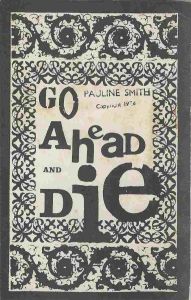
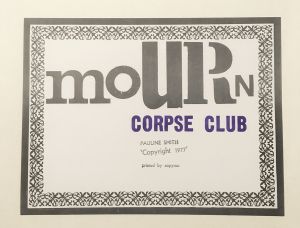
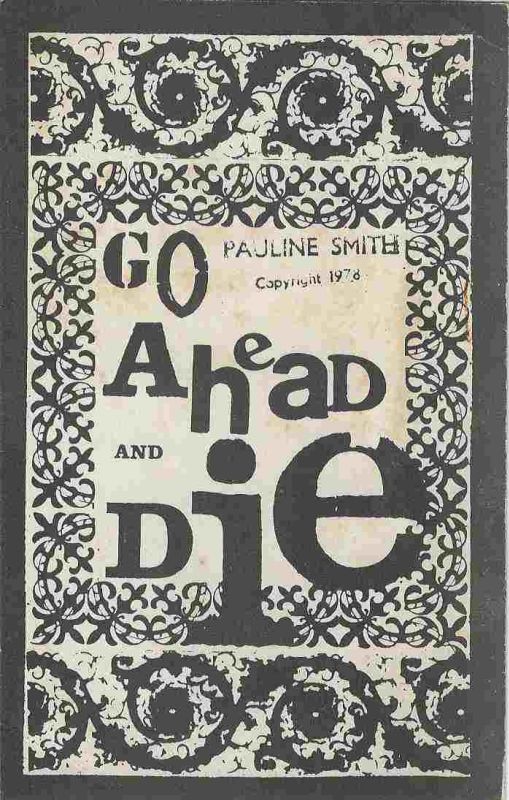
Pauline Elizabeth Smith, conhecida artisticamente como Pauline Smith, foi uma artista britânica ligada à Mail Art, arte conceitual, fotografia, pintura, poesia visual, publicação experimental e práticas de correspondência. Nasceu em 1933. A documentação institucional apresenta uma divergência importante sobre seu local de nascimento. O arquivo pessoal conservado pela Tate, que constitui a fonte primária mais extensa sobre sua trajetória, registra seu nascimento em Dar es Salaam, então Tanganica e atual Tanzânia, onde seu pai trabalhava para o serviço colonial britânico. Outras fontes posteriores registram Quênia como país de nascimento. Diante dessa divergência, Dar es Salaam, Tanganica, deve ser considerado o dado de maior sustentação documental por estar registrado no histórico administrativo de seu próprio fundo na Tate. O Lomholt Mail Art Archive registra Pauline Smith como artista de Londres, nascida em 1933 e falecida em 2017.A família de Pauline Smith circulou por diferentes territórios africanos durante sua infância, incluindo Kampala, Mombasa, Nairobi e Egito, antes de chegar ao Reino Unido em 1945. Aos doze anos foi matriculada em um convento próximo a St Albans, Hertfordshire. Segundo o histórico biográfico preservado pela Tate, o aspecto escolar que mais lhe interessava era a arte do lettering, elemento que posteriormente se tornaria recorrente em sua produção gráfica e postal. Deixou a escola aos dezesseis anos e trabalhou em diferentes atividades, entre elas florista, vitrinista e secretária.Sua formação artística começou em 1957 com aulas noturnas no departamento de escultura da St Martins School of Art, Londres. Em 1959 tornou se estudante de escultura em tempo integral. Anthony Caro e Elisabeth Frink estavam entre os professores relacionados ao departamento naquele período. Problemas de saúde interromperam a continuidade dos estudos de escultura e Smith passou a estudar pintura em regime parcial na Sir John Cass. Em 1962 retornou à St Martins para realizar cursos de Intermediate e National Diploma in Design na área de pintura. Frederick Gore dirigia o departamento, e entre os professores citados pela documentação da Tate encontram se David Cashman, Leon Kossoff, Stella Marsden, Alan Reynolds, John Latham, Anthony Wishaw e John Barnicoat. Durante essa fase produziu construções cinéticas e trabalhos relacionados à Op Art. Posteriormente estudou na Chelsea School of Art, onde teve contato com Jeremy Moon, Robyn Denny e Anthony Hill.Ainda durante a década de 1960 Smith começou a expor em contextos institucionais britânicos. A Tate registra sua participação em Young Contemporaries, Londres, em 1966. Uma documentação independente da exposição confirma Pauline Smith entre os artistas participantes da edição de 1966 realizada nas Royal Society of British Artists Galleries. Em 1968 participou de Pictures for Schools na Diploma Gallery da Royal Academy e, em 1969, de exposição relacionada à Artists International Association em Londres. Entre 1971 e 1974 seu trabalho foi apresentado na Midland Group Gallery, Nottingham.Em 1970 Pauline Smith começou a trabalhar como professora, atividade que abandonou em 1972. Foi nesse período que sua trajetória se deslocou decisivamente em direção à poesia e à comunicação artística experimental. Smith conheceu Opal L Nations, poeta, editor e participante da Mail Art, e por meio dessa relação passou a integrar Global Infantilism, rede postal que incluía nomes como Genesis P Orridge e Robin Klassnik. Um anúncio de Genesis P Orridge na AIR Newsletter oferecendo distribuição internacional de materiais forneceu outro ponto de entrada para Smith nas redes postais. A artista passou então a criar pequenas edições efêmeras e formou sua própria lista de correspondentes.Esse momento marcou a consolidação de Pauline Smith como artista de correspondência. Ela produzia e distribuía séries postais aproximadamente quinzenais. Sua prática apropriava envelopes, cartões postais, carimbos de borracha, textos, fotografias, materiais encontrados e a própria infraestrutura dos correios. Em vez de tratar o sistema postal apenas como instrumento de transporte, Smith transformava endereço, selo, cancelamento postal, formato do cartão, carimbo e ato de envio em componentes da obra.Entre suas primeiras séries de Mail Art documentadas encontra se Lost Marbles Dump, relacionada criticamente aos incorporadores imobiliários e às transformações urbanas de Chelsea. Outra série, A Present from Belfast, utilizava a correspondência para abordar o conflito político na Irlanda do Norte. Esses trabalhos revelam que a Mail Art de Pauline Smith possuía desde o início uma dimensão política e social, combinando sátira, provocação e circulação direta fora das instituições tradicionais de arte.Em 1974 Smith criou seu projeto mais controverso e historicamente conhecido, Adolf Hitler Fan Club. O projeto deve ser identificado com precisão como ação artística provocativa, irônica e satírica, não como organização política de apoio ao nazismo. Estudos históricos sobre redes de arte postal o descrevem como uma identidade postal criada por Smith para questionar autoridade institucional, política britânica, liberdade de expressão e mecanismos de provocação pública. O Network Atlas de Géza Perneczky registra explicitamente a ação como prática postal irônica e dadaísta.A origem do projeto estava associada à leitura crítica que Smith fazia da política britânica e das transformações urbanas de Chelsea. Documentação posterior registra que a artista relacionava o projeto às políticas de proprietários, inquilinos, desenvolvimento imobiliário e turismo no bairro onde vivia. Sua intenção consistia em explorar como uma identidade deliberadamente extrema e socialmente intolerável poderia funcionar como dispositivo para testar os limites do sistema postal, da liberdade de expressão e da reação institucional.A linguagem visual do Adolf Hitler Fan Club dependia fortemente de carimbos de borracha aplicados a cartões e envelopes. Géza Perneczky registra que esses carimbos foram produzidos em 1974 e empregados em pequenas edições postais nas quais materiais encontrados tinham importância central. Essa apropriação do carimbo simulava o aspecto burocrático de uma organização oficial, ao mesmo tempo que transformava a autoridade gráfica do selo administrativo em instrumento dadaísta.Em fevereiro de 1975 o projeto ganhou uma dimensão internacional através do Adolf Hitler Memorial Fund. O Network Atlas registra um cartão convite assinado por Pauline Smith e Ugo Carrega, ligado ao Mercato del Sale, Via Borgonuova 20, Milão. O cartão solicitava participação em uma iniciativa planejada para maio de 1975. Segundo a documentação, o British Post Office recusou em 22 de fevereiro de 1975 a circulação de uma edição de cartões que trazia o carimbo do Adolf Hitler Memorial Fund.Essa ação relaciona Pauline Smith diretamente a Ugo Carrega e ao Mercato del Sale, importante espaço italiano de poesia visual, escrita experimental e pesquisa verbo visual. A conexão é relevante para inserir Smith não apenas na Mail Art anglófona, mas também no circuito europeu de poesia visual e experimentação editorial que incluía Itália, Reino Unido, Alemanha, Holanda e outras regiões.A circulação postal desses materiais provocou reação policial. Fontes históricas registram busca policial em sua residência relacionada às atividades do Adolf Hitler Fan Club e investigação sobre possível violação da legislação britânica. O projeto acabou sendo interrompido. Estudos posteriores sobre Mail Art o utilizam como exemplo de como identidades artísticas fictícias e carimbos postais podiam testar os limites entre comunicação artística, provocação e autoridade estatal.Depois desse ciclo, Smith desenvolveu Corpse Club e Body Sculpture. O Network Atlas registra Corpse Club e Body Sculpture como ação postal de janeiro de 1977. A Tate confirma que as edições de Corpse Club sucederam às atividades anteriores e preserva exemplares dentro do fundo Pauline Smith.No Brasil, a presença de Pauline Smith é documentalmente significativa. O Museu de Arte Contemporânea da Universidade de São Paulo preserva Members only e Corpse club, de 1977, registradas como duas peças em offset sobre papel, com dimensões aproximadas de 29,7 por 21 centímetros e incorporadas ao acervo por doação da artista. Essa presença transforma Pauline Smith em uma figura particularmente relevante para pesquisas brasileiras sobre Mail Art, poesia visual e redes experimentais internacionais.O MAC USP preserva também documentação de Buzón de Arte, de 1976, associando Pauline Smith a uma rede internacional que inclui Peter Van Beveren, Oscar Jorge Caraballo, Hervé Fischer, Klaus Groh, Clemente Padín, Robert Rehfeldt, Edgardo Antonio Vigo, Horacio Zabala e outros participantes. O conjunto demonstra que Smith estava inserida em circuitos transnacionais que conectavam Europa e América Latina antes mesmo do núcleo mais intenso de sua produção postal de 1977 e 1978.O endereço 27 Siddons, Tavistock Street, London WC2, fornecido na documentação do acervo, é confirmado pelo Network Atlas de Géza Perneczky como endereço de Pauline Smith em 1977. A leitura contemporânea do endereço permite identificar com maior precisão o local como Siddons Court, Tavistock Street, no distrito WC2 de Londres. Documentação imobiliária atual confirma a existência do apartamento 27 em Siddons Court, 39 Tavistock Street, WC2E 7NT. Para catalogação histórica, contudo, deve ser preservada a grafia efetivamente utilizada nos documentos da artista, 27 Siddons, Tavistock St., London W.C.2.Entre 1977 e 1978 Pauline Smith manteve intercâmbio documentado com Niels Lomholt e o circuito da Lomholt Formular Press. O Lomholt Mail Art Archive preserva quatorze registros relacionados à artista, entre eles Exchangeable Photo de 1977, Open Letter de 22 de julho de 1977, participações em A Length, Prison e Sydney's Concealment, convites, impressos e cartas enviados ao longo de 1978.Essa documentação demonstra a integração de Smith a projetos coletivos nos quais artistas de vários países respondiam a estruturas propostas por Niels Lomholt. Exchangeable Photo, A Length, Prison e Sydney's Concealment situam sua produção ao lado de participantes como Anna Banana, Betty Danon, Guglielmo Achille Cavellini, Robin Crozier, Paulo Bruscky e numerosos outros agentes das redes internacionais de arte postal.Em 1978 Smith desenvolveu ainda ações associadas ao luto, à morte e à comunicação pública. O arquivo Alternative Traditions in the Contemporary Arts da University of Iowa documenta Corpse Club Members Only, Mourn e Announcing a Day of Mourning, todos de 1978, por meio de impressões de carimbos em envelopes. Preserva também cartões como Cape of No Hope, 2 Varieties, Pyramids Hid from View by This Postcard, To Left of This Postcard e Canadian Pyramid.O Network Atlas registra também Go Ahead and Die como ação em cartão postal de 1978. Esses trabalhos mostram a continuidade de uma investigação sobre linguagem direta, morte, corpo, absurdo, burocracia e convenções sociais, frequentemente por meio de frases curtas, carimbos e estruturas gráficas de aparência administrativa.Um episódio particularmente importante de 1978 relaciona Pauline Smith à mobilização internacional em favor dos artistas uruguaios Clemente Padín e Jorge Caraballo, perseguidos e presos pela ditadura uruguaia. O Lomholt Mail Art Archive conserva carta e material impresso de Pauline Smith datados de 26 de junho de 1978, classificados pelos temas Announcing a Day of Mourning, Free Everybody, Clemente Padín e Jorge Caraballo. Isso demonstra que sua Mail Art não se restringia à provocação britânica, participando também das redes internacionais de solidariedade política que mobilizaram artistas na Europa e nas Américas.Em novembro de 1978 Pauline Smith aparece entre os participantes documentados da First International Mail Art Show, organizada por Betty Bressi na Gallery 300 em Staten Island, Nova York. A extensa lista internacional reunia também Paulo Bruscky, Guillermo Deisler, Graciela Gutiérrez Marx, Edgardo Antonio Vigo, Niels Lomholt, Klaus Groh, Robert Rehfeldt, Ruth Wolf Rehfeldt, Endre Tót, Raúl Marroquín e vários outros artistas das redes internacionais.A atividade postal intensiva de Smith diminuiu em 1978 por razões de saúde. Segundo o histórico da Tate, ela retornou posteriormente a práticas mais tradicionais e passou por uma fase de xerox colorido e pintura a óleo relacionada principalmente à Segunda Guerra Mundial. Produziu também pequenas esculturas de marfim inscritas relacionadas ao Terceiro Reich, concebidas segundo sua própria lógica como transformação de material valioso em objeto de caráter crítico.Em 1981 e 1982 Pauline Smith interrompeu temporariamente a pintura para estudar astrologia. A partir daí astrologia, textos antigos, relações entre história, cosmologia e acontecimentos políticos passaram a adquirir importância crescente em sua produção. Com a queda do Muro de Berlim em 1989 retornou à pintura, utilizando aquarela para responder às transformações políticas da Europa Oriental.Em 1992 sua produção artística foi novamente interrompida devido aos cuidados dedicados à mãe. Em 1996 retomou a pintura, desta vez concentrando se em antigos textos astrológicos, particularmente autores como Manilius, do período romano, e Marsilio Ficino, do Renascimento.Fontes posteriores documentam que Smith continuou produzindo trabalhos relacionados à política, história, ecologia e extinção. Entre eles encontram se Tombs of the Last Species, enviado a membros do Parlamento britânico em 2006, Species Tombs, de 2008, e Sun and Moon, de 2013, obra relacionada às guerras e intervenções militares no Oriente Médio.A produção de Pauline Smith foi apresentada em diferentes contextos ao longo de sua carreira. Além de Young Contemporaries em 1966, Pictures for Schools em 1968, Artists International Association em 1969 e apresentações na Midland Group Gallery entre 1971 e 1974, a Tate registra exposição na St Pauls Gallery, Leeds, em 1985 e participação em mostra coletiva na Minories, Colchester, em 1989. A classificação precisa como exposição individual ou coletiva não está disponível para todos esses eventos nas fontes consultadas e por isso não deve ser presumida.O arquivo pessoal de Pauline Smith constitui uma das fontes centrais para o estudo de sua obra. O fundo TGA 807 da Tate reúne trinta caixas de documentação datada principalmente entre 1973 e 1989. Inclui correspondência e Mail Art recebidas, trabalhos originais e reproduções de Pauline Smith, livros de artista, catálogos, periódicos, publicações e diretórios de Mail Art. O material foi doado pela própria artista em 1980, com incorporações adicionais em 1997 e 1998.A Tate identifica ainda documentação relacionada a Smith dentro do arquivo de David Mayor e Beau Geste Press, demonstrando interseções entre seu circuito postal e outras redes britânicas de publicação experimental.Além da Tate, a documentação institucional registra obras de Pauline Smith em coleções públicas como Ferens Art Gallery, Hull, Rutherston Collection na Manchester City Art Gallery, Museo de Bellas Artes de Caracas, Otis Art Institute of Los Angeles County e Victoria and Albert Museum em Londres. A presença no MAC USP acrescenta uma instituição brasileira de grande relevância a essa cartografia internacional.Pauline Smith faleceu em 2017. O Lomholt Mail Art Archive confirma os anos 1933 a 2017. Fontes secundárias fornecem 19 de março de 2017 como data precisa de falecimento, mas essa data não foi localizada nas fontes institucionais primárias consultadas e deve ser tratada com cautela.A relação de Pauline Smith com o Poema Processo deve ser definida com rigor. Não foi localizada evidência de que tenha integrado o movimento brasileiro fundado em 1967. Entretanto, sua produção pertence à mesma ampla história internacional da poesia visual, da experimentação gráfico verbal, da Mail Art, da arte conceitual e da comunicação artística alternativa na qual participantes brasileiros do Poema Processo passaram a atuar durante os anos 1970.A presença de Smith em coleções brasileiras e em circuitos que incluem Paulo Bruscky, Clemente Padín, Edgardo Antonio Vigo, Horacio Zabala, Klaus Groh, Niels Lomholt, Robert Rehfeldt e outros artistas permite situá la dentro de uma rede internacional diretamente relacionada ao universo de circulação em que artistas brasileiros de poesia visual e Poema Processo se inseriram. Sua obra Members only e Corpse club no MAC USP constitui evidência material particularmente importante dessa conexão transatlântica.Historicamente, Pauline Smith ocupa posição singular na Mail Art britânica por transformar mecanismos banais de comunicação em instrumentos de crítica política e institucional. Carimbos, cartões, envelopes, listas de endereços e edições efêmeras funcionavam como dispositivos conceituais. Sua produção revela como a arte postal podia operar simultaneamente como obra, ação, publicação, intervenção pública, rede social analógica e questionamento dos limites da liberdade de expressão.
English
Pauline Elizabeth Smith, professionally known as Pauline Smith, was a British artist associated with Mail Art, Conceptual Art, photography, painting, visual poetry, experimental publishing and correspondence based practices. She was born in 1933. Institutional documentation contains an important discrepancy concerning her birthplace. Her personal archive at Tate, the most extensive primary documentary source on her career, records that she was born in Dar es Salaam, then Tanganyika and now Tanzania, where her father worked for the British Colonial Service. Some later sources instead identify Kenya as her birthplace. Because the Tate record derives from the administrative history of Smith's own archive, Dar es Salaam, Tanganyika, currently provides the stronger documentary attribution. The Lomholt Mail Art Archive identifies Smith as a London artist whose life dates were 1933 to 2017.Smith's family moved through several locations in Africa during her childhood, including Kampala, Mombasa, Nairobi and Egypt, before arriving in the United Kingdom in 1945. At the age of twelve she entered a convent school near St Albans, Hertfordshire. According to Tate's archival biography, lettering was the only school subject that strongly interested her, and graphic lettering later became a recurrent element in her work. She left school at sixteen and worked in several occupations including florist, window dresser and secretary.Her formal artistic education began in 1957 with evening classes in the sculpture department at St Martins School of Art in London. In 1959 she became a full time sculpture student. Anthony Caro and Elisabeth Frink were among the artists teaching in the department. Illness interrupted her sculpture studies and Smith subsequently studied painting part time at Sir John Cass. In 1962 she returned to St Martins to pursue Intermediate and National Diploma in Design courses in painting. Frederick Gore directed the department and Tate identifies David Cashman, Leon Kossoff, Stella Marsden, Alan Reynolds, John Latham, Anthony Wishaw and John Barnicoat among her teachers. During this period Smith produced kinetic constructions and work associated with Op Art. She subsequently studied at Chelsea School of Art with Jeremy Moon, Robyn Denny and Anthony Hill.Smith began exhibiting during the 1960s. Tate records her participation in Young Contemporaries in London in 1966, and independent documentation of that exhibition confirms Pauline Smith among the artists shown at the Royal Society of British Artists Galleries. She subsequently participated in Pictures for Schools at the Diploma Gallery of the Royal Academy in 1968 and an Artists International Association exhibition in London in 1969. Between 1971 and 1974 her work was presented at the Midland Group Gallery in Nottingham.Smith began teaching in 1970 but left the profession in 1972. During this period she became increasingly interested in poetry and experimental communication. She met Opal L Nations, a poet, editor and Mail Artist, who introduced her to Global Infantilism, an international correspondence art network that also included Genesis P Orridge and Robin Klassnik. An advertisement by Genesis P Orridge in AIR Newsletter offering international distribution of artistic material provided another route into correspondence art. Smith began producing small disposable editions and soon established her own mailing list.This period established Smith as an active correspondence artist. She distributed two series of postal editions at approximately fortnightly intervals. Envelopes, postcards, rubber stamps, lettering, photographs, found material and the postal infrastructure itself became artistic media. Rather than treating the mail simply as transportation, Smith incorporated address, stamp, postmark, envelope, card and act of transmission into the structure of the work.Among her early documented Mail Art projects was Lost Marbles Dump, a critique of property development and urban change in Chelsea. Another series, A Present from Belfast, addressed the conflict in Northern Ireland. These projects demonstrate that Smith's Mail Art possessed a strong social and political dimension from the outset and combined satire, provocation and direct communication outside conventional art institutions.In 1974 Smith initiated her most controversial and historically recognized project, Adolf Hitler Fan Club. The project must be described precisely as a provocative, ironic and satirical artistic action, not as an organization advocating Nazism. Historical scholarship on correspondence art describes it as a network identity through which Smith examined institutional authority, British politics, freedom of expression and the mechanisms of public provocation. Géza Perneczky's Network Atlas explicitly identifies the project as ironic and Dadaistic postal actionism.The project emerged from Smith's critical response to British political life and to transformations taking place in Chelsea. Later documentation relates her motivation to local conflicts involving landlords, tenants, property development and tourism. The deliberately unacceptable institutional identity became a device for testing how the postal system, public authorities and recipients responded to extreme symbolic material.Rubber stamps were central to the visual language of the project. Perneczky records that Adolf Hitler Fan Club stamps were produced in 1974 and used on postcards and envelopes in small postal editions in which found material played an important role. The graphic language imitated the bureaucratic authority of an official organization while functioning as a Dadaistic disruption of such authority.In February 1975 the project developed an international dimension through the Adolf Hitler Memorial Fund. Network Atlas records an invitation card associated with Pauline Smith and Ugo Carrega at Mercato del Sale, Via Borgonuova 20, Milan. It invited participation in an artistic event planned for May 1975. The British Post Office refused on 22 February 1975 to handle an edition of postcards carrying the Adolf Hitler Memorial Fund rubber stamp.This action establishes a direct relationship between Pauline Smith, Ugo Carrega and Mercato del Sale, an important Italian center for visual poetry and experimental writing. It places Smith not only within Anglophone Mail Art but also within a European network of verbo visual experimentation linking Britain, Italy and other regions.The circulation of these materials prompted police intervention. Historical accounts document a police search of Smith's home in connection with the Adolf Hitler Fan Club material and investigation concerning possible violations of British legislation. The project eventually ceased. It later became a frequently cited example of how fictive artistic organizations and postal identities could test boundaries among art, public communication and state authority.Smith subsequently developed Corpse Club and Body Sculpture. Network Atlas records Corpse Club and Body Sculpture as a Mail Art action from January 1977. Tate confirms that Corpse Club editions followed the earlier projects and preserves examples within the Pauline Smith fonds.Pauline Smith has a significant documented presence in Brazil. Museu de Arte Contemporânea da Universidade de São Paulo preserves Members only and Corpse club, dated 1977, as two offset works on paper measuring approximately 29.7 by 21 centimeters and donated by the artist. These holdings provide direct material evidence of Smith's circulation within Brazilian collections and make her particularly relevant to research on Mail Art and visual poetry in Brazil.MAC USP also preserves documentation relating to Buzón de Arte from 1976 in which Pauline Smith appears within an international constellation including Peter Van Beveren, Oscar Jorge Caraballo, Hervé Fischer, Klaus Groh, Clemente Padín, Robert Rehfeldt, Edgardo Antonio Vigo and Horacio Zabala. This record places Smith within a transnational network joining European and Latin American experimental art.The address 27 Siddons, Tavistock Street, London WC2 supplied in historical material is independently confirmed by Géza Perneczky's Network Atlas as Pauline Smith's address in 1977. Current address records identify the building as Siddons Court on Tavistock Street in London's WC2 district and confirm a Flat 27 within the building. For historical cataloguing, however, the wording found on the artist's correspondence should be retained as 27 Siddons, Tavistock St., London W.C.2.Between 1977 and 1978 Smith maintained documented exchanges with Niels Lomholt and Lomholt Formular Press. The Lomholt Mail Art Archive contains fourteen records associated with her, including Exchangeable Photo in 1977, an Open Letter dated 22 July 1977, contributions to A Length, Prison and Sydney's Concealment, as well as invitations, printed matter and correspondence from 1978.These records show Smith participating in collaborative structures in which artists from many countries responded to projects proposed by Niels Lomholt. Exchangeable Photo, A Length, Prison and Sydney's Concealment place her within the same network as artists including Anna Banana, Betty Danon, Guglielmo Achille Cavellini, Robin Crozier, Paulo Bruscky and numerous other correspondence artists.In 1978 Smith developed further postal actions concerning mourning, death and public communication. The Alternative Traditions in the Contemporary Arts archive at the University of Iowa documents Corpse Club Members Only, Mourn and Announcing a Day of Mourning, all from 1978, through rubber stamp impressions on envelopes. It also documents postcards titled Cape of No Hope, 2 Varieties, Pyramids Hid from View by This Postcard, To Left of This Postcard and Canadian Pyramid.Network Atlas additionally records Go Ahead and Die as a 1978 postcard action. Together these works demonstrate a continuing investigation of death, the body, absurdity, bureaucratic language and social convention through compact graphic and postal forms.An important episode in 1978 links Smith to the international campaign in support of the Uruguayan artists Clemente Padín and Jorge Caraballo, who were persecuted and imprisoned under the Uruguayan dictatorship. The Lomholt Mail Art Archive preserves correspondence and printed matter by Pauline Smith dated 26 June 1978 and indexed under Announcing a Day of Mourning, Free Everybody, Clemente Padín and Jorge Caraballo. This demonstrates that Smith's Mail Art also participated in international networks of political solidarity connecting Europe and Latin America.In November 1978 Smith was among the artists documented in the First International Mail Art Show organized by Betty Bressi at Gallery 300 on Staten Island, New York. The international list also included Paulo Bruscky, Guillermo Deisler, Graciela Gutiérrez Marx, Edgardo Antonio Vigo, Niels Lomholt, Klaus Groh, Robert Rehfeldt, Ruth Wolf Rehfeldt, Endre Tót and Raúl Marroquín.Smith's intensive Mail Art activity declined in 1978 due to health problems. Tate records that she subsequently returned to other forms of art, creating color Xerox works and later oil paintings dealing with the Second World War. She also produced small inscribed ivory sculptures connected with the Third Reich, conceived within a strategy of converting material value into critically charged objects.In 1981 and 1982 Smith temporarily stopped painting in order to study astrology. Astrology, ancient texts, historical symbolism and political events subsequently became increasingly important within her work. After the fall of the Berlin Wall in 1989 she returned to painting in watercolor, responding to political transformations in Eastern Europe.Her artistic activity stopped again in 1992 while she cared for her mother. In 1996 she returned to painting and concentrated on ancient astrological texts, particularly the Roman author Manilius and the Renaissance philosopher Marsilio Ficino.Later sources document continuing work concerning politics, history, ecology and extinction. Projects include Tombs of the Last Species, distributed to members of the British Parliament in 2006, Species Tombs in 2008 and Sun and Moon in 2013, addressing military action and geopolitical conflict in the Middle East.Smith's work was presented in several institutional contexts. In addition to Young Contemporaries in 1966, Pictures for Schools in 1968, Artists International Association in 1969 and presentations at Midland Group Gallery between 1971 and 1974, Tate records St Pauls Gallery in Leeds in 1985 and a group exhibition at the Minories in Colchester in 1989. The available documentation does not securely classify every one of these events as solo or group exhibitions, so classifications should not be inferred where they are not explicit.Smith's personal archive is one of the principal resources for studying her career. Tate fonds TGA 807 contains thirty boxes of material dating mainly from 1973 to 1989. The archive includes correspondence and Mail Art received by Smith, original works and reproductions by Smith, artists books, exhibition catalogues, periodicals, publications and Mail Art directories. Smith herself presented the archive to Tate in 1980, with additional material donated in 1997 and 1998.Tate also identifies related correspondence involving Smith within the David Mayor and Beau Geste Press archive, demonstrating further connections between her postal network and British experimental publishing circles.Institutional documentation records Pauline Smith's work in public collections including Ferens Art Gallery in Hull, the Rutherston Collection at Manchester City Art Gallery, Museo de Bellas Artes in Caracas, Otis Art Institute of Los Angeles County and the Victoria and Albert Museum in London. The collection of MAC USP provides an important Brazilian extension of this institutional geography.Pauline Smith died in 2017. Lomholt Mail Art Archive confirms the life dates 1933 to 2017. Secondary sources give 19 March 2017 as the precise death date, but this date was not independently confirmed in the institutional primary sources consulted and should therefore be treated with appropriate caution.Pauline Smith's relationship with the Brazilian Process Poem Movement must be defined carefully. No evidence was located establishing her as a participant in the movement founded in Brazil in 1967. Her work belongs instead to the broader international history of visual poetry, graphic verbal experimentation, Mail Art, Conceptual Art and alternative communication networks in which Brazilian artists associated with Process Poem increasingly circulated during the 1970s.Smith's presence in Brazilian collections and in networks shared with Paulo Bruscky, Clemente Padín, Edgardo Antonio Vigo, Horacio Zabala, Klaus Groh, Niels Lomholt and Robert Rehfeldt places her within the international environment that intersected with Brazilian visual poetry and Process Poem. Members only and Corpse club in the MAC USP collection provide particularly important material evidence of this transatlantic circulation.Historically, Pauline Smith occupies a distinctive position in British Mail Art because she transformed ordinary mechanisms of communication into instruments of political and institutional critique. Rubber stamps, postcards, envelopes, address lists and ephemeral editions became conceptual devices. Her work demonstrates how Mail Art could simultaneously operate as artwork, action, publication, public intervention, analogue social network and investigation into the limits of freedom of expression.
Currículo
Pauline Smith foi artista britânica ligada à Mail Art, fotografia, pintura, poesia visual, arte conceitual e publicações experimentais. Sua atuação mais intensa nas redes postais ocorreu durante a década de 1970, quando criou séries próprias de correspondência, participou de projetos internacionais e estabeleceu relações com artistas da Europa, América do Norte e América Latina. O arquivo TGA 807 da Tate constitui a principal fonte documental de sua trajetória e reúne trinta caixas de correspondência, obras, publicações e documentação de Mail Art.IDENTIFICAÇÃONome principal: Pauline SmithNome completo: Pauline Elizabeth SmithNascimento: 1933Data precisa registrada em fontes secundárias: 5 de setembro de 1933Local de nascimento segundo o arquivo da Tate: Dar es Salaam, Tanganica, atual TanzâniaLocal de nascimento segundo algumas fontes posteriores: QuêniaInformação adotada como documentalmente prioritária: Dar es Salaam, Tanganica, por constar no histórico administrativo do arquivo pessoal da artista na TateFalecimento: 2017Data precisa registrada em fontes secundárias: 19 de março de 2017Nacionalidade: britânicaPrincipal cidade de atuação: Londres, InglaterraEndereço documental em 1977: 27 Siddons, Tavistock St., London W.C.2Endereço atual correspondente: Siddons Court, Tavistock Street, London WC2EÁreas de atuação: Mail Art, Correspondence Art, pintura, fotografia, xerox, poesia visual, arte conceitual, carimbo de borracha, edição postal, objeto, escultura e astrologia aplicada à produção artísticaMovimentos e contextos: Mail Art, Correspondence Art, Global Infantilism, Neo Dada, práticas conceituais e redes alternativas de artistas.FORMAÇÃO1957St Martins School of ArtLondres, Reino UnidoAulas noturnas no departamento de escultura.Professores relacionados: Anthony Caro e Elisabeth Frink.1959St Martins School of ArtIngresso como estudante de escultura em tempo integral.Estudos interrompidos por problemas de saúde.Período posteriorSir John CassLondresEstudos de pintura em regime parcial.1962 em dianteSt Martins School of ArtIntermediate e National Diploma in DesignÁrea de pintura.Direção do departamento: Frederick Gore.Professores documentados: David Cashman, Leon Kossoff, Stella Marsden, Alan Reynolds, John Latham, Anthony Wishaw e John Barnicoat.Produção do período: construções cinéticas e experiências associadas à Op Art.Período posteriorChelsea School of ArtLondresProfessores: Jeremy Moon, Robyn Denny e Anthony Hill.ATUAÇÃO PROFISSIONALAntes da carreira artística consolidadaAtividades documentadas como florista, vitrinista e secretária.1970 a 1972Atuação como professora.1972 em dianteConcentração crescente em poesia, arte experimental e Mail Art.Década de 1970Produção e distribuição de séries postais próprias em intervalos aproximadamente quinzenais.1978Redução e posterior interrupção da produção intensa de Mail Art por razões de saúde.Anos posterioresProdução de xerox colorido, pintura a óleo, aquarela, fotografia, objetos e trabalhos relacionados a astrologia, política e história.MOVIMENTOS, GRUPOS E REDESInício da década de 1970Global InfantilismParticipação como artista postal.Artistas relacionados: Opal L Nations, Genesis P Orridge e Robin Klassnik.Década de 1970Mail Art NetworkParticipação internacional como produtora e receptora de correspondência artística.Relações documentadas com Anna Banana, Bill Gaglione, Niels Lomholt, Ugo Carrega, Clemente Padín, Jorge Caraballo e numerosos outros participantes das redes internacionais.1975Mercato del SaleMilão, ItáliaRelação documentada com Ugo Carrega através do Adolf Hitler Memorial Fund.1977 a 1978Lomholt Formular PressParticipação em diferentes projetos internacionais organizados por Niels Lomholt.PROJETOS E COLABORAÇÕESDécada de 1970Lost Marbles DumpSérie postal relacionada criticamente ao desenvolvimento imobiliário e às transformações de Chelsea.Década de 1970A Present from BelfastProjeto postal relacionado ao conflito da Irlanda do Norte.1974Adolf Hitler Fan ClubProjeto de Mail Art satírico, provocativo e crítico.Utilização de carimbos em cartões postais e envelopes.Projeto destinado a testar mecanismos de autoridade, política e liberdade de expressão.Não correspondeu a organização de apoio ao nazismo.1975Adolf Hitler Memorial FundProjeto postal associado a Pauline Smith e Ugo Carrega.Mercato del SaleMilão, Itália.Convite de participação distribuído em fevereiro de 1975.British Post Office recusou uma edição postal em 22 de fevereiro de 1975.1977Corpse ClubProjeto de Mail Art.1977Body SculptureAção postal associada ao Corpse Club.1977Exchangeable PhotoProjeto da Lomholt Formular Press.Participação de Pauline Smith.1977Open Letter22 de julhoCorrespondência preservada no Lomholt Mail Art Archive.1978A LengthProjeto da Lomholt Formular Press.Participação documentada de Pauline Smith.1978PrisonProjeto da Lomholt Formular Press.Participação datada de 4 de março de 1978.1978Sydney's ConcealmentProjeto da Lomholt Formular Press.Participação datada de 29 de março de 1978.1978Corpse Club Members OnlyMail Art e carimbo sobre envelope.1978MournMail Art e carimbo sobre envelope.1978Announcing a Day of MourningMail Art e carimbo sobre envelope.1978Go Ahead and DieAção em cartão postal.1978Cape of No HopeCartão postal.19782 VarietiesCartão postal.1978Pyramids Hid from View by This PostcardCartão postal.1978To Left of This PostcardCartão postal.1978Canadian PyramidCartão postal.Técnicas documentadas: tipos de impressão, carimbos de borracha e fotomontagem.1978Announcing a Day of Mourning e Free EverybodyAção de solidariedade internacional relacionada aos artistas uruguaios presos Clemente Padín e Jorge Caraballo.Carta e materiais enviados por Pauline Smith em 26 de junho de 1978 preservados no Lomholt Mail Art Archive.2006Tombs of the Last SpeciesProjeto distribuído a membros do Parlamento britânico.2008Species TombsProjeto relacionado à extinção e questões ecológicas.2013Sun and MoonObra relacionada à política internacional e aos conflitos no Oriente Médio.EXPOSIÇÕES COLETIVAS DOCUMENTADAS1966Young Contemporaries 1966Royal Society of British Artists GalleriesLondres, Reino UnidoParticipação confirmada de Pauline Smith.1968Pictures for SchoolsDiploma GalleryRoyal AcademyLondres, Reino Unido.Participação documentada pela Tate.1969Artists International AssociationLondres, Reino Unido.Participação documentada.1971 a 1974Midland Group GalleryNottingham, Reino Unido.Apresentações documentadas pela Tate.Títulos e datas individuais não localizados nas fontes consultadas.1978Transparent Art ShowExposição organizada possivelmente por Pawel Petasz.Catálogo preservado no arquivo Pauline Smith da Tate.A presença de documentação dentro da série de catálogos featuring work by Smith indica sua relação com a exposição, mas os detalhes completos não foram localizados.1978First International Mail Art ShowGallery 300Staten Island, Nova York, Estados UnidosOrganização de Betty Bressi.Pauline Smith entre os participantes.Outros participantes incluem Paulo Bruscky, Guillermo Deisler, Edgardo Antonio Vigo, Niels Lomholt, Klaus Groh, Robert Rehfeldt, Endre Tót e Raúl Marroquín.1989Exposição coletivaThe MinoriesColchester, Reino UnidoParticipação de Pauline Smith.OUTRAS EXPOSIÇÕES DOCUMENTADAS SEM CLASSIFICAÇÃO SEGURA1985St Pauls GalleryLeeds, Reino UnidoTate documenta exposição do trabalho de Pauline Smith, mas a fonte consultada não especifica de maneira suficientemente segura se foi individual ou coletiva.LIVROS DE ARTISTA E PUBLICAÇÕESA Tate preserva em TGA 807 uma seção específica de livros de artista featuring work by Pauline Smith, além de publicações, catálogos, periódicos e diretórios de Mail Art relacionados à artista. A documentação pública consultada não permitiu reconstruir de forma segura todos os títulos e dados editoriais.PERIÓDICOS E REDES EDITORIAISVILEPauline Smith manteve relação com Anna Banana e Bill Gaglione, participantes centrais da publicação e das redes de Mail Art.AIR NewsletterVeículo através do qual Smith entrou em contato com possibilidades de distribuição internacional de edições postais.Publicações e diretórios de Mail Art preservados no fundo TGA 807 documentam sua presença nas redes internacionais.COLEÇÕES PÚBLICASTate ArchiveLondres, Reino UnidoFundo Pauline SmithTGA 807Trinta caixas.Documentação de 1973 a 1989.Correspondência, obras postais, reproduções, livros de artista, catálogos, periódicos e publicações.Museu de Arte Contemporânea da Universidade de São PauloSão Paulo, BrasilMembers onlyCorpse club1977Offset sobre papel29,7 por 21 centímetros aproximadamenteDoação da artista.Museu de Arte Contemporânea da Universidade de São PauloBuzón de Arte1976Publicação coletiva incluindo Pauline Smith e diversos artistas internacionais.Ferens Art GalleryHull, Reino UnidoObras de Pauline Smith em coleção segundo documentação da Tate.Rutherston CollectionManchester City Art GalleryManchester, Reino UnidoObras documentadas.Museo de Bellas ArtesCaracas, VenezuelaObras documentadas.Otis Art Institute of Los Angeles CountyEstados UnidosObras documentadas.Victoria and Albert MuseumLondres, Reino UnidoObras documentadas.ARQUIVOS E FUNDOS DOCUMENTAISPauline Smith FondsTate ArchiveReferência TGA 8071973 a 1989Trinta caixas.Apresentado pela artista em 1980.Materiais adicionais incorporados em 1997 e 1998.Subdivisões incluem Mail Art recebida, obras originais de Smith, reproduções, livros de artista, catálogos de exposições, periódicos, publicações, diretórios e documentação geral sobre Mail Art.Mayor Fluxshoe Beau Geste Press ArchiveTateDocumentação relacionada a correspondências enviadas por Pauline Smith a David Mayor.Lomholt Mail Art ArchiveDinamarcaQuatorze registros diretamente associados a Pauline Smith entre 1977 e 1978.Inclui cartas, convites, impressos e participações em projetos da Lomholt Formular Press.Alternative Traditions in the Contemporary ArtsUniversity of IowaEstados UnidosPreserva e documenta correspondência artística de Pauline Smith em coleções como Artwords and Bookworks Collection e Steven Durland Collection.RELAÇÃO COM O BRASIL E O POEMA PROCESSONão foi localizada evidência de que Pauline Smith tenha integrado o Poema Processo.Sua relação com o contexto brasileiro ocorre através das redes internacionais de Mail Art e poesia visual.O MAC USP possui trabalhos de Pauline Smith.Sua obra aparece em circuitos compartilhados com artistas latino americanos e brasileiros.A First International Mail Art Show de 1978 reuniu Pauline Smith e Paulo Bruscky no mesmo circuito internacional.A presença de Members only e Corpse club no MAC USP demonstra circulação material de sua produção no Brasil.CRONOLOGIA1933Nascimento de Pauline Smith.Fonte primária da Tate registra Dar es Salaam, Tanganica.1945Chegada da família ao Reino Unido após circulação por diferentes territórios africanos.1957Início de estudos de escultura na St Martins School of Art.1959Ingresso como estudante de escultura em tempo integral.1962Retorno à St Martins para cursos de pintura.1966Participação em Young Contemporaries, Londres.1968Participação em Pictures for Schools na Royal Academy.1969Participação em contexto da Artists International Association em Londres.1970Início da atividade docente.1971 a 1974Apresentações na Midland Group Gallery, Nottingham.1972Fim da atividade docente.Aproximação da poesia, de Opal L Nations e da Mail Art.Integração a Global Infantilism.1974Criação do Adolf Hitler Fan Club como projeto satírico e provocativo de Mail Art.1975Adolf Hitler Memorial Fund.Colaboração postal com Ugo Carrega e Mercato del Sale em Milão.Recusa postal britânica de uma edição em 22 de fevereiro.1976Presença em Buzón de Arte, documentação atualmente preservada no MAC USP.1977Corpse Club.Body Sculpture.Participação em Exchangeable Photo.Endereço documentado em 27 Siddons, Tavistock Street, London WC2.Members only e Corpse club atualmente preservados no MAC USP.1978A Length.Prison.Sydney's Concealment.Corpse Club Members Only.Mourn.Announcing a Day of Mourning.Go Ahead and Die.Cape of No Hope.2 Varieties.Pyramids Hid from View by This Postcard.To Left of This Postcard.Canadian Pyramid.Ação de solidariedade envolvendo Clemente Padín e Jorge Caraballo.Participação na First International Mail Art Show, Gallery 300, Nova York.Redução da atividade de Mail Art por razões de saúde.1980Doação inicial de seu arquivo à Tate.1981 a 1982Estudo de astrologia.1985Trabalho apresentado na St Pauls Gallery, Leeds.1989Participação em exposição coletiva na Minories, Colchester.Retomada da aquarela relacionada às transformações políticas na Europa Oriental.1992Interrupção temporária da produção artística.1996Retomada da pintura com interesse em textos astrológicos antigos.1997 e 1998Materiais adicionais incorporados ao arquivo da Tate.2006Tombs of the Last Species.2008Species Tombs.2013Sun and Moon.2017Falecimento de Pauline Smith.
English
CURRICULUM IN ENGLISHPauline Smith was a British artist associated with Mail Art, photography, painting, visual poetry, Conceptual Art and experimental publishing. Her most intensive involvement in postal art networks occurred during the 1970s, when she created her own correspondence editions, participated in international projects and established relationships with artists in Europe, North America and Latin America. Tate fonds TGA 807 is the principal documentary source for her career and contains thirty boxes of correspondence, artworks, publications and Mail Art documentation.IDENTIFICATIONMain name: Pauline SmithFull name: Pauline Elizabeth SmithBorn: 1933Exact date recorded in secondary sources: 5 September 1933Birthplace according to the Tate archive: Dar es Salaam, Tanganyika, now TanzaniaBirthplace according to some later sources: KenyaDocumentarily preferred attribution: Dar es Salaam, Tanganyika, because it is recorded in the administrative history of the artist's own archive at TateDied: 2017Exact date recorded in secondary sources: 19 March 2017Nationality: BritishPrincipal city of activity: London, EnglandDocumented address in 1977: 27 Siddons, Tavistock St., London W.C.2Present identification of building: Siddons Court, Tavistock Street, London WC2EFields: Mail Art, Correspondence Art, painting, photography, Xerox, visual poetry, Conceptual Art, rubber stamp work, postal editions, objects, sculpture and astrology related artistic researchMovements and contexts: Mail Art, Correspondence Art, Global Infantilism, Neo Dada, conceptual practices and alternative art networks.EDUCATION1957St Martins School of ArtLondon, United KingdomEvening classes in the sculpture department.Teachers associated with the department included Anthony Caro and Elisabeth Frink.1959St Martins School of ArtBecame a full time sculpture student.Studies interrupted because of illness.Later periodSir John CassLondonPart time painting studies.1962 onwardSt Martins School of ArtIntermediate and National Diploma in DesignPainting.Head of department: Frederick Gore.Documented teachers: David Cashman, Leon Kossoff, Stella Marsden, Alan Reynolds, John Latham, Anthony Wishaw and John Barnicoat.Work from this period included kinetic constructions and experiments associated with Op Art.Later periodChelsea School of ArtLondonTeachers: Jeremy Moon, Robyn Denny and Anthony Hill.PROFESSIONAL ACTIVITIESBefore her established artistic careerDocumented employment as florist, window dresser and secretary.1970 to 1972School teacher.1972 onwardIncreasing concentration on poetry, experimental art and Mail Art.1970sProduction and distribution of her own postal editions at approximately fortnightly intervals.1978Reduction and eventual interruption of intensive Mail Art activity due to illness.Later yearsColor Xerox, oil painting, watercolor, photography, objects and works involving astrology, politics and history.MOVEMENTS, GROUPS AND NETWORKSEarly 1970sGlobal InfantilismParticipant as correspondence artist.Related artists: Opal L Nations, Genesis P Orridge and Robin Klassnik.1970sMail Art NetworkInternational participation as producer and recipient of correspondence art.Documented relationships with Anna Banana, Bill Gaglione, Niels Lomholt, Ugo Carrega, Clemente Padín, Jorge Caraballo and numerous other network participants.1975Mercato del SaleMilan, ItalyDocumented relationship with Ugo Carrega through Adolf Hitler Memorial Fund.1977 to 1978Lomholt Formular PressParticipation in international projects organized by Niels Lomholt.PROJECTS AND COLLABORATIONS1970sLost Marbles DumpPostal series critically addressing property developers and urban transformation in Chelsea.1970sA Present from BelfastPostal project concerning the conflict in Northern Ireland.1974Adolf Hitler Fan ClubSatirical, provocative and critical Mail Art project.Rubber stamps applied to postcards and envelopes.Created as an artistic examination of authority, politics and freedom of expression.It was not a political organization advocating Nazism.1975Adolf Hitler Memorial FundPostal project associated with Pauline Smith and Ugo Carrega.Mercato del SaleMilan, Italy.Invitation distributed in February 1975.British Post Office refused to process one edition on 22 February 1975.1977Corpse ClubMail Art project.1977Body SculpturePostal action associated with Corpse Club.1977Exchangeable PhotoLomholt Formular Press project.Participation by Pauline Smith.1977Open Letter22 JulyCorrespondence preserved in the Lomholt Mail Art Archive.1978A LengthLomholt Formular Press project.Documented participation by Pauline Smith.1978PrisonLomholt Formular Press project.Contribution dated 4 March 1978.1978Sydney's ConcealmentLomholt Formular Press project.Contribution dated 29 March 1978.1978Corpse Club Members OnlyMail Art and rubber stamp on envelope.1978MournMail Art and rubber stamp on envelope.1978Announcing a Day of MourningMail Art and rubber stamp on envelope.1978Go Ahead and DiePostcard action.1978Cape of No HopePostcard.19782 VarietiesPostcard.1978Pyramids Hid from View by This PostcardPostcard.1978To Left of This PostcardPostcard.1978Canadian PyramidPostcard.Documented techniques include press type, rubber stamp impressions and photomontage.1978Announcing a Day of Mourning and Free EverybodyInternational solidarity action relating to imprisoned Uruguayan artists Clemente Padín and Jorge Caraballo.Letter and printed material sent by Pauline Smith on 26 June 1978 and preserved in the Lomholt Mail Art Archive.2006Tombs of the Last SpeciesProject distributed to members of the British Parliament.2008Species TombsProject concerning extinction and ecological issues.2013Sun and MoonWork addressing international politics and conflict in the Middle East.DOCUMENTED GROUP EXHIBITIONS1966Young Contemporaries 1966Royal Society of British Artists GalleriesLondon, United KingdomPauline Smith confirmed among participating artists.1968Pictures for SchoolsDiploma GalleryRoyal AcademyLondon, United Kingdom.Participation documented by Tate.1969Artists International AssociationLondon, United Kingdom.Documented participation.1971 to 1974Midland Group GalleryNottingham, United Kingdom.Presentations documented by Tate.Individual exhibition titles and dates not located in the consulted sources.1978Transparent Art ShowExhibition possibly organized by Pawel Petasz.Catalogue preserved within the Pauline Smith archive at Tate.Its placement in the series of exhibition catalogues featuring Smith documents her relationship to the exhibition, although complete event details were not located.1978First International Mail Art ShowGallery 300Staten Island, New York, United StatesOrganized by Betty Bressi.Pauline Smith among participating artists.Other participants included Paulo Bruscky, Guillermo Deisler, Edgardo Antonio Vigo, Niels Lomholt, Klaus Groh, Robert Rehfeldt, Endre Tót and Raúl Marroquín.1989Group exhibitionThe MinoriesColchester, United KingdomParticipation by Pauline Smith.OTHER DOCUMENTED EXHIBITIONS WITHOUT SECURE CLASSIFICATION1985St Pauls GalleryLeeds, United KingdomTate documents an exhibition involving Smith's work, but the consulted source does not provide sufficient evidence to classify it securely as solo or group.ARTISTS BOOKS AND PUBLICATIONSTate fonds TGA 807 includes a dedicated series of artists books featuring work by Pauline Smith, together with publications, exhibition catalogues, serials and Mail Art directories featuring her work. The publicly available documentation consulted did not provide enough information to reconstruct every title and bibliographical detail securely.JOURNALS AND EDITORIAL NETWORKSVILEPauline Smith maintained relationships with Anna Banana and Bill Gaglione, central participants in the publication and international Mail Art network.AIR NewsletterPublication through which Smith encountered opportunities for global distribution of postal editions.Serials, publications and Mail Art directories preserved in TGA 807 document her wider international presence.PUBLIC COLLECTIONSTate ArchiveLondon, United KingdomPauline Smith fondsTGA 807Thirty boxes.Documentation primarily from 1973 to 1989.Correspondence, Mail Art, reproductions, artists books, catalogues, serials and publications.Museu de Arte Contemporânea da Universidade de São PauloSão Paulo, BrazilMembers onlyCorpse club1977Offset on paperApproximately 29.7 by 21 centimetersGift of the artist.Museu de Arte Contemporânea da Universidade de São PauloBuzón de Arte1976Collective publication including Pauline Smith and multiple international artists.Ferens Art GalleryHull, United KingdomWorks by Pauline Smith documented by Tate.Rutherston CollectionManchester City Art GalleryManchester, United KingdomDocumented holdings.Museo de Bellas ArtesCaracas, VenezuelaDocumented holdings.Otis Art Institute of Los Angeles CountyUnited StatesDocumented holdings.Victoria and Albert MuseumLondon, United KingdomDocumented holdings.ARCHIVES AND DOCUMENTARY FONDSPauline Smith FondsTate ArchiveReference TGA 8071973 to 1989Thirty boxes.Presented by the artist in 1980.Additional material donated in 1997 and 1998.Series include received Mail Art, original works by Smith, reproductions, artists books, exhibition catalogues, serials, publications, directories and general Mail Art documentation.Mayor Fluxshoe Beau Geste Press ArchiveTateRelated documentation includes correspondence sent by Pauline Smith to David Mayor.Lomholt Mail Art ArchiveDenmarkFourteen records directly associated with Pauline Smith between 1977 and 1978.Includes correspondence, invitations, printed matter and contributions to Lomholt Formular Press projects.Alternative Traditions in the Contemporary ArtsUniversity of IowaUnited StatesPreserves and documents correspondence art by Pauline Smith within collections including the Artwords and Bookworks Collection and Steven Durland Collection.RELATIONSHIP WITH BRAZIL AND THE PROCESS POEM MOVEMENTNo evidence was located establishing Pauline Smith as a participant in the Brazilian Process Poem Movement.Her relationship with the Brazilian context occurs through international Mail Art and visual poetry networks.MAC USP preserves works by Pauline Smith.Her work circulated in networks shared by Latin American and Brazilian artists.The 1978 First International Mail Art Show included both Pauline Smith and Paulo Bruscky within the same international network.The presence of Members only and Corpse club in the MAC USP collection provides direct material evidence of the circulation of her work in Brazil.CHRONOLOGY1933Birth of Pauline Smith.Tate primary documentation records Dar es Salaam, Tanganyika.1945Family arrives in the United Kingdom after living in several African locations.1957Begins sculpture studies at St Martins School of Art.1959Becomes a full time sculpture student.1962Returns to St Martins for painting courses.1966Participates in Young Contemporaries in London.1968Participates in Pictures for Schools at the Royal Academy.1969Participates in an Artists International Association context in London.1970Begins teaching.1971 to 1974Work presented at Midland Group Gallery in Nottingham.1972Leaves teaching.Develops interest in poetry, Opal L Nations and Mail Art.Joins Global Infantilism.1974Creates Adolf Hitler Fan Club as a satirical and provocative Mail Art project.1975Adolf Hitler Memorial Fund.Postal collaboration with Ugo Carrega and Mercato del Sale in Milan.British postal refusal of one edition on 22 February.1976Presence in Buzón de Arte, documentation now preserved by MAC USP.1977Corpse Club.Body Sculpture.Participation in Exchangeable Photo.Documented address at 27 Siddons, Tavistock Street, London WC2.Members only and Corpse club now preserved by MAC USP.1978A Length.Prison.Sydney's Concealment.Corpse Club Members Only.Mourn.Announcing a Day of Mourning.Go Ahead and Die.Cape of No Hope.2 Varieties.Pyramids Hid from View by This Postcard.To Left of This Postcard.Canadian Pyramid.International solidarity action concerning Clemente Padín and Jorge Caraballo.Participation in First International Mail Art Show at Gallery 300 in New York.Reduction of Mail Art activity because of illness.1980Initial presentation of her archive to Tate.1981 to 1982Studies astrology.1985Work presented at St Pauls Gallery in Leeds.1989Participates in a group exhibition at the Minories in Colchester.Returns to watercolor in response to political transformations in Eastern Europe.1992Temporary interruption of artistic production.1996Returns to painting with an interest in ancient astrological texts.1997 and 1998Additional material incorporated into the Tate archive.2006Tombs of the Last Species.2008Species Tombs.2013Sun and Moon.2017Death of Pauline Smith.