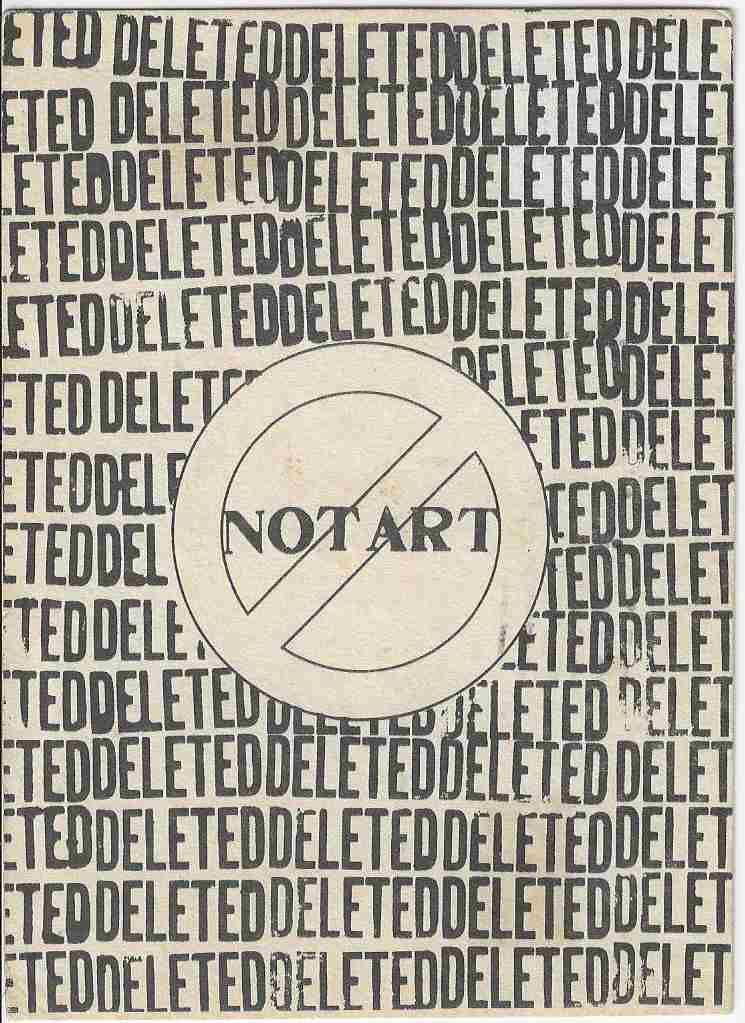
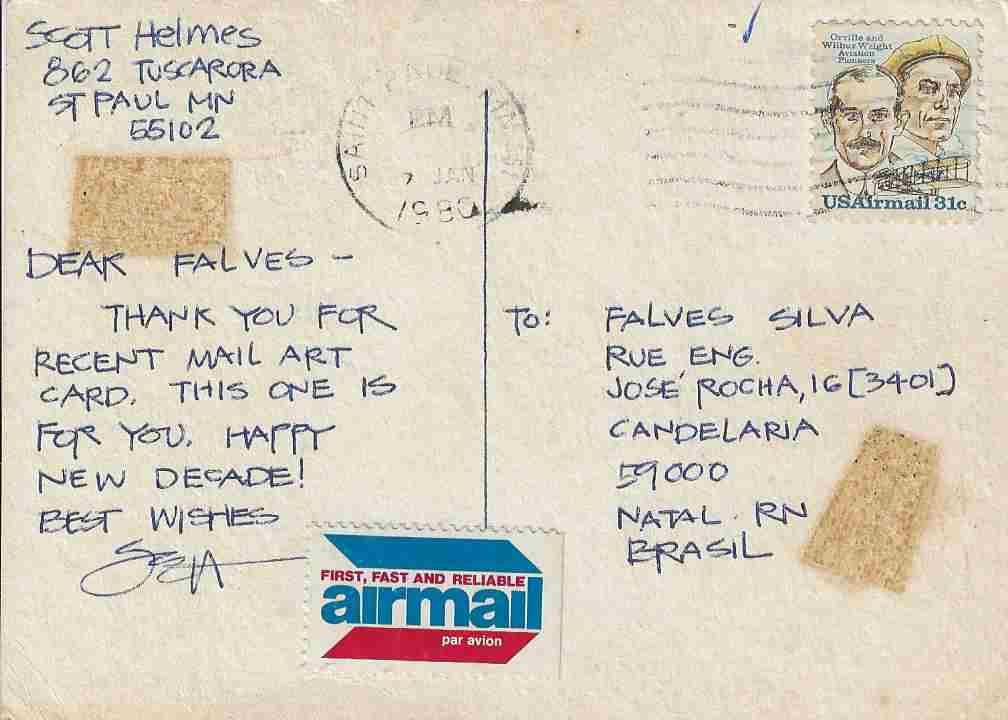
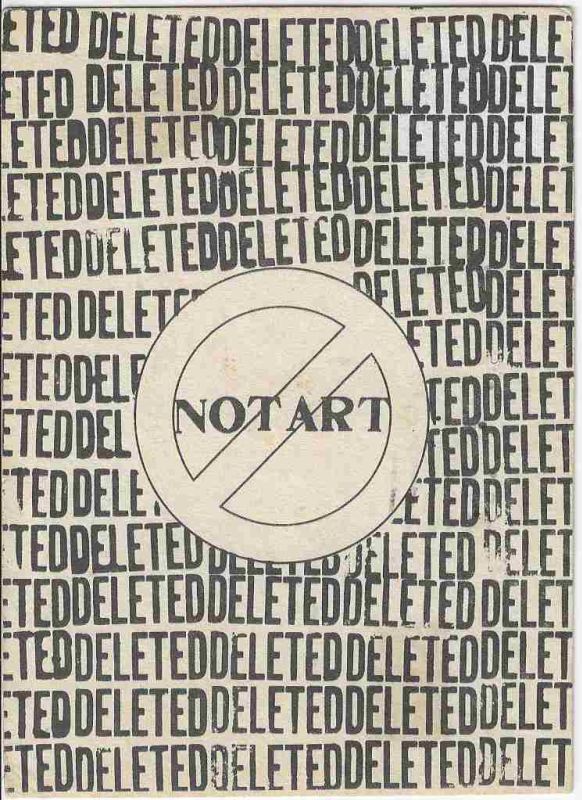
Cartão de arte postal e poesia visual enviado pelo artista norte americano Scott Helmes a Falves Silva, em Natal, Rio Grande do Norte, Brasil, com carimbo postal de 7 de janeiro de 1980.
Scott Helmes - USA
Categoria: Mail Art
Acervo: 03796
Data: 7 de Janeiro de 1980
Dimensões: 9,3 x 12,8 cm
Cartão de arte postal e poesia visual enviado pelo artista norte americano Scott Helmes a Falves Silva, em Natal, Rio Grande do Norte, Brasil, com carimbo postal de 7 de janeiro de 1980. A correspondência documenta diretamente a troca entre dois participantes da rede internacional de Mail Art no início da década de 1980. No verso, Helmes escreve a partir de Saint Paul, Minnesota, agradecendo a Falves Silva pelo recebimento de um cartão de arte postal e informando que envia este trabalho especialmente para ele como saudação à nova década. A mensagem manuscrita registra Dear Falves, Thank you for recent mail art card. This one is for you. Happy New Decade. Best wishes, seguida da assinatura de Scott Helmes. O cartão foi enviado por correio aéreo dos Estados Unidos ao endereço de Falves Silva na Rua Engenheiro José Rocha, Candelária, Natal, RN, Brasil.A face artística apresenta uma composição tipográfica construída pela repetição contínua da palavra DELETE, organizada em linhas que ocupam praticamente toda a superfície. Sobre essa trama verbal aparece um elemento circular central contendo a inscrição NOT ART, atravessada por uma forma gráfica semelhante a um sinal de proibição. A obra articula poesia visual, tipografia experimental, repetição, apropriação da linguagem e reflexão metalinguística sobre a própria definição de arte. A oposição entre DELETE e NOT ART cria um jogo conceitual envolvendo apagamento, negação, comunicação e estatuto artístico, características recorrentes da poesia experimental e das práticas de arte postal do período.Scott Helmes, nascido em 1945, é artista, poeta experimental, fotógrafo e arquiteto ligado a Saint Paul, Minnesota. Desenvolveu desde os anos 1970 trabalhos relacionados à poesia visual, poesia experimental, Mail Art, desenho, impressão, carimbos de borracha, estênceis, manipulação tipográfica, xerografia e colagem. Seu trabalho explora os limites da linguagem escrita, os diferentes modos de leitura e as relações entre letras, tipografia, impressão e comunicação. Fontes especializadas registram sua participação ativa na rede internacional de arte postal e poesia experimental desde a década de 1970. Seu arquivo de escritos produzido entre 1972 e 1997 integra a Avant Writing Collection da Ohio State University Libraries, e trabalhos seus também aparecem na Ruth and Marvin Sackner Archive of Concrete and Visual Poetry.Este cartão constitui documento relevante para a história da Mail Art entre Estados Unidos e Brasil e comprova uma relação direta de intercâmbio entre Scott Helmes e Falves Silva em 1980. A mensagem demonstra que a correspondência fazia parte de uma troca continuada, pois Helmes agradece explicitamente um cartão anteriormente recebido de Falves Silva. A peça integra o contexto internacional de circulação de poesia visual, arte postal, arte conceitual e experimentação gráfica que conectava artistas latino americanos, norte americanos e europeus por meio do sistema postal.ENGLISHText for the Salsa programMail Art and visual poetry postcard sent by American artist Scott Helmes to Falves Silva in Natal, Rio Grande do Norte, Brazil, postmarked January 7, 1980. The correspondence directly documents an exchange between two participants in the international Mail Art network at the beginning of the 1980s. On the reverse, Helmes writes from Saint Paul, Minnesota, thanking Falves Silva for a recently received Mail Art card and stating that he is sending this work especially for him as a greeting for the new decade. The handwritten message reads Dear Falves, Thank you for recent mail art card. This one is for you. Happy New Decade. Best wishes, followed by the signature of Scott Helmes. The postcard was sent by airmail from the United States to Falves Silva at Rua Engenheiro José Rocha, Candelária, Natal, RN, Brazil.The artistic side presents a typographic composition constructed through the continuous repetition of the word DELETE, arranged in rows covering almost the entire surface. Over this verbal field appears a central circular element containing the words NOT ART, crossed by a graphic form resembling a prohibition symbol. The work combines visual poetry, experimental typography, repetition, linguistic appropriation and a metalinguistic reflection on the definition of art itself. The opposition between DELETE and NOT ART establishes a conceptual interplay involving erasure, negation, communication and artistic status, characteristics associated with experimental poetry and Mail Art practices of the period.Scott Helmes, born in 1945, is an artist, experimental poet, photographer and architect associated with Saint Paul, Minnesota. Since the 1970s he has developed work related to visual poetry, experimental poetry, Mail Art, drawing, printmaking, rubber stamps, stencils, typographic manipulation, xerography and collage. His work investigates the limits of written language, multiple forms of reading and the relationships among lettering, typography, printing and communication. Specialized archival sources document his active participation in the international networks of Mail Art and experimental poetry beginning in the 1970s. His writing archive covering the period from 1972 to 1997 is held in the Avant Writing Collection of The Ohio State University Libraries, while examples of his work are also preserved in the Ruth and Marvin Sackner Archive of Concrete and Visual Poetry.This postcard is an important document for the history of Mail Art exchanges between the United States and Brazil and provides direct evidence of correspondence between Scott Helmes and Falves Silva in 1980. The message demonstrates that the card belonged to an ongoing exchange because Helmes explicitly thanks Falves Silva for a Mail Art card previously received. The work belongs to the international context of visual poetry, postal art, conceptual art and graphic experimentation that connected Latin American, North American and European artists through the postal system.
Cartão original de Scott Helmes enviado por correio aéreo de Saint Paul, Minnesota, Estados Unidos, para Falves Silva em Natal, Rio Grande do Norte, Brasil, com carimbo postal de 7 de janeiro de 1980. No verso apresenta mensagem manuscrita de agradecimento pelo cartão de Mail Art anteriormente enviado por Falves Silva e saudação Happy New Decade. Na frente apresenta composição de poesia visual baseada na repetição da palavra DELETE e no elemento central NOT ART. Documento comprobatório de intercâmbio direto entre Scott Helmes e Falves Silva e da participação de ambos na rede internacional de Mail Art no início da década de 1980.Observation textOriginal postcard by Scott Helmes sent by airmail from Saint Paul, Minnesota, United States, to Falves Silva in Natal, Rio Grande do Norte, Brazil, postmarked January 7, 1980. The reverse contains a handwritten message thanking Falves Silva for a previously received Mail Art card and offering the greeting Happy New Decade. The front presents a visual poetry composition based on the repeated word DELETE and the central element NOT ART. Documentary evidence of a direct exchange between Scott Helmes and Falves Silva and of their participation in the international Mail Art network at the beginning of the 1980s.
Proveniência
Coleção Falves SilvaInglês
Mail Art and visual poetry postcard sent by American artist Scott Helmes to Falves Silva in Natal, Rio Grande do Norte, Brazil, postmarked January 7, 1980.
Dimensions: 3,7 x 5 in