M. P. Anker - Michael Peter Anker - Alemanha Oriental
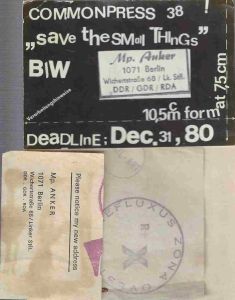
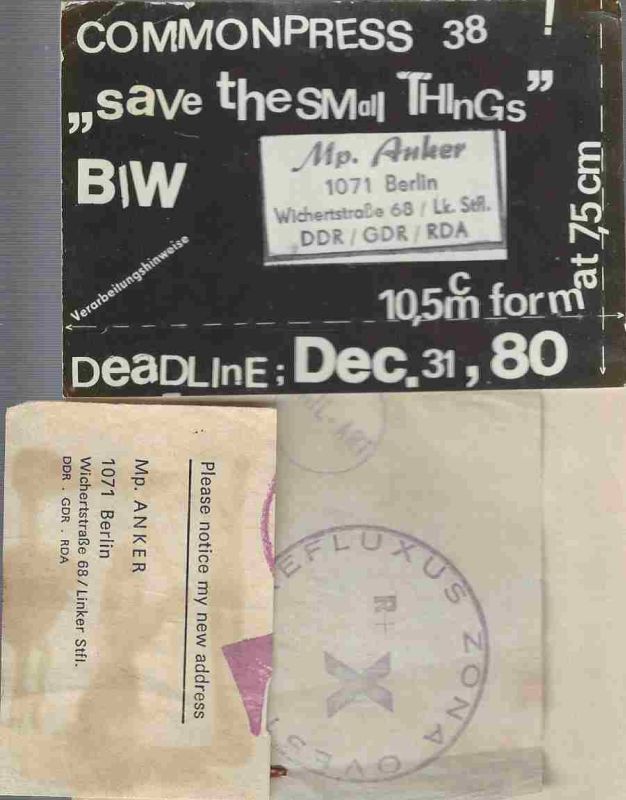 BIOGRAFIA EM PORTUGUÊSMichael Peter Anker, identificado também como M. P. Anker e Mp. Anker, foi um artista gráfico e artista de mail art atuante em Berlim Oriental, então República Democrática Alemã, especialmente documentado no final da década de 1970 e início da década de 1980. Sua produção está relacionada à arte postal, carimbos de artista, serigrafia, colagem, publicação experimental, poesia visual, comunicação gráfica e práticas conceituais baseadas em circulação e intercâmbio. Data e local de nascimento, formação acadêmica e data de falecimento não foram localizados com segurança nas fontes consultadas. A documentação histórica confirma sua inserção na rede internacional de mail art e uma conexão direta com Falves Silva, artista brasileiro historicamente ligado ao Poema Processo.Em 1979 Anker produziu trabalhos hoje preservados na Kunstsammlung da Akademie der Künste de Berlim, dentro da Coleção Deisler. Bürokratischer Abszeß I, datado de 2 de janeiro de 1979, é registrado como cartão de mail art assinado e datado, produzido por meio de colagem de carimbos oficiais. A obra demonstra o interesse de Anker pelos dispositivos administrativos e pela transformação de instrumentos burocráticos em linguagem artística. A utilização de carimbos oficiais deslocados de sua função cotidiana aproxima sua produção da rubber stamp art, da arte conceitual e das estratégias de crítica institucional presentes nas redes de correspondência artística.Outro trabalho documentado é DADA ICON 79, de 29 de abril de 1979, cartão de mail art realizado com serigrafia, carimbo e folha dourada, medindo aproximadamente 10,5 por 14,9 centímetros. A obra também pertence à Coleção Deisler da Akademie der Künste. Esses dois objetos demonstram que Anker combinava diferentes procedimentos gráficos e materiais dentro do formato postal, articulando dadaísmo, reprodução gráfica, carimbo, colagem e circulação de pequenos múltiplos.Sua presença na rede internacional está documentada também em Rubber Stamp Publications, índice publicado em 1980 e preservado pelo Lomholt Mail Art Archive, no qual M. P. Anker aparece entre numerosos artistas envolvidos com carimbos, publicações alternativas e sistemas internacionais de correspondência. O mesmo documento aproxima Anker de nomes como Paulo Bruscky, Henryk Bzdok, Leonhard Frank Duch, Pawel Petasz, Robert Rehfeldt, Tomasz Schulz e outros participantes das redes internacionais de arte postal.Em 1980 M. P. Anker aparece ainda entre os participantes documentados de Commonpress número 28, Drawing Activity, editada por Andrzej Wielgosz em Pozna?, Polônia. O registro situa Anker em uma rede que incluía artistas de numerosos países, entre eles Falves Silva, Paulo Bruscky, Leonhard Frank Duch, Robert Rehfeldt, Jiri Valoch, Tomasz Schulz, Vittore Baroni e outros nomes relevantes da arte postal e da poesia visual. Essa presença é importante porque demonstra que Anker e Falves Silva já compartilhavam circuitos internacionais de circulação antes ou durante a organização de Commonpress número 38.O projeto mais claramente identificado com Michael Peter Anker é Commonpress número 38, Save the Small Things. Commonpress foi uma publicação internacional de mail art criada por Pawel Petasz em 1977 e organizada segundo um princípio editorial descentralizado. Diferentes artistas da rede assumiam números sucessivos, estabelecendo tema, formato, prazo e condições de participação. Michael Peter Anker foi responsável pelo número 38, organizado em Berlim Oriental em 1980. A documentação do Artpool Art Research Center registra a edição como publicada em 31 de dezembro de 1980, com 24 páginas e 66 participantes.A convocatória de Save the Small Things solicitava trabalhos em preto e branco com aproximadamente 10,5 por 7,5 centímetros e prazo final de 31 de dezembro de 1980. Fontes da época registram o endereço de M. P. Anker como Wichertstraße 68, 1071 Berlin, República Democrática Alemã. Essa exigência de pequeno formato estava diretamente ligada ao conceito da edição e ao princípio de circulação econômica, portátil e internacional característico da mail art.A publicação resultante teve também uma apresentação vinculada à Fachschule für Werbung und Gestaltung em Berlim, documentada para 1981. O Atlas de Géza Perneczky e pesquisa posterior sobre Commonpress registram essa exposição associada a Save the Small Things, oferecendo evidência de que o projeto ultrapassou a simples correspondência postal e alcançou uma forma de apresentação pública e documental.A relação entre Michael Peter Anker e Falves Silva é comprovada por documentação postal preservada no acervo relacionado ao Poema Processo. Falves recebeu de Anker uma convocatória ou documentação relativa a Commonpress 38, Save the Small Things. O cartão apresenta o endereço de Anker em Berlim Oriental e o endereço de Falves Silva em Natal, Rio Grande do Norte. Essa peça demonstra contato direto entre os dois artistas e insere Falves Silva na rede editorial construída em torno de Commonpress.A presença de Falves Silva nesse circuito possui importância histórica específica. Falves foi participante do Poema Processo e desenvolveu intensa atividade em arte postal, publicação experimental, poesia visual e comunicação gráfica. O envio de Anker demonstra como artistas ligados ao Poema Processo participaram de redes internacionais que incluíam Europa Oriental, Europa Ocidental, América Latina e outros territórios.Não foi localizada comprovação de que Michael Peter Anker tenha participado formalmente do movimento Poema Processo. Sua relação com esse campo deve ser definida como uma conexão documental e de rede, estabelecida por contato direto com Falves Silva, participação em circuitos internacionais compartilhados e atuação em áreas próximas, como poesia visual, mail art, publicação experimental, carimbos de artista e comunicação conceitual.A relevância histórica de Anker foi posteriormente reconhecida institucionalmente. Em 2013 a Akademie der Künste de Berlim realizou a exposição Arte Postale. Bilderbriefe, Künstlerpostkarten, Mail Art. Material educativo da instituição utilizou Bürokratischer Abszeß I, de Michael Peter Anker, como uma das imagens representativas do programa relacionado à exposição. Sua presença nesse contexto confirma a incorporação de sua produção à narrativa museológica sobre a história da arte postal alemã e internacional.Michael Peter Anker deve ser compreendido como participante da geração de artistas que transformou o sistema postal em meio de produção, publicação, distribuição e relacionamento. Sua obra documentada articula carimbo, serigrafia, colagem, pequenos formatos, convocações e publicações coletivas. A ligação com Falves Silva permite conectar Berlim Oriental ao Brasil e ao campo histórico do Poema Processo, constituindo fonte importante para o estudo das redes transnacionais de arte experimental durante a Guerra Fria.