Birger Jesch - Alemanha
Local de nascimento: Dresden, então República Democrática Alemanha
Data de nascimento: 1953
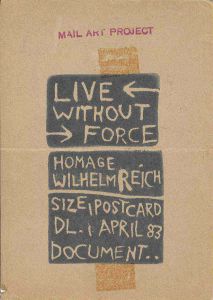
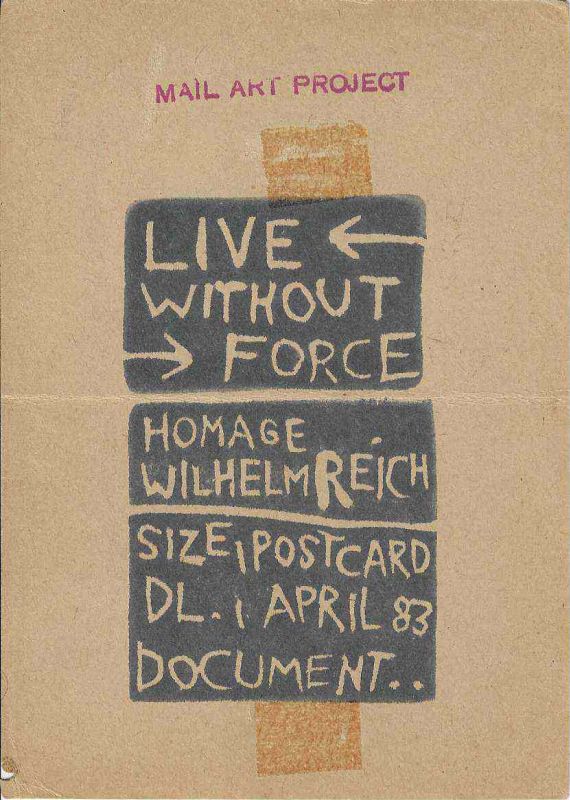
BIOGRAFIA EM PORTUGUÊSBirger Jesch nasceu em 1953 em Dresden, então República Democrática Alemã, e é um artista alemão ligado à arte postal, poesia concreta, arte conceitual, arte de ação, fotografia, gráfica, livro de artista, colagem, projetos colaborativos e práticas documentais. Desde 1979 participa ativamente da rede internacional de mail art, tornando se uma figura importante para a compreensão das redes artísticas independentes desenvolvidas na Alemanha Oriental durante a Guerra Fria. Sua trajetória conecta a produção experimental da República Democrática Alemã a circuitos internacionais de correspondência artística que alcançaram Europa, América Latina, América do Norte e outros territórios. Dentro desse sistema transnacional encontram se também artistas brasileiros como Leonhard Frank Duch e Falves Silva, ambos documentados em circuitos internacionais nos quais Jesch esteve presente. Não foi localizada, nas fontes públicas consultadas para este cadastro, comprovação suficiente para afirmar que Jesch integrou formalmente o movimento Poema Processo. Sua relação com esse campo ocorre sobretudo através da rede internacional de arte postal e da circulação compartilhada com artistas brasileiros ligados à poesia experimental e ao Poema Processo.Entre 1962 e 1965 Jesch viveu no Unitäts Kinderheim da comunidade Herrnhuter Brüdergemeine. Em 1969 iniciou formação profissional como pintor e posteriormente trabalhou também para a Deutsche Reichsbahn. Desde o início da década de 1970 esteve em contato com diferentes ambientes de subcultura da Alemanha Oriental. Essa experiência fora das estruturas oficiais de produção cultural contribuiu para sua aproximação com formas alternativas de comunicação, circulação e criação artística.Em 1976 Jesch já havia entrado em conflito com os órgãos de segurança da Alemanha Oriental depois de uma ação noturna utilizando pochoir. A partir de 1979 iniciou sua participação sistemática na rede internacional de mail art. Em Dresden formou uma pequena rede local de artistas postais com Jürgen Gottschalk, Martina Giersch, Steffen Giersch e Joachim Stange. Robert Rehfeldt foi uma referência fundamental para a expansão desses contatos, transmitindo aos artistas de Dresden endereços internacionais que permitiam estabelecer correspondências além das fronteiras da República Democrática Alemã.A arte postal possuía especial significado político na Alemanha Oriental. Cartões, cartas, colagens, carimbos, fotografias, impressos e convocatórias permitiam aos artistas estabelecer redes independentes da política cultural estatal. Para Jesch e seus colaboradores, o correio transformou se simultaneamente em meio artístico, instrumento de comunicação e estrutura de circulação internacional. Temas como pacifismo, liberdade de expressão, democracia, ecologia e crítica social podiam circular por essas redes mesmo quando encontravam fortes limitações no espaço público oficial.No verão de 1980 Jesch iniciou International Contact with Mail Art in the Spirit of Peaceful Coexistence, seu primeiro grande projeto internacional de arte postal. O artista enviou aproximadamente duzentos alvos de tiro da Alemanha Oriental para diferentes participantes, convidando os destinatários a intervir nas peças e devolvê las. Cinquenta e um participantes estão registrados na documentação preservada pelo Artpool. O conjunto foi apresentado em fevereiro de 1981 na Weinbergskirche em Dresden e posteriormente circulou por outros espaços ligados a redes religiosas e pacifistas, incluindo Radebeul, Meißen, Greifswald e Rostock. A exposição é apontada por estudos recentes como o primeiro projeto de mail art apresentado publicamente e sem censura prévia naquele contexto da República Democrática Alemã.A dimensão crítica dessas atividades provocou reação do Ministerium für Staatssicherheit. Em outubro de 1981 foi aberto o procedimento conhecido como OV Feind contra Birger Jesch, Jürgen Gottschalk, Joachim Stange, Martina Giersch e Steffen Giersch. A rede de correspondência internacional, os projetos pacifistas e outras atividades consideradas independentes pelo Estado passaram a ser monitorados. A documentação preservada demonstra como a mail art na Alemanha Oriental podia ultrapassar a esfera estética e assumir função social e política.A partir de 1982 Jesch passou também a colaborar com edições gráficas autônomas como und, spinne e Entwerter oder. Seus campos de trabalho consolidaram se em torno da poesia concreta, arte de ação e arte conceitual, além de fotografia, gráfica, instalação, livro de artista e sistemas de colaboração por correspondência. Seus projetos frequentemente incorporam documentos cotidianos, materiais encontrados, fragmentos gráficos, palavras, imagens, carimbos e processos de participação coletiva.A relação de Birger Jesch com a América Latina pode ser demonstrada pela própria estrutura internacional da mail art. Em setembro de 1983 o catálogo da Exposicion International de Arte Correo organizada pela AEBU em Montevidéu, Uruguai, registra Birger Jesch entre os participantes e relaciona também diversos artistas brasileiros e latino americanos, entre eles Leonhard Frank Duch, Falves Silva, Wlademir Dias Pino, Paulo Bruscky, Avelino de Araújo e Clemente Padín. Esse documento é particularmente relevante para compreender a proximidade histórica entre Jesch, Frank Duch e Falves Silva dentro de uma mesma rede internacional de circulação de arte postal. O catálogo comprova participação em um circuito compartilhado, embora isoladamente não permita afirmar correspondência direta entre Jesch e cada um desses artistas.Leonhard Frank Duch, nascido em Berlim em 1940 e radicado no Brasil desde 1951, foi um participante destacado da mail art brasileira entre 1975 e 1994. Sua presença nas mesmas redes internacionais que Jesch cria uma conexão importante entre os ambientes experimentais da Alemanha e do Brasil. Falves Silva, por sua vez, possui papel histórico no Poema Processo e também atuou intensamente nos circuitos de arte postal. Assim, a relação de Birger Jesch com Frank Duch e Falves Silva deve ser compreendida dentro do funcionamento descentralizado da mail art, baseado em listas de endereços, convocações, exposições coletivas, cartões, publicações, arquivos e correspondências transnacionais.A documentação disponível apresenta divergência sobre a data de mudança de Jesch para a Turíngia. Fontes vinculadas ao Verband Bildender Künstler Thüringen registram 1984, enquanto a Robert Havemann Gesellschaft e outras fontes relacionadas à história da oposição na Alemanha Oriental registram 1986. Diante dessa divergência, não é apropriado fixar uma única data sem documentação adicional. Na década de 1990 o artista estabeleceu residência na região de Weimar e continuou desenvolvendo projetos de mail art, arte conceitual e investigação documental.Entre seus projetos de arte postal e colaboração encontram se Please stamp for me, desenvolvido entre 1980 e 1990, Collective Collages, entre 1981 e 1992, Alles noch beim Alten, Offene Briefe e Hommage à Wilhelm Reich, de 1982, The darkside of your moonfaces, realizado entre 1984 e 1987, Collective Linolcut, de 1989, Your favorite pornography, relacionado a Commonpress 100 em 1989, Partisan d Amour, desenvolvido entre 1995 e 2000, The Blue Room, entre 1997 e 2000, Springfullmoon, de 1998, Trikoloren, iniciado em 1999, Das Schattenalbum, iniciado em 2007, e Stille Post, desenvolvido em 2015 e 2016.Em março de 1990, no contexto das primeiras eleições livres da República Democrática Alemã, Jesch realizou o projeto de anúncios pessoais que posteriormente passou a ser apresentado como Sammlung Anna Blume. O conjunto foi exibido em Weimar, Waren, Berlim e Dresden em diferentes momentos entre 1999 e 2004. O projeto constitui um exemplo de seu interesse por documentos cotidianos, comunicação social, identidade, memória e participação.Outro projeto de destaque é Gazetta. Desenvolvido a partir de jornais internacionais, o projeto mobilizou 204 participantes de quarenta países segundo documentação publicada sobre a rede de arte postal. Gazetta foi apresentado em Rudolstadt e Schwerin em 1996 e posteriormente em Eislingen em 2005. O projeto demonstra a continuidade do interesse de Jesch pela comunicação de massa, pelos sistemas internacionais de informação e pela transformação de materiais impressos cotidianos em estruturas de colaboração artística.Em 2004 Jesch passou a trabalhar profissionalmente como artista gráfico e integrou o Verband Bildender Künstler Thüringen. Desenvolveu uma Portraitwerkstatt com especial atenção ao retrato em silhueta e continuou investigando processos tradicionais de decoração por rolos de padrões históricos. Sua prática passou a articular mais intensamente investigação histórica, preservação de técnicas artesanais, desenho de espaços, memória documental e arte conceitual.Em 2007 apresentou com Jürgen O. Olbrich o projeto PING PONG no ACC Galerie de Weimar. A exposição examinou cerca de vinte e cinco anos de colaboração entre os dois artistas e reuniu trabalhos construídos através da circulação postal. No projeto Collective Collages, quarenta objetos receberam intervenções iniciais e foram enviados a participantes internacionais. Dezessete retornaram a Jesch e treze foram apresentados na exposição. Entre os artistas envolvidos esteve Ray Johnson, fundador da New York Correspondance School. O projeto evidencia a metodologia colaborativa de Jesch e sua compreensão da obra como processo aberto de circulação e transformação.Em 2017 a exposição Korrespondenzen, realizada em Schloss Burgk, apresentou uma visão ampla de sua produção. No mesmo período continuaram projetos como Das Schattenalbum e Raumtransformationen. Em 2023 Birger Jesch voltou a integrar uma revisão histórica da mail art de Dresden na exposição Aus dem Elbtal in die Welt und wieder zurück, no Kunsthaus Raskolnikow, juntamente com Martina e Steffen Giersch, Jörg Sonntag, Joachim Stange e Jürgen Gottschalk. A exposição situou essas práticas no contexto da produção independente e da circulação internacional desenvolvidas entre 1980 e 1990.O arquivo pessoal de Birger Jesch depositado na Robert Havemann Gesellschaft conserva documentação referente ao período de 1979 a 1990, incluindo 104 reproduções coloridas de cartões de mail art enviados por ele ou recebidos por ele. Entre os correspondentes identificados estão Joachim Stange, Robert Rehfeldt, Jürgen Gottschalk, Martina e Steffen Giersch e Lutz Wohlrab. O arquivo constitui fonte fundamental para reconstruir sua rede de comunicação e a história política da mail art na República Democrática Alemã.Birger Jesch ocupa uma posição relevante na história da arte postal europeia porque sua produção demonstra como o correio pôde funcionar simultaneamente como suporte artístico, meio de comunicação, rede social internacional e instrumento de resistência cultural. Para os estudos do acervo Poema Processo, sua trajetória é particularmente significativa por permitir conectar Dresden e a antiga Alemanha Oriental a redes internacionais nas quais circularam Leonhard Frank Duch, Falves Silva, Wlademir Dias Pino, Paulo Bruscky e outros artistas latino americanos. A documentação disponível sustenta uma relação de rede e circulação compartilhada com esse campo, enquanto uma eventual correspondência direta específica com Frank Duch ou Falves Silva deverá ser estabelecida individualmente por cartas, cartões ou outros documentos de proveniência conservados em acervos.
English
BIOGRAPHY IN ENGLISHBirger Jesch was born in Dresden in 1953, then in the German Democratic Republic, and is a German artist associated with mail art, concrete poetry, conceptual art, action art, photography, graphic art, artists books, collage, collaborative projects and documentary practices. Since 1979 he has been an active participant in the international mail art network and has become an important figure for understanding independent artistic networks developed in East Germany during the Cold War. His career connects experimental production in the German Democratic Republic with international correspondence networks extending throughout Europe, Latin America, North America and other regions. Brazilian artists Leonhard Frank Duch and Falves Silva are documented within international circuits in which Jesch also participated. The public sources consulted for this entry do not provide sufficient evidence to identify Jesch as a formal member of the Process Poem Movement. His relationship with this field is primarily established through the international mail art network and through shared circulation with Brazilian artists associated with experimental poetry and the Process Poem Movement.Between 1962 and 1965 Jesch lived at the Unitäts Kinderheim of the Herrnhuter Brüdergemeine. In 1969 he began professional training as a painter and later also worked for the Deutsche Reichsbahn. From the beginning of the 1970s he experienced different East German subcultural environments. These experiences outside official cultural structures contributed to his engagement with alternative forms of artistic communication, production and circulation.By 1976 Jesch had already come into conflict with East German security authorities following a nighttime pochoir action. In 1979 he began his systematic participation in the international mail art network. In Dresden he formed a local network with Jürgen Gottschalk, Martina Giersch, Steffen Giersch and Joachim Stange. Robert Rehfeldt played an important role in the development of these contacts by providing the Dresden artists with international addresses through which artistic correspondence could cross the borders of the German Democratic Republic.Mail art carried particular political significance in East Germany. Postcards, letters, collages, rubber stamps, photographs, printed matter and project invitations allowed artists to establish networks independent of official cultural policy. For Jesch and his collaborators, the postal system became simultaneously an artistic medium, a communication structure and an international distribution system. Subjects including pacifism, freedom of expression, democracy, ecology and social criticism could circulate through these networks even when they faced severe restrictions within official public culture.During the summer of 1980 Jesch initiated International Contact with Mail Art in the Spirit of Peaceful Coexistence, his first major international mail art project. Approximately two hundred East German shooting targets were sent to participants who were invited to alter and return them. Fifty one participants are recorded in documentation preserved by Artpool. The project was exhibited in February 1981 at the Weinbergskirche in Dresden and subsequently circulated through spaces associated with church based peace networks, including Radebeul, Meißen, Greifswald and Rostock. Recent research identifies it as the first mail art project publicly exhibited without prior censorship in this context within the German Democratic Republic.The critical dimension of these activities attracted the attention of the Ministerium für Staatssicherheit. In October 1981 the surveillance procedure known as OV Feind was opened against Birger Jesch, Jürgen Gottschalk, Joachim Stange, Martina Giersch and Steffen Giersch. Their international correspondence, pacifist projects and other independent cultural activities became objects of state surveillance. The surviving documentation demonstrates how mail art in East Germany could move beyond purely aesthetic activity and acquire social and political functions.From 1982 onward Jesch also contributed to autonomous original graphic editions including und, spinne and Entwerter oder. His fields of activity developed around concrete poetry, action art and conceptual art, together with photography, graphic art, installation, artists books and postal collaboration systems. His projects frequently incorporate everyday documents, found material, graphic fragments, words, images, stamps and collective participation.Jeschs relationship with Latin America can be demonstrated through the international structure of mail art itself. In September 1983 the catalogue of the Exposicion International de Arte Correo organized by AEBU in Montevideo, Uruguay, records Birger Jesch among the participants together with numerous Brazilian and Latin American artists, including Leonhard Frank Duch, Falves Silva, Wlademir Dias Pino, Paulo Bruscky, Avelino de Araújo and Clemente Padín. This document is particularly significant for understanding the historical proximity of Jesch, Frank Duch and Falves Silva within the same international network of postal art circulation. The catalogue confirms participation in a shared network, although by itself it does not establish direct correspondence between Jesch and each of these artists.Leonhard Frank Duch, born in Berlin in 1940 and resident in Brazil from 1951, was an important participant in Brazilian mail art from 1975 to 1994. His presence within networks also involving Jesch provides an important connection between experimental artistic environments in Germany and Brazil. Falves Silva played a historical role in the Process Poem Movement and was also active in postal art networks. The relationship between Birger Jesch, Frank Duch and Falves Silva should therefore be understood within the decentralized functioning of mail art through address lists, project calls, group exhibitions, postcards, publications, archives and transnational correspondence.Available documentation differs concerning the year in which Jesch moved to Thuringia. Sources connected to the Verband Bildender Künstler Thüringen record 1984, while the Robert Havemann Gesellschaft and other sources devoted to the history of East German opposition give 1986. Because of this documentary divergence, a single date should not be imposed without additional evidence. During the 1990s Jesch established himself in the Weimar region and continued to develop mail art, conceptual projects and documentary investigations.His mail art and collaborative projects include Please stamp for me, developed from 1980 to 1990, Collective Collages, from 1981 to 1992, Alles noch beim Alten, Offene Briefe and Hommage à Wilhelm Reich in 1982, The darkside of your moonfaces from 1984 to 1987, Collective Linolcut in 1989, Your favorite pornography associated with Commonpress 100 in 1989, Partisan d Amour from 1995 to 2000, The Blue Room from 1997 to 2000, Springfullmoon in 1998, Trikoloren beginning in 1999, Das Schattenalbum beginning in 2007 and Stille Post developed in 2015 and 2016.In March 1990, during the period of the first free elections in the German Democratic Republic, Jesch carried out a personal advertisements project that later became publicly presented as Sammlung Anna Blume. The project was exhibited in Weimar, Waren, Berlin and Dresden at different moments between 1999 and 2004. It exemplifies his interest in everyday documents, social communication, identity, memory and participation.Another major project is Gazetta. Developed from international newspapers, the project involved 204 participants from forty countries according to published documentation on the postal art network. Gazetta was presented in Rudolstadt and Schwerin in 1996 and later in Eislingen in 2005. The project demonstrates Jeschs continuing engagement with mass communication, international information systems and the transformation of everyday printed material into structures for collaborative art.In 2004 Jesch began working professionally as a graphic artist and became a member of the Verband Bildender Künstler Thüringen. He established a Portraitwerkstatt with particular emphasis on silhouette portraiture and continued to investigate traditional interior decoration using historical pattern rollers. His practice increasingly combined historical research, the preservation of craft techniques, spatial design, documentary memory and conceptual art.In 2007 he presented PING PONG with Jürgen O. Olbrich at ACC Galerie in Weimar. The exhibition examined approximately twenty five years of collaboration between the two artists and included works constructed through postal circulation. In Collective Collages, forty initially prepared objects were sent to international participants. Seventeen eventually returned to Jesch and thirteen were shown in the exhibition. Participants included Ray Johnson, founder of the New York Correspondance School. The project demonstrates Jeschs collaborative methodology and his understanding of the artwork as an open process of circulation and transformation.In 2017 the exhibition Korrespondenzen at Schloss Burgk presented a broad overview of his production. Projects including Das Schattenalbum and Raumtransformationen continued during this period. In 2023 Jesch was included in the historical exhibition Aus dem Elbtal in die Welt und wieder zurück at Kunsthaus Raskolnikow together with Martina and Steffen Giersch, Jörg Sonntag, Joachim Stange and Jürgen Gottschalk. The exhibition reconsidered Dresden mail art in the context of independent production and international circulation between 1980 and 1990.Birger Jeschs personal archival materials at the Robert Havemann Gesellschaft cover the period from 1979 to 1990 and include 104 color reproductions of mail art cards sent by or addressed to him. Documented correspondents include Joachim Stange, Robert Rehfeldt, Jürgen Gottschalk, Martina and Steffen Giersch and Lutz Wohlrab. This archive is a major source for reconstructing his communication network and the political history of mail art in the German Democratic Republic.Birger Jesch occupies an important position in the history of European mail art because his practice demonstrates how the postal system could function simultaneously as artistic support, communication medium, international social network and instrument of cultural resistance. For research connected with the Poema Processo archive, his career is particularly significant because it connects Dresden and the former East Germany with international networks in which Leonhard Frank Duch, Falves Silva, Wlademir Dias Pino, Paulo Bruscky and other Latin American artists circulated. Current documentation supports a relationship based on shared networks and artistic circulation, while any specific direct correspondence with Frank Duch or Falves Silva should be established individually through letters, cards or provenance documents preserved in archives.
Currículo
CURRÍCULO EM PORTUGUÊSIDENTIFICAÇÃONome: Birger JeschNascimento: 1953Local de nascimento: Dresden, Alemanha, então República Democrática AlemãNacionalidade: alemãÁreas de atuação: mail art, arte postal, poesia concreta, arte conceitual, arte de ação, fotografia, gráfica, instalação, livro de artista, colagem, arte colaborativa, investigação documental, silhueta, pochoir e intervenção espacialPeríodo de atividade documentado: desde a década de 1970Participação na rede internacional de mail art: desde 1979Relação com Poema Processo: conexão indireta e documental através da rede internacional de mail art e da circulação compartilhada com Falves Silva, Leonhard Frank Duch, Wlademir Dias Pino e outros artistas brasileiros. Não localizada comprovação de participação formal de Birger Jesch no movimento Poema Processo.FORMAÇÃO E PRIMEIRAS ATIVIDADES1962 a 1965: permanência no Unitäts Kinderheim da Herrnhuter Brüdergemeine.1969: formação profissional como pintor.Década de 1970: trabalho em diferentes atividades, incluindo atuação na Deutsche Reichsbahn, e participação em ambientes de subcultura da República Democrática Alemã.1976: primeiro confronto documentado com órgãos de segurança após ação noturna utilizando pochoir.1979: ingresso ativo na rede internacional de mail art.MOVIMENTOS, REDES E ARTISTAS RELACIONADOSDesde 1979: rede internacional de mail art.Rede de Dresden: Jürgen Gottschalk, Martina Giersch, Steffen Giersch, Joachim Stange e Birger Jesch.Relação histórica com Robert Rehfeldt através do desenvolvimento da rede de contatos internacionais na Alemanha Oriental.Relações internacionais documentadas pela circulação em projetos e exposições com artistas de numerosos países.Conexão brasileira documentada em circuitos internacionais envolvendo Leonhard Frank Duch, Falves Silva, Wlademir Dias Pino, Paulo Bruscky e outros participantes.1983: participação comum de Birger Jesch, Leonhard Frank Duch e Falves Silva na Exposicion International de Arte Correo organizada pela AEBU em Montevidéu, Uruguai.PROJETOS DE MAIL ART E ARTE CONCEITUAL1980 a 1990: Please stamp for me.1980 a 1981: International Contact with Mail Art in the Spirit of Peaceful Coexistence.1981 a 1992: Collective Collages.1982: Alles noch beim Alten.1982: Offene Briefe.1982: Hommage à Wilhelm Reich.1984 a 1987: The darkside of your moonfaces.1989: Collective Linolcut.1989: Your favorite pornography, Commonpress 100.1990: projeto de anúncios pessoais posteriormente denominado Sammlung Anna Blume.1995 a 2000: Partisan d Amour.1995: Gazetta, com desenvolvimento expositivo posterior.1997 em diante: Communication Breakdown.1997 a 2000: The Blue Room.1998: Springfullmoon.1999 em diante: Trikoloren.2007 em diante: Das Schattenalbum.2007 em diante: Raumtransformationen.2015 e 2016: Stille Post.EDIÇÕES E PUBLICAÇÕES DE ARTISTADesde 1982: participação nas edições gráficas autônomas und, spinne e Entwerter oder.2001: Sammlung Anna Blume, pasta serigráfica, 50 por 70 centímetros, edição de 29 exemplares.2005: my generation, edição em dupla com Christian Hussel, quatro projetos em técnicas mistas, tiragem de 20 exemplares.2006 e 2007: Ping Pong, edição artística realizada com Jürgen O. Olbrich, incluindo Das Weimar Album, Das Kassel Album, folhas de selos de artista e colagens originais, tiragem documentada de dez exemplares de cada edição.2006: Marktplatz, edição serigráfica composta por nove gráficos de silhuetas.2007: Streifzüge Roadworks, DVD com fotografia de rua e som de Rod Summers.2017: Silvesteredition, edição de cinco exemplares contendo colagem assinada, retratos em formato postal e convites de exposição.EXPOSIÇÕES E APRESENTAÇÕES DOCUMENTADAS1981: International Contact with Mail Art in the Spirit of Peaceful Coexistence, Weinbergskirche, Dresden. Posteriormente circulação por Radebeul, Meißen, Greifswald e Rostock.1981: Schießscheiben, Dresden.1982: Schießscheiben, Greifswald.1983: Exposicion International de Arte Correo, AEBU, Montevidéu, Uruguai. Participação em exposição internacional que também registra Leonhard Frank Duch e Falves Silva.1996: Schießscheiben, Berlim.1996: Schießscheiben, Schwerin.1996: Gazetta, Rudolstadt.1996: Gazetta, Schwerin.1998: Springfullmoon, Erfurt.1999: Sammlung Anna Blume, Weimar.2000: Sammlung Anna Blume, Waren.2001: Sammlung Anna Blume, Berlim.2002: Sammlung Anna Blume, Dresden.2004: Sammlung Anna Blume, Weimar.2004: Lumpi, Krassi, Hippi, Weimar.2005: Gazetta, Eislingen.2005: Lumpi, Krassi, Hippi, Dresden.2005: Trikoloren, Plauen.2005: my generation, Dresden.2005: Psalter und Harfe, Annaberg.2006: Schwarz auf Weiss, Kemenate Reinstädt.2006: Rotation, fotografia e objetos, Verband Bildender Künstler Thüringen, de 6 de março a 28 de maio.2007: PING PONG, Collective Collages, ACC Galerie, Weimar, de 27 de janeiro a 18 de março, com Jürgen O. Olbrich.2008: PING PONG, Kunsttempel, Kassel.2017: Korrespondenzen, Schloss Burgk.2017 a 2018: Stille Post, Kunstkeller Annaberg.2023: Aus dem Elbtal in die Welt und wieder zurück, Kunsthaus Raskolnikow, Dresden, exposição sobre mail art em Dresden entre 1980 e 1990.EXPOSIÇÕES COLETIVAS E CONTEXTOS INSTITUCIONAIS ADICIONAIS DOCUMENTADOSParticipação documentada em Arte Postale, Akademie der Künste, Berlim.Participação documentada em MACHT KUNST, Thüringer Landtag, Erfurt.Participação documentada em ZITAT SALAT, Kunstzone M1, Gera.Participação documentada em KAUFMUT, Jenaer Kunstverein.Participação documentada em Außer Kontrolle, Schloss Güstrow.Participação documentada em Künstler Mäzene Sponsoren, Kunstforum Gotha.Participação documentada em These Antithese, Erfurt, Gotha e Schloss Burgk.OBRAS DE MAIL ART EM COLEÇÕESInterBeton, cartão de mail art com imagem da Prager Straße e do Interhotel Newa em Dresden, trabalho fotográfico com aplicação de pigmento dourado, preservado em coleção apresentada pela Akademie der Künste.nature is life, cartão de mail art relacionado à Prager Straße em Dresden, trabalho fotográfico com negativo de filme montado e impressão por carimbo, preservado em coleção apresentada pela Akademie der Künste.TEXTOS E PUBLICAÇÕES2012: Rollstempeltechnik im modernen Kontext, publicado em Coviss, número 5.2014: Der Rollstempeldruck in der Raumdekoration des 20. Jahrhunderts, publicado em Restaurator im Handwerk, número 3.2014: Mit Pfauenauge und Bärentatzen, Regionalgeschichtliches aus dem Malerhandwerk, publicado em Blankenhain Jahrbuch.ATUAÇÃO PROFISSIONAL POSTERIOR2004: início da atuação profissional autônoma como artista gráfico.2004: associação ao Verband Bildender Künstler Thüringen.A partir dos anos 2000: desenvolvimento da Portraitwerkstatt, com foco em retratos de silhueta.Desde 2007: desenvolvimento de Das Schattenalbum.Desde 2007: Raumtransformationen, intervenções em ambientes por meio de ornamentação, cores e técnicas relacionadas a rolos decorativos históricos.Desde 1989: Streifzüge, projeto de fotografia de rua.ARQUIVOS E FUNDOS DOCUMENTAISRobert Havemann Gesellschaft, Berlim: fundo Birger Jesch, período de 1979 a 1990, contendo 104 reproduções coloridas de cartões de arte postal enviados por ele ou destinados a ele. Correspondentes identificados incluem Joachim Stange, Robert Rehfeldt, Jürgen Gottschalk, Martina Giersch, Steffen Giersch e Lutz Wohlrab.Artpool Art Research Center: documentação de International Contact with Mail Art in the Spirit of Peaceful Coexistence, incluindo convocatória, lista de participantes, obras originais e documentação da exposição.Lomholt Mail Art Archive: documentação biográfica, projetos, correspondências e registros internacionais relacionados a Birger Jesch.Akademie der Künste, Berlim: documentação e obras de mail art de Jesch apresentadas no contexto de Arte Postale.RELAÇÃO COM FRANK DUCH, FALVES SILVA E O BRASIL1983: Birger Jesch, Leonhard Frank Duch e Falves Silva constam no catálogo da Exposicion International de Arte Correo em Montevidéu. O mesmo documento inclui Wlademir Dias Pino, Paulo Bruscky, Avelino de Araújo e numerosos artistas de outros países. Esse registro estabelece de maneira objetiva que Jesch, Duch e Falves participaram de uma mesma estrutura internacional de circulação de arte postal.Leonhard Frank Duch: artista nascido em Berlim em 1940, radicado no Brasil desde 1951 e ativo na rede de mail art entre 1975 e 1994.Falves Silva: artista brasileiro historicamente associado ao Poema Processo e participante das redes de arte postal. A documentação consultada confirma sua presença em circuito internacional compartilhado com Jesch em 1983. Correspondência direta entre ambos não foi localizada nas fontes públicas consultadas e deverá ser comprovada por documentação específica de acervo.CRONOLOGIA1953: nascimento em Dresden.1962 a 1965: Unitäts Kinderheim da Herrnhuter Brüdergemeine.1969: formação como pintor.1976: ação com pochoir e primeiro confronto documentado com órgãos de segurança.1979: ingresso na rede internacional de mail art.1980: início de International Contact with Mail Art in the Spirit of Peaceful Coexistence.1981: exposição do projeto em Dresden e abertura posterior do procedimento OV Feind.1982: participação em und, spinne e Entwerter oder e desenvolvimento de diversos projetos postais.1983: participação em Exposicion International de Arte Correo em Montevidéu, em circuito que inclui Frank Duch e Falves Silva.1984 ou 1986: mudança para a Turíngia segundo fontes divergentes.1989: Collective Linolcut e Commonpress 100.1990: origem de Sammlung Anna Blume.1992: residência documentada na região de Weimar.1995: desenvolvimento de Gazetta e Partisan d Amour.1996: exposições de Gazetta e Schießscheiben.1997: início de Communication Breakdown e The Blue Room.1998: Springfullmoon.1999: início de Trikoloren e apresentação de Sammlung Anna Blume em Weimar.2001: edição serigráfica de Sammlung Anna Blume.2004: atuação profissional autônoma como artista gráfico e associação ao VBK Thüringen.2005: my generation, Trikoloren, Psalter und Harfe e outros projetos.2007: PING PONG no ACC Galerie e início de Das Schattenalbum e Raumtransformationen.2017: Korrespondenzen em Schloss Burgk.2017 e 2018: Stille Post em Annaberg.2023: Aus dem Elbtal in die Welt und wieder zurück em Dresden.2026: continuidade de projetos colaborativos de colagem e participação ativa na reflexão histórica sobre a rede internacional de mail art.
English
CURRICULUM IN ENGLISHIDENTIFICATIONName: Birger JeschBorn: 1953Place of birth: Dresden, Germany, then German Democratic RepublicNationality: GermanFields: mail art, concrete poetry, conceptual art, action art, photography, graphic art, installation, artists books, collage, collaborative art, documentary investigation, silhouette, pochoir and spatial interventionDocumented activity: from the 1970s to the presentParticipation in the international mail art network: since 1979Relationship with the Process Poem Movement: indirect and documentary connection through the international mail art network and shared circulation with Falves Silva, Leonhard Frank Duch, Wlademir Dias Pino and other Brazilian artists. No evidence confirming formal participation by Birger Jesch in the Process Poem Movement was located in the sources consulted.EDUCATION AND EARLY ACTIVITIES1962 to 1965: residence at the Unitäts Kinderheim of the Herrnhuter Brüdergemeine.1969: professional training as a painter.1970s: employment in different occupations including work for the Deutsche Reichsbahn and involvement in East German subcultural environments.1976: first documented confrontation with security authorities following a nighttime pochoir action.1979: active entry into the international mail art network.MOVEMENTS, NETWORKS AND RELATED ARTISTSSince 1979: international mail art network.Dresden network: Jürgen Gottschalk, Martina Giersch, Steffen Giersch, Joachim Stange and Birger Jesch.Historical relationship with Robert Rehfeldt through the development of international mail art contacts in East Germany.International relationships documented through projects and exhibitions involving artists from numerous countries.Documented Brazilian connection through international circuits involving Leonhard Frank Duch, Falves Silva, Wlademir Dias Pino, Paulo Bruscky and other participants.1983: shared participation by Birger Jesch, Leonhard Frank Duch and Falves Silva in the Exposicion International de Arte Correo organized by AEBU in Montevideo, Uruguay.MAIL ART AND CONCEPTUAL ART PROJECTS1980 to 1990: Please stamp for me.1980 to 1981: International Contact with Mail Art in the Spirit of Peaceful Coexistence.1981 to 1992: Collective Collages.1982: Alles noch beim Alten.1982: Offene Briefe.1982: Hommage à Wilhelm Reich.1984 to 1987: The darkside of your moonfaces.1989: Collective Linolcut.1989: Your favorite pornography, Commonpress 100.1990: personal advertisements project later known as Sammlung Anna Blume.1995 to 2000: Partisan d Amour.1995: Gazetta, followed by later exhibition presentations.From 1997: Communication Breakdown.1997 to 2000: The Blue Room.1998: Springfullmoon.From 1999: Trikoloren.From 2007: Das Schattenalbum.From 2007: Raumtransformationen.2015 and 2016: Stille Post.ARTISTS EDITIONS AND ARTISTS PUBLICATIONSFrom 1982: contributions to the autonomous graphic editions und, spinne and Entwerter oder.2001: Sammlung Anna Blume, screen print portfolio measuring 50 by 70 centimeters, edition of 29 copies.2005: my generation, collaborative edition with Christian Hussel consisting of four mixed media projects, edition of 20 copies.2006 and 2007: Ping Pong, artists edition produced with Jürgen O. Olbrich, including Das Weimar Album, Das Kassel Album, artists stamp sheets and original collages, documented edition of ten copies of each version.2006: Marktplatz, screen print edition consisting of nine silhouette graphics.2007: Streifzüge Roadworks, DVD combining street photography with sound by Rod Summers.2017: Silvesteredition, edition of five copies containing a signed collage, postcard format portraits and exhibition invitations.DOCUMENTED EXHIBITIONS AND PRESENTATIONS1981: International Contact with Mail Art in the Spirit of Peaceful Coexistence, Weinbergskirche, Dresden, subsequently circulated through Radebeul, Meißen, Greifswald and Rostock.1981: Schießscheiben, Dresden.1982: Schießscheiben, Greifswald.1983: Exposicion International de Arte Correo, AEBU, Montevideo, Uruguay. International exhibition also documenting Leonhard Frank Duch and Falves Silva.1996: Schießscheiben, Berlin.1996: Schießscheiben, Schwerin.1996: Gazetta, Rudolstadt.1996: Gazetta, Schwerin.1998: Springfullmoon, Erfurt.1999: Sammlung Anna Blume, Weimar.2000: Sammlung Anna Blume, Waren.2001: Sammlung Anna Blume, Berlin.2002: Sammlung Anna Blume, Dresden.2004: Sammlung Anna Blume, Weimar.2004: Lumpi, Krassi, Hippi, Weimar.2005: Gazetta, Eislingen.2005: Lumpi, Krassi, Hippi, Dresden.2005: Trikoloren, Plauen.2005: my generation, Dresden.2005: Psalter und Harfe, Annaberg.2006: Schwarz auf Weiss, Kemenate Reinstädt.2006: Rotation, photography and objects, Verband Bildender Künstler Thüringen, 6 March through 28 May.2007: PING PONG, Collective Collages, ACC Galerie, Weimar, 27 January through 18 March, with Jürgen O. Olbrich.2008: PING PONG, Kunsttempel, Kassel.2017: Korrespondenzen, Schloss Burgk.2017 to 2018: Stille Post, Kunstkeller Annaberg.2023: Aus dem Elbtal in die Welt und wieder zurück, Kunsthaus Raskolnikow, Dresden, historical exhibition devoted to Dresden mail art between 1980 and 1990.ADDITIONAL DOCUMENTED GROUP EXHIBITIONS AND INSTITUTIONAL CONTEXTSDocumented participation in Arte Postale, Akademie der Künste, Berlin.Documented participation in MACHT KUNST, Thüringer Landtag, Erfurt.Documented participation in ZITAT SALAT, Kunstzone M1, Gera.Documented participation in KAUFMUT, Jenaer Kunstverein.Documented participation in Außer Kontrolle, Schloss Güstrow.Documented participation in Künstler Mäzene Sponsoren, Kunstforum Gotha.Documented participation in These Antithese, Erfurt, Gotha and Schloss Burgk.MAIL ART WORKS IN COLLECTIONSInterBeton, mail art card showing Prager Straße and the Interhotel Newa in Dresden, photographic work with applied gold pigment, preserved in a collection presented by the Akademie der Künste.nature is life, mail art card associated with Prager Straße in Dresden, photographic work incorporating a mounted film negative and rubber stamp printing, preserved in a collection presented by the Akademie der Künste.ARTICLES AND PUBLICATIONS2012: Rollstempeltechnik im modernen Kontext, published in Coviss, issue 5.2014: Der Rollstempeldruck in der Raumdekoration des 20. Jahrhunderts, published in Restaurator im Handwerk, issue 3.2014: Mit Pfauenauge und Bärentatzen, Regionalgeschichtliches aus dem Malerhandwerk, published in Blankenhain Jahrbuch.LATER PROFESSIONAL ACTIVITIES2004: began working independently as a professional graphic artist.2004: membership in the Verband Bildender Künstler Thüringen.From the 2000s: development of the Portraitwerkstatt with an emphasis on silhouette portraiture.From 2007: Das Schattenalbum.From 2007: Raumtransformationen, spatial interventions using ornament, color and techniques related to historical decorative pattern rollers.From 1989: Streifzüge, ongoing street photography project.ARCHIVES AND DOCUMENTARY FONDSRobert Havemann Gesellschaft, Berlin: Birger Jesch archival holdings covering 1979 to 1990 and containing 104 color reproductions of mail art cards sent by or addressed to Jesch. Identified correspondents include Joachim Stange, Robert Rehfeldt, Jürgen Gottschalk, Martina Giersch, Steffen Giersch and Lutz Wohlrab.Artpool Art Research Center: documentation relating to International Contact with Mail Art in the Spirit of Peaceful Coexistence, including the project call, participant list, original works and exhibition documentation.Lomholt Mail Art Archive: biographical information, projects and international documentary records concerning Birger Jesch.Akademie der Künste, Berlin: works and documentation associated with Jesch and the history of Arte Postale.RELATIONSHIP WITH FRANK DUCH, FALVES SILVA AND BRAZIL1983: Birger Jesch, Leonhard Frank Duch and Falves Silva are recorded in the catalogue of the Exposicion International de Arte Correo in Montevideo. The same document includes Wlademir Dias Pino, Paulo Bruscky, Avelino de Araújo and numerous international artists. This record establishes objectively that Jesch, Duch and Falves participated within the same international mail art circulation structure.Leonhard Frank Duch: artist born in Berlin in 1940, resident in Brazil from 1951 and active in mail art from 1975 to 1994.Falves Silva: Brazilian artist historically associated with the Process Poem Movement and participant in international mail art networks. The consulted documentation confirms his presence in a network shared with Jesch in 1983. Direct correspondence between them was not located in the public sources consulted and should therefore be established through specific archival letters, postcards or provenance documents.CHRONOLOGY1953: born in Dresden.1962 to 1965: Unitäts Kinderheim of the Herrnhuter Brüdergemeine.1969: professional painter training.1976: pochoir action and first documented confrontation with security authorities.1979: entry into the international mail art network.1980: beginning of International Contact with Mail Art in the Spirit of Peaceful Coexistence.1981: public presentation of the project in Dresden and subsequent opening of the OV Feind surveillance procedure.1982: participation in und, spinne and Entwerter oder and development of several postal projects.1983: participation in Exposicion International de Arte Correo in Montevideo within a circuit also including Frank Duch and Falves Silva.1984 or 1986: move to Thuringia according to divergent documentary sources.1989: Collective Linolcut and Commonpress 100.1990: origin of Sammlung Anna Blume.1992: documented residence in the Weimar region.1995: development of Gazetta and Partisan d Amour.1996: exhibitions of Gazetta and Schießscheiben.1997: beginning of Communication Breakdown and The Blue Room.1998: Springfullmoon.1999: beginning of Trikoloren and presentation of Sammlung Anna Blume in Weimar.2001: screen print edition of Sammlung Anna Blume.2004: independent professional practice as a graphic artist and membership in VBK Thüringen.2005: my generation, Trikoloren, Psalter und Harfe and other projects.2007: PING PONG at ACC Galerie and beginning of Das Schattenalbum and Raumtransformationen.2017: Korrespondenzen at Schloss Burgk.2017 and 2018: Stille Post in Annaberg.2023: Aus dem Elbtal in die Welt und wieder zurück in Dresden.2026: continued collaborative collage projects and active participation in the historical documentation of the international mail art network.O texto foi estruturado seguindo o prompt mestre fornecido, que exige biografia, versão integral em inglês, currículo documental e currículo correspondente em inglês, com prioridade para fontes verificáveis e sem preencher lacunas por suposição.