Klaus Groh - Alemanha
Local de nascimento: Alta Silésia alemã, atual Nysa, Polônia
Data de nascimento: 1936
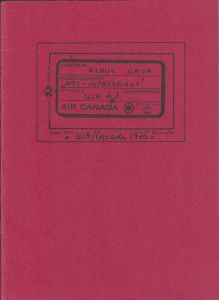
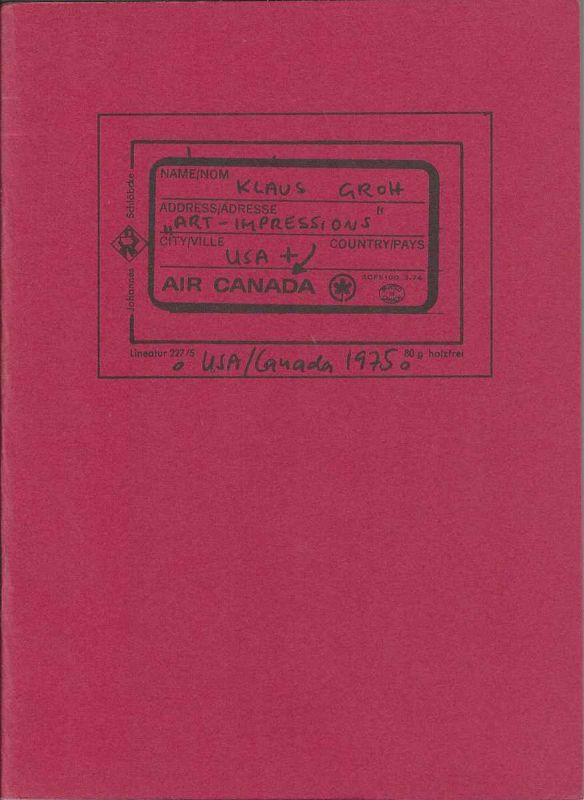
Klaus Groh nasceu em 1936 em Neisse, na então Alta Silésia alemã, atual Nysa, Polônia. É artista visual, autor, editor, pesquisador, professor e organizador cultural alemão, reconhecido como uma das figuras centrais da Mail Art europeia e das redes internacionais de arte experimental formadas a partir do final da década de 1960. Sua produção abrange arte conceitual, poesia visual, colagem, desenho, objeto, livro de artista, publicação experimental, performance, ações, documentação, arte postal e práticas próximas do Neo Dada e do Fluxus. Paralelamente à produção artística, Groh desenvolveu um trabalho sistemático de circulação de informações e formação de redes por meio da International Artists Cooperation, conhecida pela sigla IAC, e de seu boletim IAC INFO. Sua trajetória estabeleceu ligações entre artistas dos Estados Unidos, Canadá, Europa Ocidental, Europa Oriental, América Latina e outras regiões. Uma conexão particularmente importante com a história da publicação experimental ocorreu em 1975, quando a Beau Geste Press publicou seu livro de artista Art Impressions USA and Canada, também identificado com o subtítulo More DaDa.Groh estudou pedagogia da arte e história da arte entre 1957 e 1960. Posteriormente realizou doutorado na Carl von Ossietzky Universität Oldenburg, desenvolvendo pesquisa sobre o novo dadaísmo na costa oeste dos Estados Unidos. Sua tese deu origem à publicação Der neue Dadaismus in Nordamerika, lançada pela Maro Verlag em Augsburg em 1979. A formação acadêmica de Groh esteve diretamente associada a sua observação das práticas experimentais contemporâneas, sobretudo aquelas que questionavam os limites institucionais da obra de arte e utilizavam comunicação, documentação, publicação e circulação como instrumentos artísticos.Desde o final dos anos 1960 Groh desenvolveu atividades que ultrapassavam a produção de objetos artísticos isolados. A International Artists Cooperation tornou se uma de suas iniciativas fundamentais. As fontes apresentam pequenas diferenças cronológicas. Algumas biografias situam sua direção da IAC entre 1969 e 1990, enquanto um texto histórico do próprio Groh informa que uma associação internacional de produtores criativos começou formalmente em fevereiro de 1972. A diferença pode ser compreendida como distinção entre uma fase inicial de organização e a formalização posterior da rede. O objetivo era criar uma infraestrutura independente para troca internacional de informações entre artistas.O boletim IAC INFO tornou se instrumento essencial dessa rede. Publicado em inglês e distribuído internacionalmente, divulgava nomes, endereços, projetos, exposições, publicações, convocações e oportunidades de colaboração. Segundo relato de Groh posteriormente republicado pelo Artpool, a rede possuía centros de contato em diferentes países da Europa Ocidental e Oriental, América do Norte, América do Sul, Austrália, Japão e África do Sul. Os boletins funcionavam como um sistema analógico de disseminação de informações artísticas antes da internet. A circulação não comercial e descentralizada era um dos princípios fundamentais da iniciativa.O Lomholt Mail Art Archive preserva numerosos exemplares de IAC INFO enviados por Klaus Groh durante a década de 1970, incluindo os números 3, 4 e 5 de 1972, números 7, 8, 9 e 10 de 1973, números 13, 15 e 16 de 1974, números 18, 19 e 20 de 1975 e números 22 e 23 de 1976. Um exemplar de IAC 13 Info, publicado em 1974, é identificado como impresso de quatro páginas, medindo aproximadamente 21 por 14,9 centímetros, publicado pela IAC e Klaus Groh em Oldenburg. A publicação documenta a estrutura editorial concreta utilizada para sustentar a rede internacional.A posição de Groh dentro da Mail Art foi particularmente importante porque sua rede conectou artistas situados em contextos políticos muito diferentes. Fontes especializadas destacam sua atuação como mediador entre os Estados Unidos e a Europa e especialmente entre Europa Ocidental, Polônia e República Democrática Alemã. Em texto retrospectivo, o próprio Groh enfatizou a importância histórica da Mail Art durante a Guerra Fria, especialmente em países socialistas do Leste Europeu e em países latino americanos submetidos a ditaduras militares. Para Groh, a correspondência permitia uma comunicação artística internacional que atravessava fronteiras políticas, censura e sistemas institucionais.Em 1971 Groh publicou if I had a mind, ich stelle mir vor, Concept art, project art pela DuMont Schauberg em Colônia. A publicação reuniu propostas relacionadas à arte conceitual e à arte de projeto e constitui um dos documentos iniciais de sua atuação como compilador e divulgador de práticas experimentais internacionais. O Avantgarde Museum destaca o livro, juntamente com Aktuelle Kunst in Osteuropa, como publicação importante para a documentação de artistas que atuavam predominantemente no campo conceitual.Em 1972 publicou Aktuelle Kunst in Osteuropa pela DuMont Schauberg. O livro concentrou se em práticas contemporâneas desenvolvidas na Tchecoslováquia, Iugoslávia, Polônia, Romênia, União Soviética e Hungria. Em plena Guerra Fria, a publicação teve importância especial por apresentar ao público ocidental práticas experimentais provenientes do Leste Europeu que possuíam circulação internacional limitada. No mesmo ano publicou etc. Thesen, Slogans, Konzepte, Ideen pela Maro Verlag e produziu o livro de artista Reale Concepte, publicado pela New Reform em Aalst, Bélgica.Em 1973 Groh organizou uma edição de Mixed Magazine dedicada à Europa Oriental, publicada em associação com a University of Saskatchewan, Canadá. Essa atividade demonstra que sua função dentro da rede internacional não se limitava à Alemanha. Ele estabelecia conexões editoriais com instituições e artistas em diferentes países, produzindo publicações que operavam simultaneamente como documentação, arquivo, divulgação e obra experimental.A Beau Geste Press ocupa posição específica e importante nessa trajetória. Fundada em 1971 pelos artistas mexicanos Martha Hellion e Felipe Ehrenberg, em colaboração com David Mayor e outros participantes, a editora funcionou no sudoeste da Inglaterra até 1976. Instalada em ambiente rural, publicou livros de artista, múltiplos e periódicos em pequenas tiragens e distribuiu grande parte de sua produção internacionalmente por correio. Sua estrutura aproximava produção editorial, vida comunitária, colaboração artística e redes postais. Entre os artistas publicados ou incorporados a seus projetos estavam Ulises Carrión, Ken Friedman, Carolee Schneemann, Endre Tót, Takako Saito, Ben Vautier, Jaros?aw Koz?owski, Klaus Groh e muitos outros.Groh já estava relacionado ao universo editorial da Beau Geste Press antes da publicação de seu livro de 1975. O catálogo de Fluxshoe, publicado pela editora em 1972 e relacionado à extensa circulação do projeto Fluxus no Reino Unido, inclui Klaus Groh entre os numerosos artistas associados ao projeto, ao lado de Joseph Beuys, George Brecht, Robert Filliou, Dick Higgins, George Maciunas, Yoko Ono, Carolee Schneemann, Mieko Shiomi, Endre Tót e outros. Essa presença demonstra sua inserção no ambiente internacional do Fluxus, da arte conceitual e das redes alternativas que convergiam ao redor da Beau Geste Press.Em 1975 a Beau Geste Press publicou Art Impressions USA and Canada, uma das obras editoriais mais significativas da colaboração entre Klaus Groh e a editora. Registros da bibliografia nacional britânica identificam Klaus Groh como autor, Beau Geste Press como editora, Cranleigh como local de publicação e 1975 como ano. A publicação possui ISBN 0859980200 e tiragem de 750 exemplares. Desses, 400 foram encadernados juntamente com Schmuck Anthological número 7.Art Impressions USA and Canada é classificado por bases especializadas como livro de artista. A edição possui aproximadamente 24 páginas além dos elementos preliminares e documenta uma viagem pelos Estados Unidos e Canadá relacionada à busca e observação de manifestações artísticas alternativas. Registros bibliográficos descrevem a publicação como uma espécie de sequência documental ou storyboard de viagem, ilustrada por fotografias. O livro articula diário visual, pesquisa de campo, documentação de práticas artísticas e estética de publicação independente.O subtítulo More DaDa relaciona diretamente a publicação aos interesses de Groh pelo legado dadaísta e pelo que identificava como novas manifestações de Dada na América do Norte. O projeto editorial antecipou e complementou sua pesquisa acadêmica posteriormente desenvolvida em Der neue Dadaismus in Nordamerika. Assim, Art Impressions USA and Canada não deve ser entendido apenas como registro de viagem. É simultaneamente livro de artista, pesquisa visual, documento sobre redes alternativas e manifestação do interesse de Groh pelas continuidades e transformações de Dada, Fluxus, arte conceitual e experimentação independente.A edição do livro pela Beau Geste Press também revela uma sobreposição estrutural entre as redes de Klaus Groh e da editora. Ambas dependiam da circulação postal, da produção autônoma e da cooperação internacional. Enquanto Groh estabelecia uma rede de informação através da IAC e do IAC INFO, a Beau Geste Press produzia e distribuía livros, revistas e múltiplos por meio de redes semelhantes. Essa afinidade explica a presença de Groh em retrospectivas contemporâneas dedicadas à editora. A exposição Beau Geste Press apresentada no Center for Book Arts de Nova York em 2023 incluiu Klaus Groh entre os artistas relacionados à história da editora. A mostra derivou da retrospectiva organizada por Alice Motard no CAPC Musée d?art contemporain de Bordeaux.A produção de Groh continuou a articular publicação e experimentação. Em 1975 publicou Art manifests. Em 1977 lançou The OR Book pela Don Milliken Press em Shelburne Falls. Em 1979 publicou Der neue Dadaismus in Nordamerika. Em 1980 lançou A crazy DaDa idea, Eine Dadalogie. Em 1982 produziu A book, publicação de 36 páginas preservada no Lomholt Mail Art Archive, contendo referências a conceitos como Try life e Mail Art is not jail art. Em 1983 publicou Try life e Installationen. Em 1984 publicou Der Baum, Dein Freund.Groh também produziu obras e projetos colaborativos que circularam por outras redes de Mail Art. O Lomholt Mail Art Archive documenta sua participação em Two Circle Formular em 1976, My favorite sentence concerning ART em 1977, The Yellow Book, Mr Klein Songbook, Mr Klein The Fall e Prison em 1978, Exchangeable Photo, Mr Klein Coordinate e Umbrella em 1979, além de outros projetos. Esses registros demonstram que Groh não atuava somente como organizador ou historiador. Ele respondia regularmente às propostas de outros artistas e participava da produção coletiva de trabalhos distribuídos internacionalmente.Sua relação com livros de artista permaneceu ativa durante a década de 1980. Em agosto de 1984 enviou uma convocatória para The Book as Container of Ideas, projeto organizado por Groh e seus estudantes na biblioteca da University of Oldenburg. O documento preservado no Lomholt Mail Art Archive consiste em três páginas e é classificado simultaneamente como carta, convite e material impresso. Essa iniciativa confirma o interesse continuado de Groh pelo livro não apenas como suporte editorial tradicional, mas como estrutura conceitual capaz de conter, organizar e transmitir ideias.Entre 1971 e 2006 Groh dirigiu o Micro Hall Art Center e o espaço de apresentações Literaturium. Essas atividades reforçam a dimensão organizacional de sua prática. O artista criou contextos de apresentação para literatura, artes visuais, performance e atividades experimentais, atuando como produtor cultural durante mais de três décadas.Arquivos contemporâneos preservam parcelas importantes de sua produção. O Lomholt Mail Art Archive mantém dezenas de correspondências, boletins IAC, cartões postais, publicações e participações em projetos. A Fondazione Berardelli mantém material relacionado a Groh dentro de seu arquivo de Mail Art. O Archivio Conz preserva obras do artista, incluindo Flux haed de 1983 e Surprises and Objects, Original Book, de 1978. As Archives de la critique d?art, vinculadas ao INHA na França, preservam um dossiê Klaus Groh dentro do fundo Pierre Restany, contendo biografia, textos sobre Mail Art, obras e documentação fotográfica.A relação de Klaus Groh com o Poema Processo precisa ser estabelecida com cautela. Não foi localizada nas fontes consultadas evidência de que ele tenha integrado o movimento brasileiro surgido em 1967. Sua relevância para esse campo é internacional e relacional. A IAC, a Mail Art e as redes editoriais nas quais Groh atuava chegaram à América Latina e criaram infraestruturas pelas quais artistas brasileiros de poesia experimental, poesia visual e arte postal puderam se conectar a circuitos europeus, norte americanos e do Leste Europeu. O próprio Groh descreveu a América do Sul como uma das regiões integradas à IAC.Sua proximidade com artistas e publicações ligadas à poesia visual, ao Fluxus e à experimentação conceitual o coloca dentro do ambiente internacional que também se cruzou com artistas brasileiros provenientes ou próximos do Poema Processo. Portanto, Klaus Groh não deve ser cadastrado como participante do Poema Processo, mas como agente internacional de importância para compreender as redes de comunicação e circulação que aproximaram a poesia visual brasileira da Mail Art mundial.Historicamente, Klaus Groh deve ser compreendido simultaneamente como artista e como construtor de infraestrutura cultural. Sua contribuição não reside apenas nos objetos que produziu. Ela está também na formação de conexões, organização de arquivos, publicação de informações, documentação de artistas pouco conhecidos fora de seus países e manutenção de canais de comunicação independentes durante a Guerra Fria. Art Impressions USA and Canada, produzido com a Beau Geste Press em 1975, materializa exemplarmente essa posição ao reunir viagem, fotografia, investigação do novo Dada, livro de artista, edição independente e circulação internacional.A Beau Geste Press, por sua vez, oferece um ponto essencial para situar Groh dentro da história internacional dos livros de artista. A editora esteve ativa de 1971 a 1976, publicou aproximadamente 75 livros, múltiplos e revistas e trabalhou diretamente com artistas que circulavam através de redes de Fluxus, poesia visual, arte conceitual e Mail Art. A inclusão de Klaus Groh nesse conjunto confirma sua participação em uma das experiências editoriais independentes mais relevantes da Europa dos anos 1970
English
Klaus Groh was born in 1936 in Neisse, then in German Upper Silesia and now Nysa, Poland. He is a German visual artist, author, editor, researcher, educator and cultural organizer recognized as a central figure in European Mail Art and in the international experimental art networks that developed from the late 1960s onward. His practice encompasses conceptual art, visual poetry, collage, drawing, object art, artists books, experimental publishing, performance, actions, documentation, correspondence art and practices connected to Neo Dada and Fluxus. Alongside his artistic production, Groh systematically created channels for the circulation of information through International Artists Cooperation, known as IAC, and its bulletin IAC INFO. His activities connected artists in the United States, Canada, Western Europe, Eastern Europe, Latin America and other regions. A particularly important connection with experimental publishing occurred in 1975 when Beau Geste Press published his artists book Art Impressions USA and Canada, also associated with the subtitle More DaDa.Groh studied art education and art history between 1957 and 1960. He later completed doctoral research at Carl von Ossietzky Universität Oldenburg on new manifestations of Dada on the American West Coast. His dissertation was subsequently published as Der neue Dadaismus in Nordamerika by Maro Verlag in Augsburg in 1979. Groh's academic research was closely connected to his direct observation of contemporary experimental practices, particularly those that challenged institutional definitions of art and treated communication, documentation, publishing and distribution as artistic media.From the late 1960s Groh developed activities that extended far beyond the production of individual artworks. International Artists Cooperation became one of his principal initiatives. Sources provide slightly different chronologies. Biographical records state that he directed IAC from 1969 to 1990, while a later historical account by Groh describes the formal beginning of an international association of creative producers in February 1972. These references can be understood as distinguishing an initial organizational phase from the later formal structure of the network. Its aim was to establish an independent infrastructure for the international exchange of artistic information.IAC INFO became an essential instrument within this network. Published in English and internationally distributed, it circulated artists names and addresses as well as information on projects, exhibitions, publications and opportunities for collaboration. According to Groh's historical account, contact centers operated in Western and Eastern Europe, North and South America, Australia, Japan and South Africa. The bulletins constituted an analogue information system for artistic networking long before digital communication. Independent and noncommercial exchange was fundamental to the project.The Lomholt Mail Art Archive preserves numerous issues of IAC INFO sent by Klaus Groh during the 1970s. The records include issues 3, 4 and 5 from 1972, issues 7, 8, 9 and 10 from 1973, issues 13, 15 and 16 from 1974, issues 18, 19 and 20 from 1975 and issues 22 and 23 from 1976. One surviving copy of IAC 13 Info from 1974 is documented as a four page printed newsletter measuring approximately 21 by 14.9 centimeters, published by IAC and Klaus Groh in Oldenburg. These objects provide direct material evidence of the editorial structure that sustained the network.Groh became particularly important within Mail Art because his network connected artists working under very different political systems. Specialist sources emphasize his role in bringing American Mail Art into European circuits and in connecting Western Europe with Poland and the former German Democratic Republic. In a later retrospective essay, Groh emphasized the historical importance of Mail Art during the Cold War, particularly in socialist Eastern Europe and in Latin American countries under military dictatorships. Postal correspondence enabled artists to communicate across political borders, censorship systems and conventional cultural institutions.In 1971 Groh published if I had a mind, ich stelle mir vor, Concept art, project art through DuMont Schauberg in Cologne. The publication assembled material associated with Conceptual Art and project art and became an early document of his role as compiler and disseminator of international experimental practices. The Avantgarde Museum identifies this publication together with Aktuelle Kunst in Osteuropa as important documentation of artists working predominantly within conceptual practices.In 1972 he published Aktuelle Kunst in Osteuropa with DuMont Schauberg. The book documented contemporary practices in Czechoslovakia, Yugoslavia, Poland, Romania, the Soviet Union and Hungary. Produced during the Cold War, it was particularly significant because it presented experimental practices from Eastern Europe to Western audiences at a time when such work often circulated internationally with difficulty. The same year Groh published etc. Thesen, Slogans, Konzepte, Ideen with Maro Verlag and produced the artists book Reale Concepte with New Reform in Aalst, Belgium.In 1973 he edited an East European issue of Mixed Magazine associated with the University of Saskatchewan in Canada. This project demonstrates that Groh's function as an editor and networker extended beyond Germany. He established connections with artists and institutions in several countries and produced publications that simultaneously operated as documentation, archives, information channels and experimental artistic forms.Beau Geste Press occupies a specific and important place in Groh's career. Founded in 1971 by Mexican artists Martha Hellion and Felipe Ehrenberg together with David Mayor and other collaborators, the press operated in southwest England until 1976. From a rural environment it produced limited edition artists books, multiples and periodicals distributed internationally through postal networks. Its organization combined publishing, communal living, artistic collaboration and international correspondence. Artists published or incorporated into its activities included Ulises Carrión, Ken Friedman, Carolee Schneemann, Endre Tót, Takako Saito, Ben Vautier, Jaros?aw Koz?owski, Klaus Groh and many others.Groh was associated with the Beau Geste Press environment before the publication of his own 1975 book. Fluxshoe, published by Beau Geste Press in 1972 and documenting a major Fluxus related touring project in Britain, includes Klaus Groh among a large group of participants alongside Joseph Beuys, George Brecht, Robert Filliou, Dick Higgins, George Maciunas, Yoko Ono, Carolee Schneemann, Mieko Shiomi and Endre Tót. This record places him directly within the international intersection of Fluxus, Conceptual Art and alternative art networks surrounding Beau Geste Press.In 1975 Beau Geste Press published Art Impressions USA and Canada, one of the most significant editorial records of the collaboration between Klaus Groh and the press. The Open British National Bibliography identifies Groh as author, Beau Geste Press as publisher, Cranleigh as place of publication and 1975 as the year of release. The publication bears ISBN 0859980200 and was produced in an edition of 750 copies. Four hundred copies were bound together with Schmuck Anthological number 7.Specialist databases classify Art Impressions USA and Canada as an artists book. The publication contains approximately twenty four pages in addition to preliminary matter and documents a journey through the United States and Canada in search of alternative artistic practices. Bibliographical descriptions characterize it as a photographic and documentary sequence recording Groh's encounters during the trip. The book combines visual diary, field research, documentation of experimental art and independent publishing.The associated subtitle More DaDa directly connects the publication with Groh's sustained research into the legacy of Dada and what he understood as new manifestations of Dada in North America. The artists book anticipated and complemented the academic investigation later published as Der neue Dadaismus in Nordamerika. Art Impressions USA and Canada should therefore be understood not only as a travel record but as an artists book, visual research project, document of alternative networks and investigation into the transformations of Dada, Fluxus, conceptual practice and independent art.The publication by Beau Geste Press also reveals a structural overlap between the networks established by Groh and those maintained by the press. Both depended upon postal distribution, independent publishing and international collaboration. Groh circulated information through IAC and IAC INFO, while Beau Geste Press circulated books, magazines and multiples through comparable channels. This historical association explains Groh's inclusion in contemporary retrospective exhibitions devoted to the press. The 2023 Beau Geste Press exhibition at the Center for Book Arts in New York included Klaus Groh among the artists represented in its historical survey. The exhibition developed from the earlier retrospective curated by Alice Motard at CAPC Musée d?art contemporain de Bordeaux.Groh continued to combine publishing with experimental practice. In 1975 he issued Art manifests. In 1977 The OR Book was published by Don Milliken Press in Shelburne Falls. Der neue Dadaismus in Nordamerika appeared in 1979. In 1980 he published A crazy DaDa idea, Eine Dadalogie. In 1982 he produced A book, a thirty six page booklet now documented in the Lomholt Mail Art Archive and associated with phrases and concepts including Try life and Mail Art is not jail art. In 1983 he published Try life and Installationen, followed in 1984 by Der Baum, Dein Freund.Groh also participated extensively in collaborative projects initiated by other Mail Artists. The Lomholt Mail Art Archive documents contributions to Two Circle Formular in 1976, My favorite sentence concerning ART in 1977, The Yellow Book, Mr Klein Songbook, Mr Klein The Fall and Prison in 1978, Exchangeable Photo, Mr Klein Coordinate and Umbrella in 1979, among other projects. These records demonstrate that Groh was not merely an organizer or historian. He regularly responded to other artists and actively participated in the collective production of internationally circulated works.His interest in artists books continued during the 1980s. In August 1984 Groh distributed an invitation for The Book as Container of Ideas, a project organized with his students in the library of the University of Oldenburg. The surviving document in the Lomholt Mail Art Archive consists of three pages and is classified as letter, invitation and printed matter. The project confirms Groh's continuing understanding of the book not simply as a conventional publishing format but as a conceptual structure capable of containing, organizing and transmitting ideas.From 1971 to 2006 Groh directed the Micro Hall Art Center and the performance venue Literaturium. These activities further demonstrate the organizational dimension of his practice. For more than three decades he created contexts for literature, visual art, performance and experimental cultural activity.Important bodies of Groh's work and documentation are preserved in contemporary archives. The Lomholt Mail Art Archive contains dozens of letters, IAC bulletins, postcards, publications and project contributions. The Fondazione Berardelli holds material associated with Groh within its Mail Art archive. Archivio Conz preserves works including Flux haed from 1983 and Surprises and Objects, Original Book, from 1978. The Archives de la critique d?art connected with INHA in France preserve a Klaus Groh file within the Pierre Restany fonds containing biographical material, texts on Mail Art, artworks and photographic documentation.Klaus Groh's relationship with the Brazilian Process Poem Movement must be described carefully. No evidence located in the consulted sources establishes him as a member of the movement founded in Brazil in 1967. His relevance is instead international and relational. IAC, Mail Art and the publishing networks in which Groh participated extended into Latin America and provided channels through which Brazilian experimental and visual poets and Mail Artists could connect with European, North American and Eastern European circuits. Groh himself identified South America as one of the regions incorporated into the IAC network.His connections with artists and publications associated with visual poetry, Fluxus and conceptual experimentation situate him within the international environment that later intersected with Brazilian artists emerging from or working alongside Process Poem. Groh should therefore not be classified as a participant in Process Poem, but rather as an important international agent for understanding the communication structures through which Brazilian visual poetry entered the worldwide Mail Art network.Historically, Klaus Groh should be understood simultaneously as an artist and as a builder of cultural infrastructure. His contribution does not reside only in the objects he produced. It also lies in the connections he established, the archives he assembled, the information he distributed, his documentation of artists who had limited visibility outside their countries and his maintenance of independent communication channels during the Cold War. Art Impressions USA and Canada, produced with Beau Geste Press in 1975, exemplifies this position by combining travel, photography, research into new forms of Dada, the artists book, independent publishing and international distribution.Beau Geste Press provides a particularly important framework for locating Groh within the international history of artists books. Active from 1971 to 1976, the press produced approximately seventy five books, multiples and magazines and collaborated directly with artists circulating through Fluxus, visual poetry, conceptual art and Mail Art networks. The inclusion of Klaus Groh in this publishing history confirms his participation in one of the most significant independent publishing experiments in 1970s Europe.
Currículo
Klaus Groh é artista visual, autor, editor, pesquisador, professor e organizador cultural alemão cuja trajetória está diretamente ligada à Mail Art, arte conceitual, poesia visual, Neo Dada, Fluxus, livros de artista e redes internacionais de publicação independente. Teve papel fundamental na circulação de informações entre artistas através da International Artists Cooperation e do boletim IAC INFO. Sua colaboração com a Beau Geste Press está documentada especialmente por sua participação no contexto de Fluxshoe e pela publicação de Art Impressions USA and Canada em 1975.IDENTIFICAÇÃONome principal: Klaus GrohNome completo: Klaus GrohNascimento: 1936Local de nascimento: Neisse, Alta Silésia, atual Nysa, PolôniaNacionalidade e contexto de atuação: alemãoCidades e regiões documentadas de atuação: Oldenburg, Friedrichsfehn, Edewecht e outras localidades da Alemanha, com extensa atuação internacionalÁreas de atuação: arte visual, Mail Art, arte conceitual, poesia visual, colagem, desenho, objeto, livro de artista, publicação experimental, edição, pesquisa, documentação, performance e organização culturalMovimentos e contextos: Mail Art, Correspondence Art, Neo Dada, Fluxus, Conceptual Art, poesia visual, redes alternativas de artistas e publicação independenteFORMAÇÃO1957 a 1960Estudos de pedagogia da arte e história da arte.Carl von Ossietzky Universität OldenburgOldenburg, AlemanhaPeríodo posteriorDoutorado em filosofiaCarl von Ossietzky Universität OldenburgTema relacionado ao novo dadaísmo na costa oeste dos Estados UnidosPesquisa posteriormente publicada como Der neue Dadaismus in Nordamerika.ATUAÇÃO PROFISSIONALFinal da década de 1960 em dianteArtista, editor, pesquisador e articulador de redes internacionais de arte experimental.1969 a 1990International Artists CooperationDireção atribuída a Klaus Groh por fontes biográficas.Uma fonte histórica do próprio Groh situa a formalização da associação internacional em fevereiro de 1972.Década de 1970Editor de IAC INFOBoletim internacional de informações sobre artistas, exposições, publicações, projetos e endereços.1971 a 2006Diretor do Micro Hall Art Center.Diretor da pequena casa de espetáculos e espaço cultural Literaturium.MOVIMENTOS, GRUPOS E COLETIVOSInternational Artists CooperationIACOrganizador, diretor, editor e articulador internacional.Mail Art NetworkParticipação como artista, editor, correspondente, pesquisador e organizador.Beau Geste PressRelação como artista participante de projetos e autor publicado.FluxshoeParticipação documentada no ambiente internacional Fluxus reunido pela Beau Geste Press.PROJETOS E COLABORAÇÕES1972FluxshoeBeau Geste PressReino UnidoKlaus Groh aparece entre os numerosos artistas associados ao projeto e à publicação.Outros participantes incluíram George Brecht, Joseph Beuys, Robert Filliou, Dick Higgins, George Maciunas, Yoko Ono, Carolee Schneemann, Mieko Shiomi, Endre Tót e diversos artistas Fluxus e experimentais.1972 em dianteIAC INFOInternational Artists CooperationOldenburg e Friedrichsfehn, AlemanhaSérie de boletins distribuídos internacionalmente.1976Two Circle FormularParticipação no projeto da Lomholt Formular Press.1977My favorite sentence concerning ARTProjeto colaborativo de Mail Art.1978The Yellow BookParticipação em projeto da Lomholt Formular Press.1978Mr Klein SongbookParticipação colaborativa.1978Mr Klein The FallParticipação colaborativa.1978PrisonParticipação em projeto internacional.1979Exchangeable PhotoParticipação.1979Mr Klein CoordinateParticipação.1979UmbrellaParticipação em projeto internacional.1984The Book as Container of IdeasUniversity of OldenburgOldenburg, AlemanhaProjeto organizado por Klaus Groh e seus estudantes na biblioteca da universidade.Tema central: livro de artista e livro como recipiente conceitual de ideias.LIVROS ESCRITOS OU ORGANIZADOS1971Klaus Grohif I had a mind, ich stelle mir vor, Concept art, project artDuMont SchaubergColônia, AlemanhaISBN 3770105710Publicação dedicada a arte conceitual e project art.1972Klaus GrohAktuelle Kunst in OsteuropaDuMont SchaubergColônia, AlemanhaISBN 3770106172Documentação sobre práticas contemporâneas na Tchecoslováquia, Iugoslávia, Polônia, Romênia, União Soviética e Hungria.1972Klaus Grohetc. Thesen, Slogans, Konzepte, IdeenMaro VerlagGersthofen, AlemanhaISBN 3875120183.1973Klaus Groh, editorMixed MagazineEast European IssueUniversity of SaskatchewanCanadá.1975Klaus GrohArt manifestsFriedrichsfehn, Alemanha.1975Klaus GrohArt Impressions USA and CanadaMore DaDaBeau Geste PressCranleigh, Reino UnidoISBN 0859980200Tiragem de 750 exemplares400 exemplares integrados a Schmuck Anthological número 7Aproximadamente 24 páginas além de elementos preliminaresLivro relacionado a uma viagem e investigação de práticas artísticas alternativas nos Estados Unidos e Canadá.1977Klaus GrohThe OR BookDon Milliken PressShelburne Falls, Estados Unidos.1979Klaus GrohDer neue Dadaismus in NordamerikaMaro VerlagAugsburg, AlemanhaISBN 3875121139.1980Klaus GrohA crazy DaDa ideaEine DadalogieEdewecht e Friedrichsfehn, AlemanhaISBN 3922595014.1983Klaus GrohTry lifeEdewecht, Alemanha.1983Klaus GrohInstallationenEdewecht, Alemanha.1984Klaus GrohDer Baum, Dein FreundEdewecht, AlemanhaISBN 3922595073.LIVROS DE ARTISTA E PUBLICAÇÕES DE ARTISTA1972Reale ConcepteKlaus GrohNew ReformAalst, BélgicaLivro de artista.1975Art Impressions USA and CanadaBeau Geste PressCranleigh, Reino UnidoLivro de artistaTiragem: 750400 exemplares associados a Schmuck Anthological número 7.1978Surprises and ObjectsOriginal BookObra preservada no Archivio Conz.1982A bookKlaus GrohEdewecht e Friedrichsfehn, AlemanhaPublicação impressa36 páginas20,7 por 14,5 centímetrosPreservada no Lomholt Mail Art Archive.REVISTAS E PERIÓDICOSDécada de 1970IAC INFOEditor: Klaus GrohInternational Artists CooperationOldenburg, AlemanhaBoletim em inglês de circulação internacional.Registros preservados incluem números publicados entre 1972 e 1977.1975Schmuck Anthological número 7Beau Geste PressParte da tiragem de Art Impressions USA and Canada foi integrada a essa publicação.ARTIGOS, ENSAIOS E TEXTOS1980Klaus GrohMail Art und warum ich mitmacheKunstnachrichtenNúmero 4Zurique e Stuttgart.1983Klaus GrohMail Art Correspondence Art: mehr als nur ein Spielen mit der PostkommunikationKunstnachrichtenNúmero 3Zurique e Stuttgart.1991Klaus GrohMail Art Correspondence Art, eine künstlerische Randaktivität oder ein ernstzunehmendes Betätigungsfeld für freie Kommunikation zwischen den VölkernPublicado no contexto de Bildende Kunst in Osteuropa im 20. JahrhundertPosteriormente reproduzido em Mail Art Szene DDR 1975 bis 1990Páginas 91 a 94 na edição citada pelo Lomholt Mail Art Archive.EXPOSIÇÕES INDIVIDUAISA documentação consultada confirma que Klaus Groh expõe internacionalmente desde o final da década de 1960, mas uma listagem documental suficientemente completa de exposições individuais, com títulos, instituições e datas verificáveis, não foi localizada nas fontes consultadas. Para evitar atribuições indevidas, exposições não confirmadas individualmente não são incluídas.EXPOSIÇÕES COLETIVAS E MOSTRAS DOCUMENTAIS1972FluxshoeProjeto internacional ligado a FluxusBeau Geste PressReino UnidoKlaus Groh entre os artistas documentados.2017Beau Geste PressCAPC Musée d?art contemporain de BordeauxBordeaux, FrançaRetrospectiva da atividade editorial da Beau Geste PressCuradoria de Alice MotardKlaus Groh incluído entre os artistas associados à editora.2023Beau Geste PressCenter for Book ArtsNova York, Estados Unidos14 de abril a 24 de junho de 2023Curadoria de Alice MotardKlaus Groh incluído na seleção de artistas.2025Sendung aus dem Gegen RaumMail Art, Plakate und Faltrollos alternativer DDR KunstszenenBrandenburgisches Landesmuseum für moderne KunstCottbus, Alemanha24 de maio a 24 de agosto de 2025Participação documentada de Klaus Groh em mostra histórica relacionada à Mail Art e às cenas alternativas da Alemanha Oriental.ARQUIVOS E FUNDOS DOCUMENTAISLomholt Mail Art ArchiveDinamarcaPreserva boletins IAC INFO, cartas, cartões, livros, impressos e participações de Klaus Groh em projetos internacionais.Fondazione BerardelliBrescia, ItáliaMail Art ArchivePreserva documentação relacionada a Klaus Groh.Archivio ConzBerlim, AlemanhaPreserva obras de Klaus Groh, incluindo Flux haed, 1983, e Surprises and Objects, Original Book, 1978.Archives de la critique d?art e INHAFrançaFundo Pierre RestanyDossiê Klaus Groh contendo biografia, textos sobre Mail Art, duas obras e documentação fotográfica.RELAÇÃO COM BEAU GESTE PRESS1972Participação documentada em Fluxshoe, publicação e projeto da Beau Geste Press.1975Publicação de Art Impressions USA and Canada, More DaDaBeau Geste PressCranleighTiragem de 750 exemplares400 incorporados a Schmuck Anthological número 7.2017Inclusão na retrospectiva histórica Beau Geste Press no CAPC Musée d?art contemporain de Bordeaux.2023Inclusão na exposição Beau Geste Press do Center for Book Arts de Nova York.RELAÇÃO COM POEMA PROCESSONão foi localizada evidência de participação de Klaus Groh como integrante do Poema Processo.Sua importância para pesquisas relacionadas ao movimento decorre das redes internacionais de Mail Art, poesia visual, arte conceitual e publicações experimentais às quais artistas brasileiros também se conectaram.A International Artists Cooperation possuía circulação na América do Sul e foi estruturada para promover comunicação internacional independente entre artistas.CRONOLOGIA1936Nascimento em Neisse, atual Nysa, Polônia.1957 a 1960Estudos de pedagogia da arte e história da arte.Final dos anos 1960Expansão de sua atividade artística e de seus contatos internacionais.1969Início do período atribuído à direção da International Artists Cooperation.1971Publicação de if I had a mind.Início da direção do Micro Hall Art Center e Literaturium.1972Publicação de Aktuelle Kunst in Osteuropa.Publicação de etc. Thesen, Slogans, Konzepte, Ideen.Publicação de Reale Concepte.Participação documentada em Fluxshoe.Formalização da IAC segundo relato histórico posterior do próprio Groh.Circulação dos primeiros IAC INFO preservados no Lomholt Mail Art Archive.1973Organização do East European Issue de Mixed Magazine.1974Continuidade da circulação do IAC INFO.1975Publicação de Art manifests.Publicação de Art Impressions USA and Canada pela Beau Geste Press.Participação intensiva em redes internacionais de publicação e Mail Art.1976Participação em Two Circle Formular.1977Publicação de The OR Book.Participação em My favorite sentence concerning ART.1978Participação em The Yellow Book, Prison, Mr Klein Songbook e Mr Klein The Fall.Produção de Surprises and Objects.1979Publicação de Der neue Dadaismus in Nordamerika.Participação em Exchangeable Photo, Umbrella e Mr Klein Coordinate.1980Publicação de A crazy DaDa idea.Publicação do texto Mail Art und warum ich mitmache.1982Publicação de A book.1983Publicação de Try life.Publicação de Installationen.Publicação de ensaio sobre Mail Art e Correspondence Art.1984Publicação de Der Baum, Dein Freund.Organização de The Book as Container of Ideas com estudantes da University of Oldenburg.1990Encerramento do período atribuído à direção da IAC.1991Publicação de texto histórico sobre Mail Art como comunicação internacional entre os povos.2006Encerramento de seu período de direção do Micro Hall Art Center e Literaturium.2017Sua obra e sua relação editorial com Beau Geste Press são retomadas na retrospectiva da editora no CAPC em Bordeaux.2023Klaus Groh integra a exposição histórica Beau Geste Press no Center for Book Arts de Nova York.2025Obra de Klaus Groh é apresentada em exposição histórica de Mail Art e cenas alternativas da Alemanha Oriental em Cottbus.
English
Klaus Groh is a German visual artist, author, editor, researcher, educator and cultural organizer whose career is directly associated with Mail Art, conceptual art, visual poetry, Neo Dada, Fluxus, artists books and international independent publishing networks. He played an important role in circulating information among artists through International Artists Cooperation and the IAC INFO bulletin. His connection with Beau Geste Press is particularly documented through his participation in the Fluxshoe environment and the publication of Art Impressions USA and Canada in 1975.IDENTIFICATIONMain name: Klaus GrohFull name: Klaus GrohBorn: 1936Place of birth: Neisse, Upper Silesia, now Nysa, PolandNationality and principal context: GermanDocumented places of activity: Oldenburg, Friedrichsfehn, Edewecht and other locations in Germany, with extensive international activityFields: visual art, Mail Art, Conceptual Art, visual poetry, collage, drawing, object art, artists books, experimental publishing, editing, research, documentation, performance and cultural organizationMovements and contexts: Mail Art, Correspondence Art, Neo Dada, Fluxus, Conceptual Art, visual poetry, alternative art networks and independent publishingEDUCATION1957 to 1960Studies in art education and art history.Carl von Ossietzky Universität OldenburgOldenburg, GermanyLater periodDoctorateCarl von Ossietzky Universität OldenburgResearch on new forms of Dada on the American West CoastThe research was subsequently published as Der neue Dadaismus in Nordamerika.PROFESSIONAL ACTIVITIESLate 1960s onwardArtist, editor, researcher and organizer of international experimental art networks.1969 to 1990International Artists CooperationBiographical sources identify Klaus Groh as its director during this period.A historical account by Groh dates the formal creation of the international association to February 1972.1970sEditor of IAC INFOInternational bulletin providing information on artists, exhibitions, publications, projects and contact addresses.1971 to 2006Director of Micro Hall Art Center.Director of the cultural and performance venue Literaturium.MOVEMENTS, GROUPS AND COLLECTIVESInternational Artists CooperationIACOrganizer, director, editor and international networker.Mail Art NetworkArtist, editor, correspondent, researcher and organizer.Beau Geste PressAssociated artist and published author.FluxshoeDocumented participation in the international Fluxus related environment connected with Beau Geste Press.PROJECTS AND COLLABORATIONS1972FluxshoeBeau Geste PressUnited KingdomKlaus Groh is listed among the many artists connected with the project and publication.Other documented participants include George Brecht, Joseph Beuys, Robert Filliou, Dick Higgins, George Maciunas, Yoko Ono, Carolee Schneemann, Mieko Shiomi and Endre Tót.1972 onwardIAC INFOInternational Artists CooperationOldenburg and Friedrichsfehn, GermanySeries of internationally distributed information bulletins.1976Two Circle FormularParticipation in the Lomholt Formular Press project.1977My favorite sentence concerning ARTCollaborative Mail Art project.1978The Yellow BookParticipation in a Lomholt Formular Press project.1978Mr Klein SongbookCollaborative participation.1978Mr Klein The FallCollaborative participation.1978PrisonInternational project participation.1979Exchangeable PhotoParticipation.1979Mr Klein CoordinateParticipation.1979UmbrellaInternational project participation.1984The Book as Container of IdeasUniversity of OldenburgOldenburg, GermanyProject organized by Klaus Groh and his students in the university library.Central subject: artists books and the book as a conceptual container of ideas.AUTHORED AND EDITED BOOKS1971Klaus Grohif I had a mind, ich stelle mir vor, Concept art, project artDuMont SchaubergCologne, GermanyISBN 3770105710Publication dedicated to Conceptual Art and project art.1972Klaus GrohAktuelle Kunst in OsteuropaDuMont SchaubergCologne, GermanyISBN 3770106172Documentation of contemporary practices in Czechoslovakia, Yugoslavia, Poland, Romania, the Soviet Union and Hungary.1972Klaus Grohetc. Thesen, Slogans, Konzepte, IdeenMaro VerlagGersthofen, GermanyISBN 3875120183.1973Klaus Groh, editorMixed MagazineEast European IssueUniversity of SaskatchewanCanada.1975Klaus GrohArt manifestsFriedrichsfehn, Germany.1975Klaus GrohArt Impressions USA and CanadaMore DaDaBeau Geste PressCranleigh, United KingdomISBN 0859980200Edition of 750 copies400 copies bound with Schmuck Anthological number 7Approximately twenty four pages in addition to preliminary matterArtists book documenting travel and the investigation of alternative artistic practices in the United States and Canada.1977Klaus GrohThe OR BookDon Milliken PressShelburne Falls, United States.1979Klaus GrohDer neue Dadaismus in NordamerikaMaro VerlagAugsburg, GermanyISBN 3875121139.1980Klaus GrohA crazy DaDa ideaEine DadalogieEdewecht and Friedrichsfehn, GermanyISBN 3922595014.1983Klaus GrohTry lifeEdewecht, Germany.1983Klaus GrohInstallationenEdewecht, Germany.1984Klaus GrohDer Baum, Dein FreundEdewecht, GermanyISBN 3922595073.ARTISTS BOOKS AND ARTISTS PUBLICATIONS1972Reale ConcepteKlaus GrohNew ReformAalst, BelgiumArtists book.1975Art Impressions USA and CanadaBeau Geste PressCranleigh, United KingdomArtists bookEdition: 750400 copies associated with Schmuck Anthological number 7.1978Surprises and ObjectsOriginal BookWork preserved by Archivio Conz.1982A bookKlaus GrohEdewecht and Friedrichsfehn, GermanyPrinted publication36 pages20.7 by 14.5 centimetersPreserved in the Lomholt Mail Art Archive.JOURNALS AND PERIODICALS1970sIAC INFOEditor: Klaus GrohInternational Artists CooperationOldenburg, GermanyEnglish language bulletin circulated internationally.Surviving records include issues published between 1972 and 1977.1975Schmuck Anthological number 7Beau Geste PressPart of the edition of Art Impressions USA and Canada was bound with this publication.ESSAYS, ARTICLES, BOOK CHAPTERS AND TEXTS1980Klaus GrohMail Art und warum ich mitmacheKunstnachrichtenIssue 4Zurich and Stuttgart.1983Klaus GrohMail Art Correspondence Art: mehr als nur ein Spielen mit der PostkommunikationKunstnachrichtenIssue 3Zurich and Stuttgart.1991Klaus GrohMail Art Correspondence Art, eine künstlerische Randaktivität oder ein ernstzunehmendes Betätigungsfeld für freie Kommunikation zwischen den VölkernPublished in connection with Bildende Kunst in Osteuropa im 20. JahrhundertLater reproduced in Mail Art Szene DDR 1975 bis 1990Pages 91 to 94 in the edition cited by the Lomholt Mail Art Archive.SOLO EXHIBITIONSThe consulted documentation confirms that Klaus Groh has exhibited internationally since the late 1960s, but a sufficiently verified consolidated list of solo exhibitions including titles, venues and dates was not located. Unconfirmed events are therefore not assigned to this category.GROUP EXHIBITIONS AND DOCUMENTARY EXHIBITIONS1972FluxshoeInternational Fluxus related projectBeau Geste PressUnited KingdomKlaus Groh among the documented artists.2017Beau Geste PressCAPC Musée d?art contemporain de BordeauxBordeaux, FranceRetrospective exhibition devoted to Beau Geste PressCurated by Alice MotardKlaus Groh included among artists associated with the publishing house.2023Beau Geste PressCenter for Book ArtsNew York, United States14 April to 24 June 2023Curated by Alice MotardKlaus Groh included in the historical survey.2025Sendung aus dem Gegen RaumMail Art, Plakate und Faltrollos alternativer DDR KunstszenenBrandenburgisches Landesmuseum für moderne KunstCottbus, Germany24 May to 24 August 2025Documented participation by Klaus Groh in a historical exhibition concerning Mail Art and alternative East German artistic scenes.ARCHIVES AND DOCUMENTARY FONDSLomholt Mail Art ArchiveDenmarkPreserves IAC INFO bulletins, letters, postcards, books, printed matter and Klaus Groh's contributions to international projects.Fondazione BerardelliBrescia, ItalyMail Art ArchivePreserves material associated with Klaus Groh.Archivio ConzBerlin, GermanyPreserves works by Klaus Groh including Flux haed, 1983, and Surprises and Objects, Original Book, 1978.Archives de la critique d?art and INHAFrancePierre Restany fondsKlaus Groh file containing biographical information, texts concerning Mail Art, two works and photographic documentation.RELATIONSHIP WITH BEAU GESTE PRESS1972Documented participation in Fluxshoe, a Beau Geste Press publication and project.1975Publication of Art Impressions USA and Canada, More DaDaBeau Geste PressCranleighEdition of 750 copies400 copies incorporated into Schmuck Anthological number 7.2017Included in the historical Beau Geste Press retrospective at CAPC Musée d?art contemporain de Bordeaux.2023Included in the Beau Geste Press exhibition at the Center for Book Arts in New York.RELATIONSHIP WITH THE PROCESS POEM MOVEMENTNo evidence was located establishing Klaus Groh as a member of the Brazilian Process Poem Movement.His importance for research related to Process Poem derives from the international networks of Mail Art, visual poetry, conceptual art and experimental publishing through which Brazilian artists also circulated.International Artists Cooperation included South America within its international communication structure and was designed to promote independent exchanges among artists across national borders.CHRONOLOGY1936Born in Neisse, now Nysa, Poland.1957 to 1960Studies art education and art history.Late 1960sExpansion of his artistic practice and international contacts.1969Beginning of the period attributed to his direction of International Artists Cooperation.1971Publishes if I had a mind.Begins directing Micro Hall Art Center and Literaturium.1972Publishes Aktuelle Kunst in Osteuropa.Publishes etc. Thesen, Slogans, Konzepte, Ideen.Publishes Reale Concepte.Documented participation in Fluxshoe.Formalization of IAC according to Groh's later historical account.Early surviving IAC INFO bulletins documented in the Lomholt Mail Art Archive.1973Edits the East European Issue of Mixed Magazine.1974Continues international circulation of IAC INFO.1975Publishes Art manifests.Beau Geste Press publishes Art Impressions USA and Canada.Continued intensive involvement in international publishing and Mail Art networks.1976Participates in Two Circle Formular.1977Publishes The OR Book.Participates in My favorite sentence concerning ART.1978Participates in The Yellow Book, Prison, Mr Klein Songbook and Mr Klein The Fall.Produces Surprises and Objects.1979Publishes Der neue Dadaismus in Nordamerika.Participates in Exchangeable Photo, Umbrella and Mr Klein Coordinate.1980Publishes A crazy DaDa idea.Publishes Mail Art und warum ich mitmache.1982Publishes A book.1983Publishes Try life.Publishes Installationen.Publishes an essay on Mail Art and Correspondence Art.1984Publishes Der Baum, Dein Freund.Organizes The Book as Container of Ideas with students at the University of Oldenburg.1990End of the period attributed to his direction of IAC.1991Publishes a historical text on Mail Art as a form of international communication among peoples.2006Concludes his period directing Micro Hall Art Center and Literaturium.2017His work and association with Beau Geste Press are revisited in the press retrospective at CAPC in Bordeaux.2023Klaus Groh is included in the historical Beau Geste Press exhibition at the Center for Book Arts in New York.2025Work by Klaus Groh is included in a historical exhibition on Mail Art and alternative East German art scenes in Cottbus.