
Im Press - Mail Art Calendar 1977 - USA
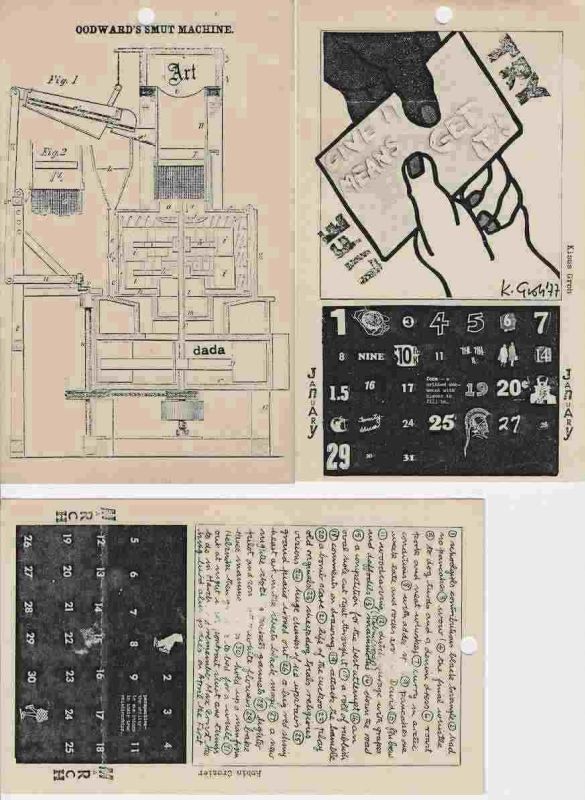 Im Press foi uma iniciativa editorial independente ativa em Amherst, Massachusetts, Estados Unidos, vinculada ao ambiente da arte postal, poesia visual, arte conceitual, publicação de artista e redes internacionais de correspondência da década de 1970. Entre os documentos que permitem reconstruir sua atuação encontra se o Mail Art Calendar 1977, publicação coletiva experimental impressa e distribuída pela Im Press a partir do endereço P.O. Box 603, Amherst, Massachusetts 01002, USA. O exemplar analisado reúne doze intervenções artísticas correspondentes aos doze meses do ano e apresenta também uma relação impressa com nomes e endereços postais dos participantes, transformando o objeto simultaneamente em calendário, publicação de artista coletiva, diretório de contatos e instrumento de expansão da rede internacional de Mail Art. O tratamento museológico adotado aqui segue o prompt fornecido, que determina pesquisa documental, preservação dos títulos originais, distinção entre publicação, obra e evento e proibição de completar lacunas sem comprovação.O Mail Art Calendar 1977 estabelece uma relação direta entre a organização convencional do tempo e os procedimentos de apropriação característicos da arte experimental dos anos 1970. Cada mês é entregue a um artista diferente, que interfere na grade temporal por meio de fotografia, desenho, colagem, escrita manuscrita, tipografia, apropriação de imagens impressas, números, símbolos e textos. A estrutura repetitiva do calendário permanece reconhecível, mas deixa de funcionar apenas como instrumento utilitário. Dias, números e meses tornam se elementos visuais e conceituais.A documentação apresentada permite identificar a sequência mensal da publicação. Janeiro é atribuído a Klaus Groh. Fevereiro a Siro Frank Ferguson. Março a Robin Crozier. Abril a Uncle Don Milliken. Maio a Martine Aballéa. Junho a Doug Manley. Julho a Jerry Dreva. Agosto a Cees Francke. Setembro a Al Souza. Outubro a Marie Sarapata. Novembro a Eleanor Kent. Dezembro a Bill Doherty. Steven Durland aparece na relação de participantes e endereços associada à publicação e sua presença documental é especialmente relevante porque fontes institucionais da University of Iowa o descrevem como artista, escritor, escultor e performer fortemente ativo como iniciador de eventos e publicações internacionais de correspondence art. Seus documentos preservados na University of Iowa abrangem especialmente 1977 e 1978 e incluem projetos de arte postal organizados nesse mesmo contexto histórico.A página de janeiro, identificada com Klaus Groh, apresenta uma imagem de uma mão segurando um cartão ou pequena superfície gráfica, acompanhada por fragmentos textuais e pela assinatura K. Groh 77. Abaixo encontra se a grade de janeiro, convertida em composição visual na qual números de diferentes tamanhos, desenhos, palavras e sinais substituem a uniformidade gráfica característica de um calendário convencional. A intervenção combina desenho, apropriação, tipografia e reorganização da informação temporal.Fevereiro, atribuído a Siro Frank Ferguson, apresenta uma fotomontagem em preto e branco com figura humana associada a uma estrutura mecânica semelhante a um dispositivo ótico ou câmera. Abaixo, os dias do mês aparecem entre números, caveiras, sinais e pequenos elementos gráficos. A composição apresenta forte caráter de montagem e apropriação, colocando lado a lado corpo, máquina, comunicação visual e iconografia popular.Março, de Robin Crozier, articula uma grade mensal escura com uma extensa intervenção manuscrita. Crozier, nascido em Gosforth, Inglaterra, em 1936 e falecido em 2001, trabalhou com poesia concreta e poesia visual e participou da rede internacional de Mail Art desde 1972. A documentação especializada registra ainda sua atividade editorial e seus projetos baseados em correspondência e memória. A presença de Crozier no Mail Art Calendar 1977 situa a publicação dentro de um circuito internacional que conectava poesia visual, correspondência artística e experimentação editorial entre Estados Unidos e Europa.Abril é atribuído a Uncle Don Milliken. A composição utiliza escrita gestual e caligráfica em grandes dimensões, acompanhada por um calendário em campo escuro. O texto manuscrito assume uma presença visual tão importante quanto sua dimensão semântica, aproximando a página das experiências de escrita visual, caligrafia experimental e poesia gráfica.Maio, de Martine Aballéa, apresenta uma apropriação de disco telefônico no qual aparecem números, letras e expressões como INFORMATION, ANGLE SERVICE, LIQUIDS, POLICE, FIRE e ALL EVAPORATIONS. Abaixo, a grade mensal é novamente submetida à desorganização visual e à substituição de alguns números por imagens. Martine Aballéa nasceu em Nova York em 1950 e iniciou sua prática artística em 1975. Sua produção é reconhecida pelo emprego de múltiplos, cartões postais, livros de artista, cartazes, textos e imagens fotográficas transformadas, elementos coerentes com sua participação nesse calendário experimental.Junho, atribuído a Doug Manley, combina uma fotografia de formas circulares escuras com o desenho lateral de um tubarão. Abaixo, o calendário apresenta números e uma série de pequenos círculos ou zeros distribuídos pela superfície. A relação entre fotografia, desenho e sistemas numéricos produz uma página baseada na fragmentação e na associação de elementos provenientes de registros visuais distintos.Julho, de Jerry Dreva, utiliza uma matriz de nove retratos fotográficos na qual diferentes expressões e aparências do artista são apresentadas em sequência. Na parte inferior, números, um pequeno instrumento musical, formas orgânicas e fragmentos gráficos reorganizam os dias de julho. Jerry Dreva, nascido em 1945 e falecido em 1997, foi artista, escritor, performer, ativista e professor. Os Archives of American Art do Smithsonian Institution o identificam como um dos líderes da Mail Art durante as décadas de 1970 e 1980. Seu arquivo preserva correspondência, arte postal, zines, pequenos livros de artista e documentação de sua atividade experimental.Agosto, de Cees Francke, utiliza uma fotografia apropriada de figura feminina em associação com uma grade numérica formada por algarismos de diferentes estilos e tamanhos. A palavra August aparece lateralmente, enquanto a estrutura convencional do mês é desfeita pela instabilidade tipográfica. A composição evidencia uma estratégia central do calendário como um todo, a transformação de números utilitários em material plástico.Setembro, atribuído a Al Souza, apresenta a expressão HAVE A PRODUCTIVE DAY acompanhada de desenhos de mãos executando diferentes ações e manipulando objetos. A página combina linguagem publicitária, instrução, produtividade, trabalho e representação gráfica, enquanto o calendário inferior apresenta números, símbolos monetários e imagens variadas. O trabalho transforma a retórica cotidiana da eficiência e da produtividade em matéria artística e crítica.Outubro, atribuído a Marie Sarapata, apresenta desenho de três homens vestidos como empresários acompanhado de texto manuscrito que começa com a expressão A GROUP OF SUCCESSFUL BUSINESSMEN. A narrativa humorística e absurda interfere no imaginário corporativo e na representação convencional do sucesso masculino. A grade correspondente ao mês utiliza repetidamente pequenas expressões de horário e um elemento central figurativo, substituindo a legibilidade habitual do calendário por repetição gráfica.Novembro, de Eleanor Kent, apresenta a obra identificada como LAZY GRAPES, formada por três cachos desenhados em traço preto. Abaixo encontra se uma construção tipográfica e numérica em que cada dia assume desenho e peso diferentes. Eleanor Kent tornou se participante ativa da Mail Art no final da década de 1970 e posteriormente trabalhou também com fotocópia, tecnologias digitais e artistamps. Fontes especializadas sobre sua trajetória registram o papel da rede postal como meio de contato com artistas experimentais de diferentes países.Dezembro, atribuído a Bill Doherty, associa fotografia apropriada a uma composição tipográfica de grandes letras distribuídas em linhas. A disposição produz fragmentos e possíveis combinações verbais, incluindo sequências relacionadas a CHANGE, IS, A, NIL, US, I, MON e ART. O mês deixa praticamente de ser reconhecido como calendário convencional e transforma se em exercício de poesia visual baseado em reorganização de letras, palavras e espaço.O conjunto inclui ainda a imagem intitulada ODDWARD'S SMUT MACHINE, representação de uma máquina ou diagrama técnico apropriado, no qual as palavras Art e dada foram incorporadas ao mecanismo. Essa peça resume de maneira particularmente clara o espírito conceitual da publicação. A linguagem de patente, engenharia ou ilustração técnica é deslocada para o campo artístico, enquanto Art e dada aparecem como componentes de uma máquina imaginária.O Mail Art Calendar 1977 também possui importância documental pela presença dos endereços dos participantes. O impresso registra Klaus Groh na Alemanha Ocidental, Siro Frank Ferguson nos Estados Unidos, Robin Crozier na Inglaterra, Uncle Don Milliken nos Estados Unidos, Martine Aballéa na França, Doug Manley nos Estados Unidos, Jerry Dreva nos Estados Unidos, Cees Francke na Holanda, Al Souza nos Estados Unidos, Marie Sarapata nos Estados Unidos, Eleanor Kent nos Estados Unidos, Bill Doherty nos Estados Unidos e Steven Durland em Amherst, Massachusetts. Na cultura da Mail Art, publicar o endereço não era mero detalhe editorial. O endereço funcionava como ponto de entrada para novas correspondências e permitia que a publicação produzisse novas relações entre artistas.Essa função de rede é confirmada pelo contexto histórico. Artistas presentes no calendário aparecem posteriormente em outros circuitos internacionais de arte postal. Um levantamento de Stampart publicado em 1979 registra, entre muitos outros nomes, Robin Crozier, Cees Francke, Steven Durland, Frank Ferguson, Klaus Groh e Eleanor Kent dentro da rede internacional, juntamente com artistas brasileiros como Paulo Bruscky e Leonhard Frank Duch. Outro catálogo internacional de Mail Art relacionado à First Los Angeles Erotic Mail Art Show registra, poucos anos depois, Klaus Groh, Eleanor Kent, Steve Durland, Robin Crozier, Don Milliken e também Falves Silva, Paulo Bruscky, Bené Fonteles e Avelino de Araújo, evidenciando a interconexão entre os circuitos norte americanos, europeus e brasileiros.A Im Press e o Mail Art Calendar 1977 devem, portanto, ser situados no contexto da expansão internacional da Mail Art durante os anos 1970. A publicação converte um objeto cotidiano em suporte coletivo, distribui autoria entre vários participantes, incorpora endereços como parte da infraestrutura do trabalho e aproxima publicação, correspondência e obra. Sua relevância para estudos de poesia visual, arte postal, arte conceitual, publicações de artista, comunicação alternativa e redes de artistas reside tanto nas páginas individuais quanto na estrutura relacional criada pela reunião dos participantes.O exemplar preservado constitui documento primário para reconstruir uma rede específica em 1977. Sua importância não depende apenas da notoriedade posterior de alguns participantes. O valor histórico reside na possibilidade de observar, em um único objeto, como artistas de diferentes países experimentavam simultaneamente com fotografia, escrita, desenho, apropriação, humor, tipografia, sistemas numéricos e circulação postal. Até o momento, nas fontes consultadas, não foi localizada documentação suficiente para estabelecer tiragem, preço original, método completo de distribuição ou uma série editorial mais ampla da Im Press. Esses campos permanecem não localizados nas fontes consultadas e não devem ser preenchidos por hipótese.
