Paul Carter - Reino Unido LIgado a M.A.I.C e VEC-UK
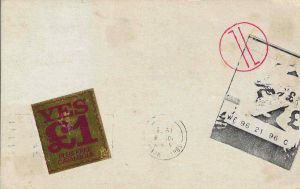
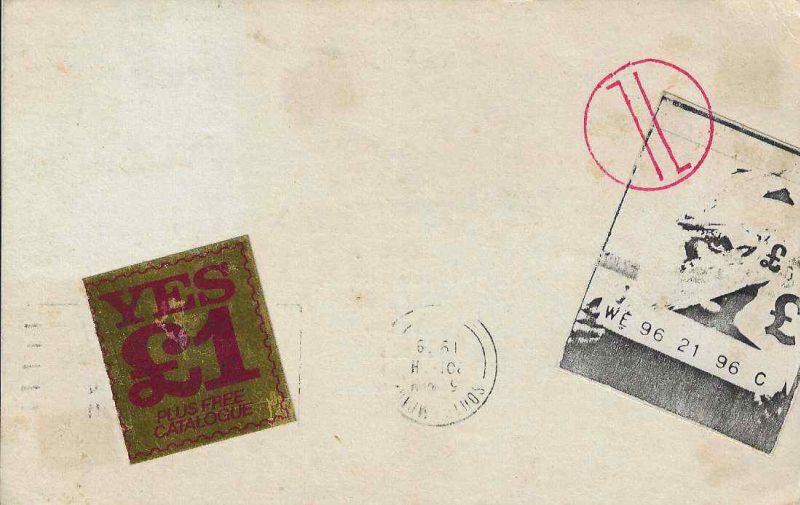 Paul Carter é um artista inglês ligado à mail art, arte postal, arte conceitual, publicação experimental, produção gráfica independente e experimentação sonora, com atuação particularmente documentada entre 1974 e 1985. Desenvolveu uma parte central de sua atividade a partir de Eastleigh, Inglaterra, e aparece nas fontes históricas associado às denominações M.A.I.C., Mail Art Intelligence Centre, e VEC UK. Carter integrou a rede internacional de arte postal que durante as décadas de 1970 e 1980 colocou artistas de diferentes países em comunicação direta através do correio, fazendo circular cartões, envelopes, fotografias, fotocópias, carimbos, formulários, publicações, propostas conceituais, obras coletivas e posteriormente gravações sonoras. Sua data e local de nascimento, formação acadêmica, professores e instituições de ensino não foram localizados nas fontes consultadas.A documentação histórica identifica Paul Carter como mail artist ativo aproximadamente entre 1974 e 1985, período durante o qual participou regularmente de publicações de mail art, projetos colaborativos, obras de circulação, propostas do tipo add and pass on e exposições internacionais. A utilização do correio não funcionava apenas como meio de transporte para suas obras. Endereços, erros de endereçamento, devoluções, carimbos postais, marcas administrativas, formulários, fotocópias e transformações sofridas durante o percurso tornavam se componentes do próprio processo artístico.Essa maneira de trabalhar aproxima Carter de uma vertente conceitual da mail art na qual circulação, comunicação, participação e transformação documental ocupam posição central. O objeto artístico deixa de ser necessariamente uma obra única e passa a existir como processo distribuído entre remetente, destinatário, serviços postais e diferentes integrantes da rede internacional.Um dos primeiros projetos documentados de Paul Carter é Trans Global Painting, de 1976. Um exemplar ou documento relacionado ao projeto encontra se registrado pela University of Iowa na Crane Friedman Correspondence Art Collection como proposta de colaboração. O projeto é associado a Carter, Ken Friedman e Klaus Groh e constitui evidência da inserção precoce do artista inglês em circuitos internacionais de arte por correspondência.Em 1977 Paul Carter aparece entre os participantes de Poéticas Visuais, exposição organizada por Julio Plaza e Walter Zanini no Museu de Arte Contemporânea da Universidade de São Paulo, MAC USP, realizada de 29 de setembro a 30 de outubro de 1977. A presença de Carter nessa exposição possui especial importância para compreender sua relação com a arte experimental brasileira. Poéticas Visuais reuniu aproximadamente duzentos artistas de diferentes países e explorou práticas ligadas à comunicação, reprodução, xerografia, poesia visual, publicações e circulação de trabalhos. A exposição permitia inclusive a obtenção de cópias xerográficas de parte dos documentos exibidos, ampliando a lógica de reprodução e circulação característica da época.A participação em Poéticas Visuais situa Paul Carter diretamente em um ambiente institucional brasileiro que reunia artistas e práticas próximas da poesia visual, arte conceitual, publicações experimentais e arte postal. Embora não tenha sido localizada evidência de que Carter tenha integrado formalmente o movimento Poema Processo, sua presença nessa exposição demonstra uma conexão concreta com o circuito brasileiro no qual atuavam artistas e pesquisadores vinculados às experiências intersemióticas e às redes postais internacionais.Em 1978 Carter aparece novamente em documentação institucional nos Estados Unidos. A First International Mail Art Show, realizada na Gallery 300 em Staten Island, Nova York, incluiu Paul Carter entre participantes provenientes de diferentes países. O catálogo registra sua presença ao lado de artistas como Ken Friedman, Bill Gaglione, Graciela Gutiérrez Marx, Edgardo Antonio Vigo, Paulo Bruscky, Robert Rehfeldt, Ruth Wolf Rehfeldt, Klaus Groh, Robin Crozier, Rod Summers, Endre Tót e Pawel Petasz.Também em 1978 uma obra coletiva intitulada Now You Can Change When Fashions Do é registrada pela University of Iowa. O assemblage reúne Tony Bradley, Paul Carter, Buster Cleveland, Robin Crozier, David Drummond e Andrew Nevai. O registro reforça o caráter colaborativo da produção de Carter e sua proximidade com outros protagonistas da mail art internacional.Entre os projetos mais característicos de Carter encontra se I justify my work by...in 12 words or less. A proposta consistia no envio de um formulário a artistas da rede, solicitando que cada participante justificasse seu trabalho utilizando um número extremamente limitado de palavras. O formulário, a pergunta, a resposta e a própria circulação postal constituíam elementos da obra. O projeto demonstra o interesse de Carter pela autodefinição do artista, pelo uso de estruturas administrativas e pela transformação de procedimentos ordinários de comunicação em dispositivos conceituais.Outro projeto importante foi Atrocity Photographs. Carter reuniu fotografias provenientes de diferentes participantes da rede internacional e organizou o material em uma publicação produzida por fotocópia. O projeto insere sua produção no universo das publicações de artista, do Xerox, da edição independente e das redes alternativas de distribuição que tiveram papel decisivo na mail art dos anos 1970.Incorrectly Addressed Envelopes explorava diretamente o funcionamento e as imperfeições dos serviços postais. Carter enviava correspondências para artistas utilizando endereços deliberadamente incorretos. Algumas chegavam aos destinatários e outras retornavam ao remetente trazendo novos carimbos, anotações, marcas de correio e interferências administrativas. Dessa maneira, o percurso postal deixava de ser um elemento externo para participar da produção formal da obra.Carter também produziu I Do Art, publicação ou projeto gráfico relacionado à estética visual das publicações independentes e dos fanzines punk britânicos do final da década de 1970. A aproximação demonstra a convergência entre mail art, cultura punk, produção independente, fotocópia, montagem gráfica, colagem e sistemas alternativos de distribuição.Os carimbos constituíram outro elemento recorrente de sua linguagem. Entre os textos documentados em carimbos utilizados por Paul Carter encontram se Suspect Mailing, Unsolicited Mail, What do you think you are looking at-, So you think you know what this means- e You think you know everything. Esses carimbos funcionavam ao mesmo tempo como intervenção visual, comentário conceitual e marca de identificação dentro da rede postal.Por volta de 1979, a utilização de imagens relacionadas a Suspect Mailing provocou uma situação na qual arte, sistema postal e mecanismos de vigilância entraram diretamente em conflito. A documentação preservada pelo Lomholt Mail Art Archive relata que Carter foi investigado por autoridades e questionado a respeito de fotografias de assemblages que continham visualmente bateria, fios, componentes elétricos e algodão. O episódio ocorreu em um contexto britânico no qual materiais produzidos por outros participantes da rede, incluindo Genesis P Orridge e Pauline Smith, também foram objeto de atenção das autoridades.Em 1979 Carter participou da International Umbrella Mail Art Exhibition, documentada através do catálogo The Umbrella Show ligado a Judith Hoffberg. A extensa relação internacional de participantes inclui Paul Carter ao lado de Anna Banana, Vittore Baroni, John M. Bennett, Paulo Bruscky, Ulises Carrión, Guglielmo Achille Cavellini, Robin Crozier, Klaus Groh, Ray Johnson, Pawel Petasz, Endre Tót e muitos outros artistas da rede.Ainda em 1979 Paul Carter aparece no catálogo The Postman Always Ring Twice, produzido por Lon Spiegelman em Los Angeles. O documento registra uma ampla comunidade internacional de mail art e inclui Carter entre centenas de participantes. O catálogo permite observar a dimensão internacional adquirida pela arte postal e a inserção efetiva do artista inglês nessa rede.Em dezembro de 1979 o nome de Paul Carter também aparece entre os participantes de uma Mail Art Show relacionada a L immagine mitica no Studio Arti Visivi em Matera, Itália. A documentação relaciona Carter a uma extensa lista internacional que inclui Gino Gini, Anna Banana, Vittore Baroni, Paulo Bruscky, Robin Crozier, Falves Silva, Klaus Groh, Pawel Petasz, Rod Summers e William Xerra. Esse registro é especialmente importante para o Salsa porque demonstra que Paul Carter e Falves Silva aparecem documentados dentro de uma mesma exposição internacional de mail art.Carter desenvolveu igualmente uma importante relação com a experimentação sonora e a cultura de cassete. Sua proximidade com Rod Summers e com VEC colocou sua atividade postal em contato com poesia sonora, gravação experimental, tape music e intercâmbio internacional de áudio.Em 28 de novembro de 1978 Paul Carter participou de HERE, programa do VEC Audio Exchange. A documentação registra uma contribuição realizada com Leonhard Frank Duch identificada como Medley Kunst Ist Ritmus. O programa também inclui Rod Summers, John M. Bennett, Anna Banana e Bill Gaglione.Em 10 de abril de 1979 Carter participou de LISTEN, outro programa do VEC Audio Exchange, com a contribuição Mod Mov. Entre os demais participantes aparecem Klaus Groh, Rod Summers, Tony Bradley, Carl Loeffler, Bill Gaglione, Betty Danon, John M. Bennett e Pawel Petasz.Em 28 de junho de 1979 Carter aparece em CLEAR, cassete C90 do VEC Audio Exchange, junto a artistas como Robin Crozier, Vittore Baroni, Paulo Bruscky, Pawel Petasz, Leonhard Frank Duch, John M. Bennett e Rod Summers.Em 29 de dezembro de 1979 Carter participou de EAR2EAR, programa C60 do VEC Audio Exchange, apresentando uma contribuição sem título. A documentação demonstra novamente a circulação comum entre Carter e artistas internacionais da mail art, poesia experimental e arte sonora.Durante o início da década de 1980 essa aproximação com o áudio tornou se mais intensa. Carter participou do grupo experimental idid idid, relacionado ao ambiente de Southampton e às práticas de noise, tape music e cultura independente de cassetes. O grupo aparece na documentação de GATHERED HEAR, do VEC Audio Exchange, em 2 de abril de 1980. Carter também realizou uma edição única em cassete utilizando o nome Brian Aspro.Em outubro de 1980 seu nome aparece entre os participantes de Commonpress 0016, edição organizada por Mario Lara em San Diego, Estados Unidos, com o tema Things to Think About in Space. A extensa publicação reúne Carter com artistas como Avelino de Araújo, Vittore Baroni, Paulo Bruscky, Ulises Carrión, Buster Cleveland, Robin Crozier, Klaus Groh, Ray Johnson, Pawel Petasz, Falves Silva, Rod Summers, Edgardo Antonio Vigo e Horacio Zabala. A participação reforça novamente a conexão de Carter com artistas latino americanos e brasileiros presentes nas redes internacionais de correspondência.Também em 1980 o catálogo MAIL ETC ART, A Traveling Correspondence Art Exhibition, publicado pela University of Colorado em Boulder, registra trabalhos de Paul Carter em uma exposição itinerante que percorreu diferentes localidades dos Estados Unidos. O catálogo apresenta sua produção dentro de um panorama mais amplo da correspondence art internacional.A atuação de Carter também permaneceu registrada por outros participantes da rede. Vittore Baroni relatou posteriormente que, quando começou a investigar a história da mail art, procurou pessoalmente diversos artistas que considerava importantes, entre eles Paul Carter e Rod Summers. Esse testemunho evidencia a posição reconhecível de Carter dentro da comunidade internacional da arte postal.As fontes disponíveis indicam que, depois do período mais intenso da mail art, Carter continuou trabalhando como ilustrador freelancer e web designer e desenvolveu atividades musicais utilizando os nomes Paul Beatless e The Beatless. Essas atividades posteriores mantêm vínculos com a cultura independente, a produção sonora e a experimentação iniciadas durante sua participação nas redes postais.A trajetória de Paul Carter é significativa para a história da mail art britânica porque articula correspondência, publicação independente, fotocópia, formulários, carimbos, colaboração, intervenção postal, experimentação gráfica e produção sonora. Sua identificação com M.A.I.C., Mail Art Intelligence Centre, VEC UK e Eastleigh constitui uma referência recorrente na documentação histórica.Não foi localizada evidência de que Paul Carter tenha integrado formalmente o movimento Poema Processo. Entretanto, sua participação em Poéticas Visuais no MAC USP em 1977 e sua circulação em projetos e exposições juntamente com Falves Silva, Paulo Bruscky e outros artistas brasileiros criam relações documentais concretas entre sua trajetória e o ambiente internacional no qual a poesia visual, a arte postal e as práticas experimentais brasileiras se desenvolveram.