Michael Groschopp -Alemanha - DDR
Local de nascimento: Schönebeck an der Elbe, então República Democrática Alemã
Data de nascimento: 1956
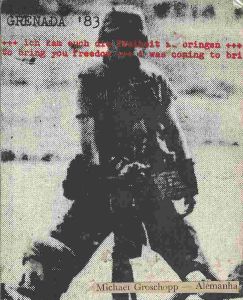
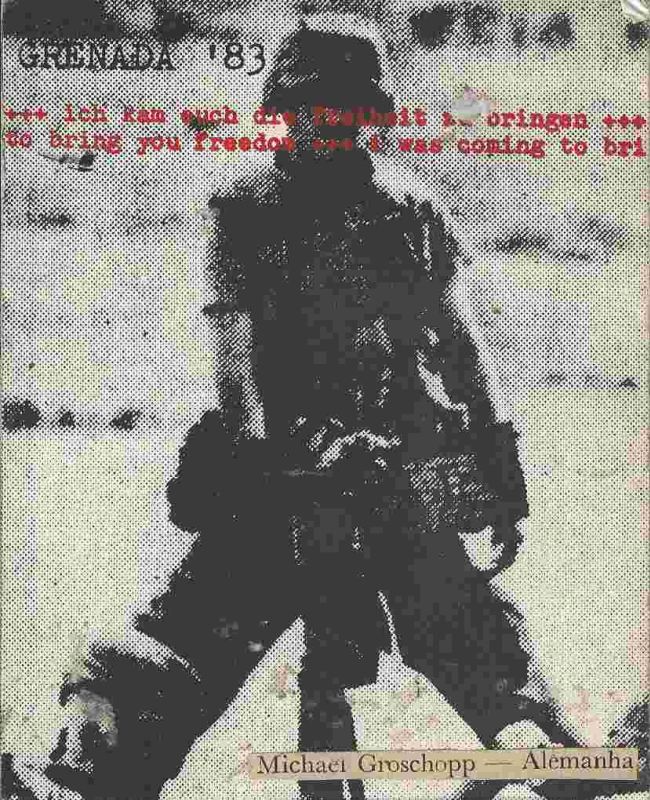
Michael Groschopp é um artista, impressor, organizador cultural e participante histórico da Mail Art alemã, nascido em 1956 em Schönebeck an der Elbe, então República Democrática Alemã. Sua trajetória desenvolveu se especialmente em Magdeburg e esteve relacionada às redes internacionais de arte postal que, durante as décadas de 1980 e 1990, conectaram artistas da Alemanha Oriental com participantes da Europa Ocidental, América Latina, Estados Unidos e outras regiões. Groschopp começou a participar da Mail Art em 1980 e tornou se um dos nomes identificados documentalmente na cena de arte postal da República Democrática Alemã. Sua relação com o artista brasileiro Falves Silva está comprovada tanto pela participação de ambos em circuitos internacionais de Mail Art quanto por correspondência postal direta preservada no Brasil, incluindo cartão enviado por Groschopp a Falves Silva em 1984.Antes de sua atuação artística, Groschopp realizou formação profissional como mecânico. Entre 1978 e 1979 estudou na Pädagogische Hochschule de Magdeburg. Sua permanência na instituição foi interrompida quando foi desligado por razões políticas. Depois disso exerceu diferentes profissões antes de estabelecer uma atividade mais diretamente associada à produção gráfica e à arte. Essa experiência ocorreu dentro das condições políticas e culturais específicas da República Democrática Alemã, contexto no qual a circulação independente de imagens, textos, cartões, envelopes e publicações pelo correio adquiriu particular relevância para artistas interessados em estabelecer contatos fora das estruturas institucionais convencionais.A partir de 1980 Michael Groschopp passou a trabalhar com Mail Art. A arte postal permitia estabelecer relações diretas entre remetentes e destinatários e criar redes independentes de circulação artística. No contexto da Alemanha Oriental, essas práticas estavam relacionadas não apenas à experimentação visual, mas também à possibilidade de comunicação internacional através de uma estrutura descentralizada. Groschopp utilizou cartões postais, impressos, carimbos, fotografia reproduzida, colagem, fotocópia, impressão e intervenções gráficas, transformando correspondência e circulação em componentes das próprias obras.Sua identificação como participante efetivo da Mail Art da Alemanha Oriental é corroborada por documentação histórica da Mail Art Szene DDR 1975 1990, na qual Michael Groschopp aparece ao lado de artistas como Robert Rehfeldt, Ruth Wolf Rehfeldt, Guillermo Deisler, Birger Jesch, Jürgen Gottschalk, Lutz Wohlrab, Friedrich Winnes, Joseph W. Huber e outros integrantes das redes postais independentes da antiga República Democrática Alemã.Um dos momentos mais importantes de sua atuação ocorreu em 1983. Nesse ano Groschopp organizou em Magdeburg o projeto internacional The Eyes of the Children. A convocatória circulou internacionalmente solicitando contribuições sem limitação de tamanho ou técnica e informando que todas as entradas seriam exibidas. O endereço para envio era Michael Groschopp, Wernigeröder Strasse 44, 3015 Magdeburg, East Germany. Documentação histórica reunida pelo Artpool registra aproximadamente 250 participantes provenientes de 36 países, demonstrando a dimensão internacional alcançada pelo projeto.The Eyes of the Children é particularmente significativo para compreender Groschopp não apenas como remetente de correspondências, mas como articulador de uma rede. Na Mail Art, organizar uma convocatória significava criar um ponto de convergência internacional no qual centenas de artistas passavam a relacionar seus trabalhos por meio do correio. Nesse sentido, Groschopp funcionava simultaneamente como artista, destinatário, organizador, distribuidor de informações e nó de uma estrutura artística transnacional.Também em 1983 sua presença aparece documentada na Exposición Internacional de Arte Correo organizada pela Asociación de Empleados Bancarios del Uruguay, AEBU, em Montevidéu. A exposição reuniu 219 participantes e ocorreu de 14 de outubro a 11 de novembro de 1983. A documentação preservada pelo Lomholt Mail Art Archive e pelo Artpool registra Michael Groschopp entre os participantes. A mesma relação documental inclui Falves Silva, além de numerosos artistas ligados à arte postal e à poesia experimental latino americana, como Clemente Padín, Edgardo Antonio Vigo, Guillermo Deisler, Paulo Bruscky, Avelino de Araújo, Joaquim Branco, Leonhard Frank Duch e Wlademir Dias Pino. Esse registro estabelece uma conexão documental anterior ao cartão de 1984 entre Groschopp e o circuito internacional no qual Falves Silva atuava.Entre 1983 e 1985 Michael Groschopp dirigiu voluntariamente a Inselgalerie em Magdeburg juntamente com Helmut Block. O espaço desempenhou papel relevante na apresentação de trabalhos que dificilmente encontravam circulação pelos canais culturais convencionais. Entre os artistas apresentados estava Guillermo Deisler, artista chileno exilado e figura fundamental da poesia visual e da Mail Art internacional. A relação entre Groschopp e Deisler reforça sua inserção na conexão entre a cena experimental da Alemanha Oriental e a produção latino americana.Documentação internacional registra ainda a exposição Lateinamerikanische Graphik und Postkunst na Insel Galerie de Magdeburg em 1982. A existência desse evento demonstra que o ambiente cultural no qual Groschopp atuava mantinha contato direto com produção gráfica e arte postal latino americana. A documentação do arquivo de Géza Perneczky associa o endereço de Groschopp em Magdeburg a esse contexto histórico.A dimensão internacional de sua atuação também pode ser observada em Commonpress número 51, de 1984, publicação pertencente à rede internacional de Mail Art. Michael Groschopp aparece entre os artistas associados à publicação juntamente com Guillermo Deisler, Clemente Padín, Joaquim Branco, Vittore Baroni, Ryosuke Cohen, Klaus Groh e numerosos outros participantes internacionais.A documentação preservada no arquivo de Géza Perneczky permite identificar trabalhos específicos de Groschopp. Around the World, datado de 26 de maio de 1983, utiliza carimbo com um globo relacionado à Mail Art acompanhado de saudação manuscrita. Die Krönung des Schöpfes aparece como cartão produzido a partir de colagem e identificado por carimbos do artista. ARTfremde, de 1983, é registrado como cartão offset com intervenção adicional em serigrafia. Art Life, de 1984, é descrito como cartão produzido por impressão original em linóleo ou borracha, acompanhado de anotações e carimbo com o motivo do globo da Mail Art. Esses documentos mostram o emprego recorrente de carimbos, impressão, apropriação gráfica e linguagem postal em sua obra.Outro documento acadêmico analisa uma contribuição posterior de Groschopp para Uni vers 2003. Nela aparecem impressão digital, pequeno carimbo de mão, logotipo formado por globo, envelope e identificação Around the Art, além de um carimbo propondo a troca de carimbos com outros participantes. O estudo interpreta esses elementos como componentes de uma linguagem própria da Mail Art, baseada em identidade gráfica, repetição, intercâmbio, reconhecimento mútuo e pertencimento à comunidade internacional de correspondência artística.A atividade de Groschopp ultrapassava sua própria produção. Em 1985, por exemplo, ele colocou Thomas Westermann em contato com a cena internacional da Mail Art quando Westermann preparava o projeto Traumgebilde em Magdeburg. Esse episódio demonstra sua função como mediador e articulador de contatos dentro da rede.A partir de 1986 Groschopp trabalhou profissionalmente como impressor independente. Foi admitido no VBK, associação profissional de artistas visuais da República Democrática Alemã. Depois da reunificação alemã, passou a exercer também atividades de ensino em uma Fachhochschule e na Handelskammer de Magdeburg. Fonte biográfica especializada registra posteriormente sua residência e atividade na França.Sua produção permaneceu vinculada à circulação postal durante período prolongado. A presença de correspondência de Michael Groschopp em diferentes arquivos internacionais confirma que sua atuação não se restringiu a episódios isolados. Uma coleção formada nos anos 1980 e posteriormente levada a leilão incluía 22 correspondências de Groschopp, ao lado de documentos de Robert Rehfeldt, Jürgen Gottschalk, Birger Jesch, Klaus Groh e outros participantes da rede alemã de Mail Art.Em 2000, Michael Groschopp foi incluído entre os artistas relacionados à exposição e publicação MailArt Saarland DDR, Schmuggelgut oder Kassiber, organizada pela Saarländische Universitäts und Landesbibliothek. A exposição apresentou correspondências e documentação relativa às relações estabelecidas entre artistas do Saarland e da República Democrática Alemã. O catálogo registra Groschopp juntamente com nomes fundamentais da Mail Art alemã, entre eles Robert Rehfeldt, Jürgen Schieferdecker, Joseph W. Huber, Lutz Wohlrab, Rolf Staeck, Gerhard Tänzer e Aloys Ohlmann.A relação entre Michael Groschopp e Falves Silva possui importância especial para a documentação brasileira. O cartão conservado no arquivo de Falves Silva e datado de 1984 apresenta Michael Groschopp como remetente em Magdeburg, DDR 3015, Wernigeröder Strasse 44, e Falves Silva como destinatário em Natal, Rio Grande do Norte. O endereço alemão coincide com aquele utilizado por Groschopp em sua convocatória internacional de The Eyes of the Children, demonstrando que se trata do mesmo núcleo de atividade postal. A peça constitui portanto evidência primária da comunicação direta entre os dois artistas.A relação não deve ser interpretada como participação de Michael Groschopp no movimento Poema Processo. Até o momento não foi localizada documentação que permita classificá lo como integrante do movimento brasileiro. Sua conexão com o Poema Processo ocorre por meio de Falves Silva e da expansão internacional da prática deste artista através da Mail Art. O dado historicamente relevante é justamente a interseção de redes. Falves Silva, participante do Poema Processo no Brasil, tornou se também um agente ativo da arte postal internacional. Groschopp, atuando na Alemanha Oriental, integrava outra rede experimental. A correspondência entre ambos materializa o encontro desses circuitos.Essa conexão é reforçada pela Exposición Internacional de Arte Correo de Montevidéu em 1983, na qual ambos aparecem documentalmente como participantes. Assim, existem pelo menos dois níveis de relação comprovável entre Michael Groschopp e Falves Silva: presença simultânea em uma exposição internacional de Mail Art em 1983 e correspondência direta enviada de Magdeburg para Natal em 1984.A importância histórica de Michael Groschopp reside em sua participação na formação e manutenção de uma rede artística alternativa dentro da Alemanha Oriental e em sua capacidade de estabelecer conexões internacionais por meio de correspondência, exposições, convocatórias e circulação gráfica. Seus cartões, carimbos, impressos e projetos devem ser entendidos como documentos de uma comunidade artística transnacional anterior à comunicação digital, na qual cada endereço postal representava simultaneamente uma identidade artística e um ponto de acesso a uma rede internacional.Para o estudo da coleção de Falves Silva, Michael Groschopp constitui uma conexão documental entre Poema Processo, arte postal brasileira, Mail Art da República Democrática Alemã, poesia visual internacional e redes experimentais latino americanas e europeias dos anos 1980.
English
Michael Groschopp is a German artist, printer, cultural organizer and historical participant in Mail Art, born in 1956 in Schönebeck an der Elbe, then part of the German Democratic Republic. His activity developed particularly in Magdeburg and became closely connected with the international correspondence art networks that during the 1980s and 1990s linked artists in East Germany with participants in Western Europe, Latin America, the United States and other regions. Groschopp became involved with Mail Art in 1980 and is documented as one of the participants in the Mail Art scene of the German Democratic Republic. His relationship with Brazilian artist Falves Silva is demonstrated both by their presence within the same international Mail Art circuits and by direct postal correspondence preserved in Brazil, including a postcard sent by Groschopp to Falves Silva in 1984.Before developing his artistic activities, Groschopp completed vocational training as a mechanic. From 1978 to 1979 he studied at the Pädagogische Hochschule in Magdeburg. His studies ended when he was expelled for political reasons. He subsequently worked in several occupations before establishing an activity more directly associated with printing and art. His development took place within the particular political and cultural conditions of the German Democratic Republic, where the independent circulation of images, texts, postcards, envelopes and publications through the postal system acquired special significance for artists seeking communication beyond conventional institutional structures.Groschopp became involved with Mail Art from 1980 onward. Correspondence art enabled direct relationships between senders and recipients and created decentralized international networks for the circulation of art. Within East Germany, such practices were associated both with visual experimentation and with the possibility of maintaining contacts across political borders. Groschopp employed postcards, printed matter, rubber stamps, reproduced photography, collage, photocopy, printing processes and graphic interventions, making correspondence and circulation integral components of his work.His position within East German Mail Art is supported by documentation concerning the Mail Art Szene DDR 1975 1990, where Michael Groschopp is listed together with Robert Rehfeldt, Ruth Wolf Rehfeldt, Guillermo Deisler, Birger Jesch, Jürgen Gottschalk, Lutz Wohlrab, Friedrich Winnes, Joseph W. Huber and many other participants in the independent postal networks of the former German Democratic Republic.One of the most significant moments in his activity occurred in 1983, when Groschopp organized the international project The Eyes of the Children in Magdeburg. The international call accepted contributions without restrictions concerning size or technique and announced that all submissions would be displayed. Entries were sent to Michael Groschopp at Wernigeröder Strasse 44, 3015 Magdeburg, East Germany. Historical documentation assembled by Artpool records approximately 250 participants from 36 countries, demonstrating the international scope achieved by the project.The Eyes of the Children is important for understanding Groschopp not only as a producer of postal works but also as an organizer and networker. Within Mail Art, organizing an international call established a meeting point through which hundreds of artists became connected by the postal system. Groschopp therefore functioned simultaneously as artist, recipient, organizer, distributor of information and node within a transnational artistic structure.In the same year his name is documented in the Exposición Internacional de Arte Correo organized by the Asociación de Empleados Bancarios del Uruguay, AEBU, in Montevideo. The exhibition brought together 219 participants and took place from 14 October to 11 November 1983. Documentation preserved by the Lomholt Mail Art Archive and Artpool lists Michael Groschopp among the participants. The same documentary record includes Falves Silva and numerous figures associated with Latin American Mail Art and experimental poetry, including Clemente Padín, Edgardo Antonio Vigo, Guillermo Deisler, Paulo Bruscky, Avelino de Araújo, Joaquim Branco, Leonhard Frank Duch and Wlademir Dias Pino. This provides an important documented connection between Groschopp and the international network in which Falves Silva was active even before their surviving correspondence from 1984.From 1983 to 1985 Michael Groschopp voluntarily directed the Inselgalerie in Magdeburg together with Helmut Block. The space provided opportunities for presenting work that had limited access to conventional cultural channels. Among the artists whose work was shown there was Guillermo Deisler, the Chilean exile artist and important figure in international visual poetry and Mail Art. The relationship between Groschopp and Deisler further demonstrates his connection with the intersection of East German experimental culture and Latin American artistic networks.International documentation also records Lateinamerikanische Graphik und Postkunst at the Insel Galerie in Magdeburg in 1982. The existence of this exhibition demonstrates the direct circulation of Latin American graphic art and postal art within the environment in which Groschopp became active.His international activity is also visible in Commonpress number 51 from 1984, a publication within the international Mail Art network. Michael Groschopp appears among artists associated with the publication alongside Guillermo Deisler, Clemente Padín, Joaquim Branco, Vittore Baroni, Ryosuke Cohen, Klaus Groh and many other international network participants.Documentation preserved in Géza Perneczky's archive identifies several individual works by Groschopp. Around the World, dated 26 May 1983, includes a Mail Art globe rubber stamp and a handwritten greeting. Die Krönung des Schöpfes is recorded as a postcard derived from a collage and marked with the artist's stamps. ARTfremde, from 1983, is an offset postcard with an additional silkscreen intervention. Art Life, dated 1984, is recorded as a postcard using an original linoleum or rubber print with handwritten notes and a Mail Art globe stamp. These works demonstrate his recurring use of printing, stamping, graphic appropriation and postal language.A later academic study discusses a contribution by Groschopp to Uni vers 2003. The work includes a fingerprint, a miniature pointing hand stamp, a globe and envelope logo connected with his Mail Art identity, and an invitation to exchange rubber stamps. The study interprets these elements as part of a Mail Art language based on identity, exchange, repetition, mutual recognition and membership in an international correspondence community.Groschopp also functioned as a connector between artists. In 1985 he introduced Thomas Westermann to contacts within the international Mail Art scene when Westermann was developing his Traumgebilde project in Magdeburg. This episode provides documentary evidence of Groschopp's role as a mediator and organizer within the network rather than simply as an individual producer.From 1986 onward Groschopp worked independently as a printer. He became a member of the VBK, the professional association of visual artists in the German Democratic Republic. Following German reunification, he also taught at a Fachhochschule and at the Chamber of Commerce in Magdeburg. A specialized biographical source later records that he lived and worked in France.His continued presence within international collections and correspondence archives demonstrates the sustained nature of this activity. A later sale of a collection assembled from 1980s Mail Art correspondence contained 22 items by Michael Groschopp alongside material by Robert Rehfeldt, Jürgen Gottschalk, Birger Jesch, Klaus Groh and other German correspondence artists.In 2000 Michael Groschopp was represented within the historical framework of MailArt Saarland DDR, Schmuggelgut oder Kassiber, an exhibition organized by the Saarländische Universitäts und Landesbibliothek. Its catalogue places Groschopp within a documented history of postal exchanges between participants in Saarland and artists of the former German Democratic Republic.The relationship between Michael Groschopp and Falves Silva is especially significant within the Brazilian documentary context. The postcard preserved in the Falves Silva archive and dated 1984 identifies Michael Groschopp as sender at Wernigeröder Strasse 44, DDR 3015 Magdeburg, and Falves Silva as recipient in Natal, Rio Grande do Norte, Brazil. The German address is the same one used for Groschopp's international project The Eyes of the Children, connecting the surviving postcard directly to his established Mail Art activity.Michael Groschopp should not be identified as a member of the Brazilian Poema Processo movement. No documentation located during this research supports such a classification. His connection with Poema Processo is instead established through Falves Silva and through the international expansion of Silva's practice into Mail Art. The historical significance lies precisely in the intersection of networks. Falves Silva emerged from Poema Processo in Brazil and subsequently participated extensively in international postal art. Groschopp operated from East Germany within another experimental network. Their correspondence materializes a direct encounter between these circuits.This connection is strengthened by the 1983 Exposición Internacional de Arte Correo in Montevideo, where both artists are independently listed among the participants. At least two documentary levels therefore connect Michael Groschopp with Falves Silva: their simultaneous participation in an international Mail Art exhibition in 1983 and direct correspondence from Magdeburg to Natal in 1984.Michael Groschopp's historical importance lies in his contribution to the formation and maintenance of alternative artistic communication within East Germany and in his ability to establish international relationships through postal exchange, exhibitions, calls and printed matter. His postcards, stamps, prints and projects belong to the history of a transnational artistic community that existed before digital communication and in which every postal address could function simultaneously as artistic identity, communication channel and network node.Within the study of the Falves Silva archive, Michael Groschopp therefore represents a significant documentary link between Brazilian Poema Processo, Brazilian Mail Art, East German Mail Art, international visual poetry and the experimental artistic networks connecting Latin America and Europe during the 1980s.
Currículo
CURRÍCULO EM PORTUGUÊSIDENTIFICAÇÃOMichael GroschoppNascido em 1956Schönebeck an der Elbe, Alemanha OrientalAtuação principal documentada em Schönebeck e Magdeburg, República Democrática AlemãPosteriormente residente e atuante na França segundo fonte biográfica especializadaÁreas de atuação documentadas incluem Mail Art, arte postal, impressão, produção gráfica, carimbos artísticos, correspondência, organização de projetos e atividades culturaisLigado à rede internacional de Mail Art desde 1980Participante documentado da cena de Mail Art da República Democrática AlemãFORMAÇÃOAntes de 1978Formação profissional como mecânico1978 a 1979Estudos na Pädagogische HochschuleMagdeburgRepública Democrática AlemãDesligado da instituição por razões políticas em 1979ATUAÇÃO PROFISSIONALDepois de 1979Exerceu diferentes profissões1980Início documentado de sua atividade em Mail Art1983 a 1985Direção voluntária da Inselgalerie em Magdeburg juntamente com Helmut Block1986Início de atividade como impressor independentePosteriormente admitido no VBK, associação profissional de artistas visuais da República Democrática AlemãDepois de 1990Atividade docente em Fachhochschule e Handelskammer em MagdeburgPeríodo posteriorResidência e atividade na França segundo registro biográfico consultadoMOVIMENTOS, GRUPOS E REDESDécada de 1980Mail Art internacionalMail Art da República Democrática AlemãRede de arte postal europeia e latino americanaRelações documentadas com artistas e participantes como Guillermo Deisler, Helmut Block, Thomas Westermann, Robert Rehfeldt, Ruth Wolf Rehfeldt, Birger Jesch, Jürgen Gottschalk e outros integrantes da rede alemã e internacional.PROJETOS E COLABORAÇÕES1983The Eyes of the ChildrenProjeto internacional de Mail ArtOrganização de Michael GroschoppMagdeburgRepública Democrática AlemãConvocatória internacional sem restrição de tamanho ou técnicaA documentação do Artpool registra aproximadamente 250 participantes provenientes de 36 paísesEndereço de recepção das obrasWernigeröder Strasse 443015 MagdeburgEast Germany1985Apoio à formação da rede internacional utilizada por Thomas Westermann para o projeto TraumgebildeMagdeburgMichael Groschopp forneceu contatos da cena internacional de Mail Art a Westermann.EXPOSIÇÕES COLETIVAS E PARTICIPAÇÕES DOCUMENTADAS1983Exposición Internacional de Arte CorreoAsociación de Empleados Bancarios del UruguayAEBUMontevidéuUruguai14 de outubro a 11 de novembro de 1983219 participantes documentadosMichael Groschopp e Falves Silva aparecem na mesma relação de participantesTambém participaram Clemente Padín, Edgardo Antonio Vigo, Guillermo Deisler, Paulo Bruscky, Avelino de Araújo, Joaquim Branco, Wlademir Dias Pino e outros representantes das redes internacionais de arte postal e poesia experimental.2000MailArt Saarland DDR, Schmuggelgut oder KassiberSaarländische Universitäts und LandesbibliothekSaarbrückenAlemanhaExposição dedicada às correspondências e relações de Mail Art entre Saarland e República Democrática AlemãMichael Groschopp aparece entre os artistas documentados.2000Apresentação posterior do mesmo projeto em GrevenmacherLuxemburgoDocumentada em material histórico relacionado à exposição.2001Apresentação de MailArt Saarland DDR, Schmuggelgut oder KassiberUniversitätsbibliothek LeipzigLeipzigAlemanha3 de março a 30 de abril de 2001.Período contemporâneoSendung aus dem Gegen Raum Mail ArtParticipação de Michael Groschopp documentada juntamente com numerosos artistas históricos da Mail Art e da arte independente da antiga Alemanha Oriental.PUBLICAÇÕES E REDES EDITORIAIS1984Commonpress número 51Participação documental de Michael GroschoppA publicação reúne nomes da rede internacional de Mail Art como György Galántai, Guillermo Deisler, Joaquim Branco, Clemente Padín, Vittore Baroni, Ryosuke Cohen e Klaus Groh.2003Uni vers 2003Contribuição de Michael Groschopp analisada posteriormente em estudo acadêmico sobre linguagem e sistemas de reconhecimento dentro da Mail ArtElementos documentados incluem impressão digital, carimbos, pequeno símbolo de mão, globo, envelope e convite para troca de carimbos.OBRAS E DOCUMENTOS IDENTIFICADOS1983Around the WorldFolha aproximadamente A5Carimbo preto com motivo do globo associado à Mail ArtSaudação manuscritaAssinadaDatada de 26 de maio de 1983Correspondência preservada no arquivo de Géza Perneczky.1983Die Krönung des SchöpfesCartão postal produzido a partir de colagemInterferências tipográficasCarimbos do artista no versoDocumento preservado no arquivo de Géza Perneczky.1983ARTfremdeCartão offsetImagem de três macacosIntervenção adicional em serigrafiaAssinado e datado de 1983Carimbos do artista no verso.1984Art LifeCartão postalImpressão original em linóleo ou borrachaAnotações manuscritasCarimbo artístico com globo relacionado à Mail ArtDatado de 1984Arquivo de Géza Perneczky.1984Cartão de Michael Groschopp para Falves SilvaMagdeburg para NatalRepública Democrática Alemã para BrasilCorrespondência direta preservada no arquivo de Falves SilvaRemetente identificado como Michael GroschoppWernigeröder Strasse 44DDR 3015 MagdeburgDestinatário Falves SilvaNatalRio Grande do NorteBrasilA peça combina imagem fotográfica reproduzida em retícula, texto, interferência gráfica, correspondência manuscrita, selo e marcas postaisDocumento primário da relação direta entre Michael Groschopp e Falves SilvaATIVIDADE DE ORGANIZAÇÃO CULTURAL1983 a 1985InselgalerieMagdeburgDireção voluntária juntamente com Helmut BlockA galeria apresentou trabalhos de Guillermo Deisler entre outros artistas.RELAÇÕES ARTÍSTICAS DOCUMENTADASHelmut BlockCodireção da Inselgalerie entre 1983 e 1985Guillermo DeislerTrabalhos apresentados na Inselgalerie durante a gestão de GroschoppThomas WestermannGroschopp forneceu contatos com a rede internacional de Mail Art em 1985Falves SilvaParticipação conjunta documentada na Exposición Internacional de Arte Correo em Montevidéu em 1983 e correspondência direta documentada em 1984Robert RehfeldtPresença comum na rede de Mail Art da República Democrática AlemãRuth Wolf RehfeldtPresença comum na rede de Mail Art da República Democrática AlemãBirger JeschPresença comum em circuitos e arquivos da Mail ArtJürgen GottschalkPresença comum em circuitos e arquivos da Mail ArtClemente PadínPresença comum em circuitos internacionais, incluindo documentação de 1983 e Commonpress em 1984Joaquim BrancoPresença comum em redes internacionais e Commonpress número 51.RELAÇÃO COM FALVES SILVA1983Michael Groschopp e Falves Silva constam como participantes da Exposición Internacional de Arte Correo da AEBU em MontevidéuEssa ocorrência constitui a ligação documental mais antiga localizada nesta pesquisa entre ambos dentro de um mesmo evento internacional.1984Michael Groschopp envia correspondência diretamente de Magdeburg a Falves Silva em NatalO documento hoje preservado no arquivo de Falves Silva comprova contato postal individual entre os artistas.A relação deve ser compreendida no contexto da Mail Art internacional.Não foi localizada evidência de que Michael Groschopp tenha integrado o movimento Poema Processo.Sua relação histórica com o movimento ocorre indiretamente através de Falves Silva, artista brasileiro associado ao Poema Processo que participou amplamente das redes internacionais de arte postal.COLEÇÕES E ARQUIVOS DOCUMENTADOSArtpool Art Research CenterBudapesteHungriaDocumentação relativa ao projeto The Eyes of the Children e à Mail Art internacional.Lomholt Mail Art ArchiveDocumentação de exposições, publicações e redes em que Michael Groschopp aparece, incluindo a Exposición Internacional de Arte Correo de 1983 e Commonpress número 51 de 1984.Arquivo de Géza PerneczkyCorrespondências e obras de Michael Groschopp documentadas em inventário, entre elas Around the World, Die Krönung des Schöpfes, ARTfremde e Art Life.Arquivo de Falves SilvaBrasilCartão de Michael Groschopp enviado de Magdeburg para Falves Silva em Natal em 1984Documento primário da relação entre os dois artistasColeções Bart Boumans e Willy ScholteConjunto histórico de correspondência de Mail Art dos anos 1980 contendo 22 peças relacionadas a Michael Groschopp.BIBLIOGRAFIA SELECIONADA2000MailArt Saarland DDR, Schmuggelgut oder KassiberCatálogo da exposição da Saarländische Universitäts und LandesbibliothekSaarbrückenDocumentação envolvendo Michael Groschopp e outros participantes da Mail Art alemã.2006Estudo acadêmico publicado em Russian Literature sobre linguagens de redes experimentais e Mail ArtInclui análise específica de contribuição de Michael Groschopp em Uni vers 2003.CRONOLOGIA1956Nascimento em Schönebeck an der ElbeAntes de 1978Formação profissional como mecânico1978Ingresso na Pädagogische Hochschule em Magdeburg1979Desligamento da instituição por razões políticas1980Início documentado de sua atuação com Mail Art1982O ambiente da Insel Galerie de Magdeburg recebe Lateinamerikanische Graphik und Postkunst, demonstrando a presença da produção gráfica e postal latino americana no circuito local em que Groschopp desenvolveria sua atividade.1983Organização de The Eyes of the Children em MagdeburgAproximadamente 250 participantes de 36 paísesProdução documentada de Around the WorldProdução documentada de Die Krönung des SchöpfesProdução documentada de ARTfremdeParticipação na Exposición Internacional de Arte Correo da AEBU em Montevidéu juntamente com Falves Silva e outros artistas internacionaisInício da direção da Inselgalerie com Helmut Block.1984Participação documental em Commonpress número 51Produção documentada de Art LifeCorrespondência direta enviada para Falves Silva em Natal, Brasil1985Último ano documentado da gestão da Inselgalerie com Helmut BlockFornece contatos internacionais de Mail Art a Thomas Westermann.1986Passa a trabalhar como impressor independentePosteriormente torna se membro do VBK.Depois de 1990Atividade de ensino em Fachhochschule e Handelskammer em Magdeburg2000Presença documentada em MailArt Saarland DDR, Schmuggelgut oder Kassiber2001O projeto expositivo é apresentado na Universitätsbibliothek Leipzig2003Participação documentada em Uni vers 2003Período posteriorResidência e atividade na França segundo fonte biográfica especializada
English
CURRICULUM IN ENGLISHIDENTIFICATIONMichael GroschoppBorn in 1956Schönebeck an der ElbeEast GermanyPrincipal documented activity in Schönebeck and MagdeburgLater recorded as living and working in FranceDocumented fields include Mail Art, postal art, printing, graphic production, artist stamps, correspondence art, project organization and cultural activitiesActive within international Mail Art networks from 1980Documented participant in the Mail Art scene of the German Democratic Republic.EDUCATIONBefore 1978Vocational training as a mechanic1978 to 1979Studies at the Pädagogische HochschuleMagdeburgGerman Democratic RepublicExpelled from the institution for political reasons in 1979.PROFESSIONAL ACTIVITIESAfter 1979Worked in several occupations1980Beginning of documented involvement with Mail Art1983 to 1985Voluntary codirection of the Inselgalerie in Magdeburg with Helmut Block1986Began working independently as a printerSubsequently became a member of the VBK, the professional association of visual artists in East GermanyAfter 1990Teaching activities at a Fachhochschule and at the Chamber of Commerce in MagdeburgLater periodRecorded as living and working in France.MOVEMENTS, GROUPS AND NETWORKS1980sInternational Mail ArtEast German Mail ArtEuropean and Latin American postal art networksDocumented associations within the network include Guillermo Deisler, Helmut Block, Thomas Westermann, Robert Rehfeldt, Ruth Wolf Rehfeldt, Birger Jesch, Jürgen Gottschalk and numerous other correspondence artists.PROJECTS AND COLLABORATIONS1983The Eyes of the ChildrenInternational Mail Art projectOrganized by Michael GroschoppMagdeburgGerman Democratic RepublicInternational call without restrictions concerning size or techniqueApproximately 250 participants from 36 countries documented by ArtpoolSubmissions addressed to Michael Groschopp at Wernigeröder Strasse 44, 3015 Magdeburg, East Germany.1985Contribution to the development of Thomas Westermann's international Mail Art network for the Traumgebilde projectMagdeburgGroschopp provided Westermann with contacts in the international Mail Art scene.GROUP EXHIBITIONS AND DOCUMENTED PARTICIPATIONS1983Exposición Internacional de Arte CorreoAsociación de Empleados Bancarios del UruguayAEBUMontevideoUruguay14 October to 11 November 1983219 documented participantsMichael Groschopp and Falves Silva both appear in the participant listOther documented participants include Clemente Padín, Edgardo Antonio Vigo, Guillermo Deisler, Paulo Bruscky, Avelino de Araújo, Joaquim Branco and Wlademir Dias Pino.2000MailArt Saarland DDR, Schmuggelgut oder KassiberSaarländische Universitäts und LandesbibliothekSaarbrückenGermanyHistorical exhibition examining Mail Art correspondence between Saarland and the German Democratic RepublicMichael Groschopp documented among the artists represented.2000Subsequent presentation of the project in GrevenmacherLuxembourg.2001MailArt Saarland DDR, Schmuggelgut oder KassiberUniversitätsbibliothek LeipzigLeipzigGermany3 March to 30 April 2001.Later periodSendung aus dem Gegen Raum Mail ArtMichael Groschopp documented among numerous historical participants associated with Mail Art and independent artistic practices of the former East Germany.ARTISTS PUBLICATIONS AND EDITORIAL NETWORKS1984Commonpress number 51Documented participation by Michael GroschoppThe publication connects his name with international Mail Art participants including György Galántai, Guillermo Deisler, Joaquim Branco, Clemente Padín, Vittore Baroni, Ryosuke Cohen and Klaus Groh.2003Uni vers 2003Contribution by Michael Groschopp later examined in an academic study concerning the language and systems of recognition within Mail ArtDocumented elements include a fingerprint, rubber stamps, a miniature pointing hand, globe, envelope and invitation to exchange stamps.DOCUMENTED WORKS1983Around the WorldApproximately A5 sheetBlack Mail Art globe stampHandwritten greetingSignedDated 26 May 1983Preserved in the Géza Perneczky archive.1983Die Krönung des SchöpfesPostcard derived from a collageTypographic interventionArtist stamps on reversePreserved in the Géza Perneczky archive.1983ARTfremdeOffset postcardImage of three monkeysAdditional silkscreen interventionSigned and dated 1983Artist stamps on reverse.1984Art LifePostcardOriginal linoleum or rubber printHandwritten notesMail Art globe stampDated 1984Géza Perneczky archive.1984Postcard from Michael Groschopp to Falves SilvaMagdeburg to NatalGerman Democratic Republic to BrazilDirect correspondence preserved in the Falves Silva archiveSender identified as Michael GroschoppWernigeröder Strasse 44DDR 3015 MagdeburgRecipient Falves SilvaNatalRio Grande do NorteBrazilThe object combines a halftone photographic image, graphic text interventions, handwritten correspondence, postage and postal markingsPrimary documentary evidence of direct contact between Michael Groschopp and Falves SilvaCULTURAL ORGANIZATION1983 to 1985InselgalerieMagdeburgVoluntary codirection with Helmut BlockThe gallery presented work by Guillermo Deisler among other artists.DOCUMENTED ARTISTIC RELATIONSHIPSHelmut BlockCodirection of the Inselgalerie from 1983 to 1985Guillermo DeislerWork presented at the Inselgalerie during the period of Groschopp's activity thereThomas WestermannGroschopp introduced Westermann to contacts in the international Mail Art network in 1985Falves SilvaJoint documented participation in the Exposición Internacional de Arte Correo in Montevideo in 1983 and surviving direct correspondence in 1984Robert RehfeldtShared presence in the East German Mail Art networkRuth Wolf RehfeldtShared presence in the East German Mail Art networkBirger JeschShared presence in international Mail Art circuits and archivesJürgen GottschalkShared presence in international Mail Art circuits and archivesClemente PadínShared presence in international networks and documentary recordsJoaquim BrancoShared presence in international Mail Art networks and Commonpress number 51.RELATIONSHIP WITH FALVES SILVA1983Michael Groschopp and Falves Silva are both documented participants in the AEBU Exposición Internacional de Arte Correo in MontevideoThis is the earliest direct documentary connection located during the present research placing both artists within the same international event.1984Michael Groschopp sends direct correspondence from Magdeburg to Falves Silva in NatalThe surviving postcard provides primary evidence of individual postal contact between the two artistsTheir relationship belongs to the history of international Mail ArtNo evidence located during this research establishes Michael Groschopp as a member of the Brazilian Poema Processo movementHis historical connection with Poema Processo is instead established through Falves Silva, a Brazilian artist associated with that movement who subsequently developed extensive international correspondence through Mail ArtPUBLIC COLLECTIONS AND DOCUMENTARY ARCHIVESArtpool Art Research CenterBudapestHungaryDocumentation concerning The Eyes of the Children and international Mail Art.Lomholt Mail Art ArchiveDocumentation concerning exhibitions, publications and international networks involving Michael Groschopp, including the 1983 Exposición Internacional de Arte Correo and Commonpress number 51 in 1984.Géza Perneczky ArchiveDocumented correspondence and works by Michael Groschopp including Around the World, Die Krönung des Schöpfes, ARTfremde and Art Life.Falves Silva ArchiveBrazilPostcard sent by Michael Groschopp from Magdeburg to Falves Silva in Natal in 1984Primary documentation of the relationship between the two artistsBart Boumans and Willy Scholte collectionsHistorical Mail Art correspondence assembled during the 1980s including 22 items by Michael Groschopp.SELECTED BIBLIOGRAPHY2000MailArt Saarland DDR, Schmuggelgut oder KassiberExhibition catalogueSaarländische Universitäts und LandesbibliothekSaarbrückenDocumenting Michael Groschopp and other participants in German Mail Art.2006Academic study published in Russian Literature concerning experimental network languages and Mail ArtIncludes specific discussion of Michael Groschopp's contribution to Uni vers 2003.CHRONOLOGY1956Born in Schönebeck an der ElbeBefore 1978Vocational training as a mechanic1978Begins studies at the Pädagogische Hochschule in Magdeburg1979Expelled from the institution for political reasons1980Beginning of documented Mail Art activity1982Lateinamerikanische Graphik und Postkunst is documented at the Insel Galerie in Magdeburg, demonstrating the presence of Latin American graphic and postal art within the local experimental environment.1983Organizes The Eyes of the Children in MagdeburgApproximately 250 participants from 36 countriesDocumented production of Around the WorldDocumented production of Die Krönung des SchöpfesDocumented production of ARTfremdeParticipates in the AEBU Exposición Internacional de Arte Correo in Montevideo together with Falves Silva and other international Mail Art participantsBegins voluntary codirection of the Inselgalerie with Helmut Block.1984Documented within Commonpress number 51Documented work Art LifeSends direct correspondence to Falves Silva in Natal, Brazil1985Final documented year of codirection of the Inselgalerie with Helmut BlockProvides Thomas Westermann with contacts in the international Mail Art scene.1986Begins working independently as a printerLater admitted to the VBK.After 1990Teaching activities at a Fachhochschule and the Chamber of Commerce in Magdeburg2000Documented in MailArt Saarland DDR, Schmuggelgut oder Kassiber2001Exhibition presented at the Universitätsbibliothek Leipzig2003Documented contribution to Uni vers 2003Later periodRecorded as living and working in FranceResultado mais importante para o Salsa: a pesquisa permite agora criar uma relação semântica forte e documental entre Michael Groschopp, Falves Silva, Mail Art, Magdeburg, República Democrática Alemã, Natal, Poema Processo e a Exposición Internacional de Arte Correo de Montevidéu de 1983. A descoberta de que Groschopp e Falves já aparecem juntos na lista de participantes de 1983, antes do cartão de 1984, transforma a peça do acervo de uma correspondência aparentemente isolada em evidência de uma relação dentro de uma rede artística internacional já estabelecida.