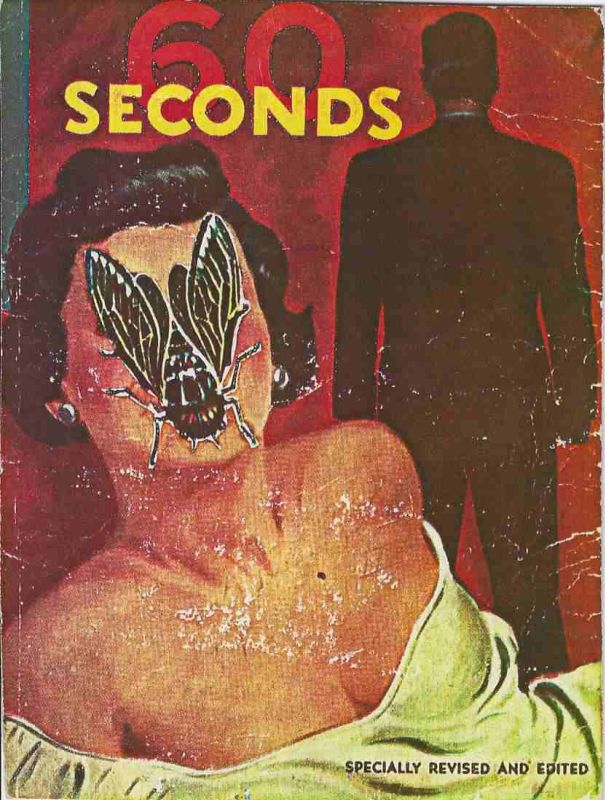
Cartão de arte postal criado pelo artista norte americano Gerry Miller em East Haddam, Connecticut, Estados Unidos, por volta de 1980. O verso apresenta duas impressões sobrepostas com a identificação An Actual Postcard by Gerry Miller.
Gerry Miller - The Postman Always Rings Twice
Categoria: Mail Art
Acervo: 03885
Data: 1980
Dimensões: 14 x 10,3 cm
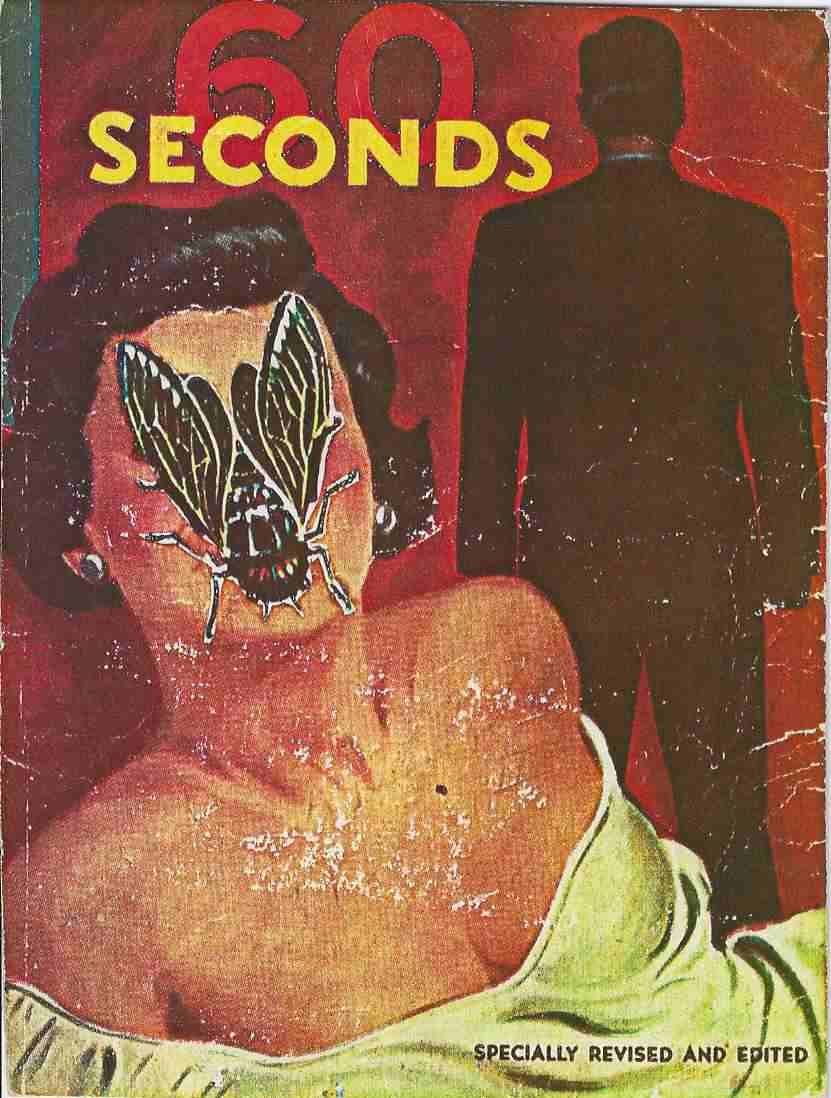
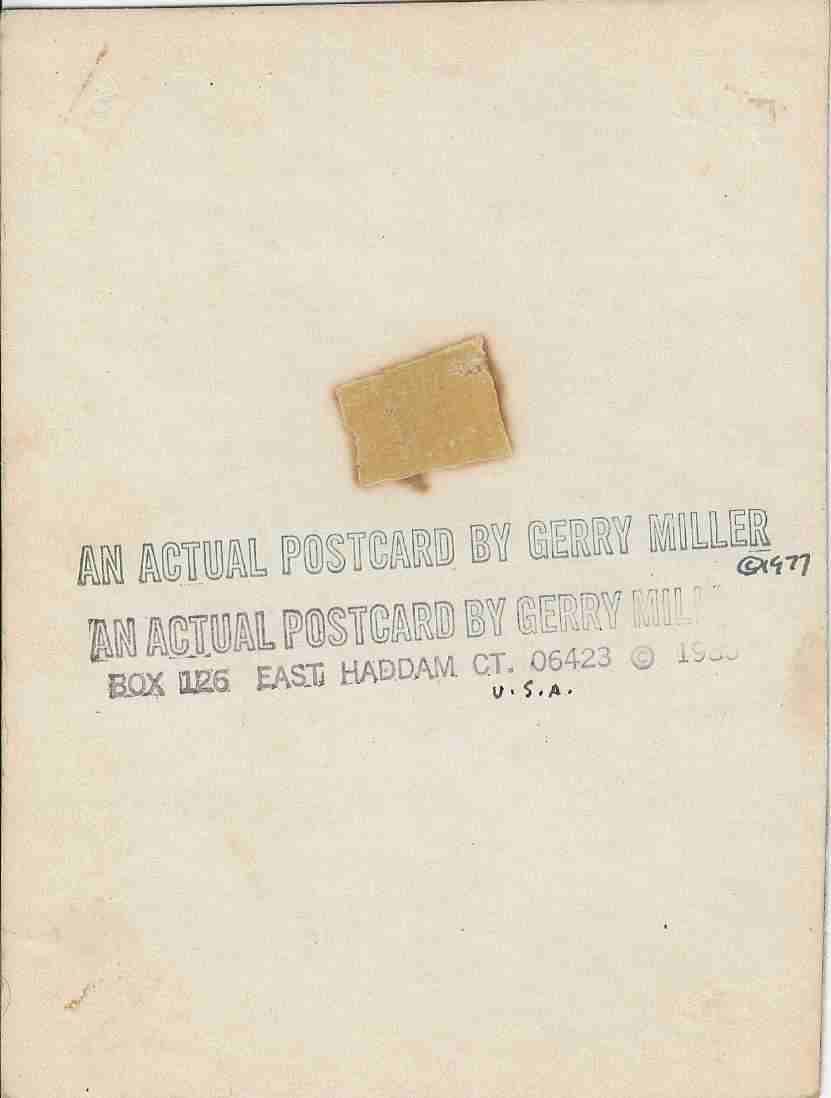
Cartão de arte postal criado pelo artista norte americano Gerry Miller em East Haddam, Connecticut, Estados Unidos, por volta de 1980. O verso apresenta duas impressões sobrepostas com a identificação An Actual Postcard by Gerry Miller. A inscrição inferior inclui o endereço Box 126, East Haddam, CT 06423, USA, além de uma indicação de direitos autorais cuja leitura está parcialmente prejudicada pela sobreposição das impressões e pelo desgaste do suporte.A frente utiliza uma imagem apropriada de publicação impressa, provavelmente proveniente de revista, catálogo ou material publicitário. A composição apresenta uma mulher reclinada em primeiro plano e a silhueta escura de uma figura masculina em pé ao fundo. Sobre o rosto da mulher foi aplicada a imagem gráfica de um inseto semelhante a uma mariposa ou borboleta, alterando a identidade da personagem e convertendo a cena original em uma colagem de caráter surrealista.Na parte superior aparecem os elementos textuais 60 e Seconds. O número 60 está impresso em grandes caracteres vermelhos, enquanto a palavra Seconds aparece em amarelo. Na margem inferior direita permanece a frase Specially Revised and Edited. Esses fragmentos verbais parecem pertencer à publicação original apropriada pelo artista, mas passam a integrar uma nova relação visual após a intervenção sobre o rosto da figura feminina.A associação entre o número 60, a palavra Seconds e a presença do corpo reclinado produz uma possível referência à passagem do tempo, à duração, à espera, ao desejo ou à transformação. O cartão também explora a relação entre observador e observado, pois a figura masculina aparece como uma silhueta sem características individuais, enquanto a mulher perde o rosto humano e recebe uma máscara de inseto.A imagem do inseto funciona como elemento central da intervenção. Suas asas ocupam a área dos olhos e da testa, enquanto o corpo se estende sobre o nariz e a boca. A operação altera a leitura psicológica e narrativa da imagem, introduzindo estranhamento, metamorfose, anonimato e ocultação. A colagem produz uma criatura híbrida formada por corpo humano, rosto encoberto e organismo animal.A paleta apresenta predominância de vermelho, amarelo, preto, marrom e tons de pele, com áreas claras no tecido que recobre parcialmente o corpo. O desgaste da superfície, os riscos, as marcas de uso e as pequenas perdas da camada impressa fazem parte da condição material atual do documento e testemunham sua circulação, manipulação ou permanência em arquivo.O verso permanece sem mensagem manuscrita, destinatário, selo ou carimbo postal visível. Há um pequeno fragmento retangular de fita adesiva na região superior central, possivelmente utilizado para fixação, exposição ou arquivamento. Próximo à impressão superior existe uma anotação manual de direitos autorais com data de leitura difícil. A impressão inferior parece registrar o ano de 1980, mas a sobreposição e o apagamento impedem uma confirmação absolutamente segura apenas pela imagem apresentada.A repetição da frase An Actual Postcard by Gerry Miller transforma a identificação autoral em parte do conceito da obra. O artista afirma a condição concreta do cartão postal ao mesmo tempo em que questiona a diferença entre imagem apropriada, colagem, objeto múltiplo, correspondência e obra de arte. Essa estratégia é característica da arte postal, na qual o suporte, a circulação e os dados de remetente podem integrar diretamente o conteúdo artístico.O cartão relaciona a produção de Gerry Miller à mail art, arte postal, colagem, fotomontagem, apropriação de imagens impressas, poesia visual e arte conceitual. A obra também revela interesse pela transformação do corpo, pela cultura de massa, pela linguagem editorial e pela alteração de narrativas encontradas em revistas e materiais gráficos.TEXT FOR THE SALSA PROGRAM IN ENGLISHMail art postcard created by the American artist Gerry Miller in East Haddam, Connecticut, United States, around 1980. The reverse contains two overlapping impressions identifying the object as An Actual Postcard by Gerry Miller. The lower impression includes the address Box 126, East Haddam, CT 06423, USA, as well as a copyright indication that is partially obscured by overlapping printing and surface wear.The front uses an appropriated image taken from printed material, probably a magazine, catalogue or advertising publication. The composition shows a reclining woman in the foreground and the dark silhouette of a standing male figure in the background. A graphic image of an insect resembling a moth or butterfly has been placed over the face of the woman, altering her identity and transforming the original scene into a surrealist collage.The upper area contains the textual elements 60 and Seconds. The number 60 appears in large red characters, while the word Seconds is printed in yellow. The phrase Specially Revised and Edited remains visible in the lower right corner. These verbal fragments seem to belong to the original publication appropriated by the artist, but they acquire a new visual relationship after the intervention over the face of the female figure.The association between the number 60, the word Seconds and the reclining body may suggest time, duration, waiting, desire or transformation. The postcard also explores the relationship between observer and observed. The male figure appears as an anonymous silhouette, while the woman loses her human face and receives an insect mask.The insect image is the central element of the intervention. Its wings occupy the area of the eyes and forehead, while its body extends across the nose and mouth. This operation changes the psychological and narrative reading of the source image and introduces estrangement, metamorphosis, anonymity and concealment. The collage creates a hybrid being formed by a human body, an obscured face and an animal organism.The palette is dominated by red, yellow, black, brown and flesh tones, with light areas in the fabric partially covering the body. Surface wear, scratches, handling marks and small losses in the printed layer are part of the present material condition of the document and may testify to its circulation, manipulation or archival history.The reverse contains no visible handwritten message, recipient, postage stamp or postal cancellation. A small rectangular piece of adhesive tape appears in the upper central area and may have been used for mounting, display or archival storage. Near the upper impression there is a handwritten copyright note with a date that is difficult to read. The lower impression appears to indicate the year 1980, although the overlap and fading prevent absolute confirmation from the image alone.The repetition of the phrase An Actual Postcard by Gerry Miller transforms the authorial identification into part of the concept of the work. The artist affirms the physical status of the postcard while questioning the boundaries between appropriated image, collage, multiple object, correspondence and artwork. This strategy is characteristic of mail art, in which the support, circulation and sender information may become integral parts of the artistic content.The postcard connects Gerry Miller with mail art, collage, photomontage, appropriation of printed imagery, visual poetry and conceptual art. The work also demonstrates an interest in bodily transformation, mass culture, editorial language and the alteration of narratives found in magazines and graphic materials.
Cartão de arte postal atribuído a Gerry Miller, produzido em East Haddam, Connecticut, Estados Unidos, por volta de 1980. A frente apresenta imagem apropriada de uma publicação impressa, com uma mulher reclinada, uma figura masculina em silhueta e a intervenção de um inseto semelhante a uma mariposa sobre o rosto feminino. Permanecem visíveis os elementos textuais 60, Seconds e Specially Revised and Edited.O verso contém duas impressões sobrepostas com a identificação An Actual Postcard by Gerry Miller. A impressão inferior registra o endereço Box 126, East Haddam, CT 06423, USA. A data parece corresponder a 1980, mas a leitura está parcialmente prejudicada pelo desgaste e pela sobreposição das inscrições. Não são visíveis destinatário, mensagem manuscrita, selo ou carimbo postal.A obra deve ser catalogada como arte postal, mail art, cartão de artista, colagem, fotomontagem, apropriação de imagem, poesia visual e objeto conceitual. O fragmento de fita adesiva no verso pode estar relacionado à montagem, exposição ou conservação do cartão.OBSERVATION TEXT IN ENGLISHMail art postcard attributed to Gerry Miller and produced in East Haddam, Connecticut, United States, around 1980. The front presents an appropriated printed image showing a reclining woman, a silhouetted male figure and an intervention consisting of an insect resembling a moth placed over the female face. The textual elements 60, Seconds and Specially Revised and Edited remain visible.The reverse contains two overlapping impressions identifying the object as An Actual Postcard by Gerry Miller. The lower impression records the address Box 126, East Haddam, CT 06423, USA. The date appears to correspond to 1980, but the reading is partially obscured by wear and overlapping inscriptions. No recipient, handwritten message, postage stamp or postal cancellation is visible.The work should be catalogued as mail art, artists postcard, collage, photomontage, image appropriation, visual poetry and conceptual object. The piece of adhesive tape on the reverse may be related to mounting, exhibition display or archival preservation.
Proveniência
Coleção Poema ProcessoInglês
Mail art postcard created by the American artist Gerry Miller in East Haddam, Connecticut, United States, around 1980. The reverse contains two overlapping impressions identifying the object as An Actual Postcard by Gerry Miller.
Dimensions: 5,5 x 4,1 in