Anna Moor - Geneve - Suíça
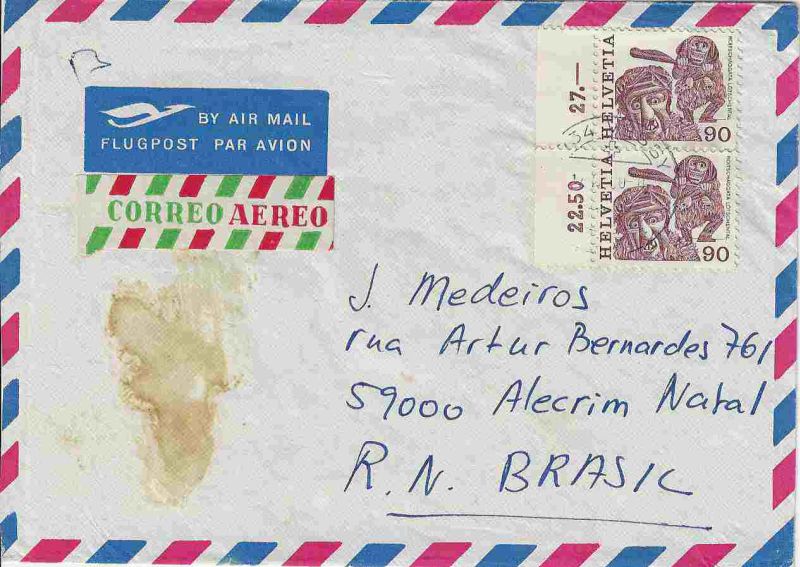 Anna Moor foi uma artista ligada à arte postal, mail art, arte conceitual, publicação experimental e redes internacionais de correspondência artística, ativa ao menos no final da década de 1970 e início da década de 1980. A documentação localizada associa sua atividade à região de Carouge e Genève, na Suíça. É importante corrigir um ponto geográfico: Carouge e Genève ficam na Suíça e não na Suécia. A nacionalidade de Anna Moor, entretanto, não pôde ser determinada com segurança nas fontes consultadas. Uma fonte comercial relacionada à publicação Textile without Textile a identifica como Czech, enquanto outras fontes apenas a inserem entre participantes vinculados à Suíça ou ao circuito artístico suíço. Por isso, para o cadastro museológico, a formulação mais segura é artista ativa em Carouge e Genève, Suíça, sem atribuição definitiva de nacionalidade. O próprio prompt mestre determina que divergências entre fontes sejam explicitadas e que nenhuma lacuna seja preenchida por suposição.Anna Moor aparece de maneira inequívoca na documentação histórica da mail art internacional de 1979. Seu nome integra Rubberstamp Art, projeto e exposição internacional de arte de carimbo documentado pelo Lomholt Mail Art Archive e relacionado à Apropos Gallery. O material foi enviado por Ruedi Schill a partir de Lausanne, Suíça, em 5 de junho de 1979. A extensa rede de participantes inclui Anna Moor ao lado de artistas fundamentais da arte postal, poesia visual, arte conceitual e experimentação gráfica, como Guglielmo Achille Cavellini, Edgardo Antonio Vigo, Paulo Bruscky, Leonhard Frank Duch, Ivald Granato, J. Medeiros, J. H. Kocman, Jiri Valoch, Klaus Groh, Robin Crozier, Hervé Fischer, Ulises Carrión, Rod Summers, Vittore Baroni, Robert Rehfeldt, Ruth Wolf Rehfeldt, Pawel Petasz, John M. Armleder, György Galántai, Endre Tót e Anna Banana.Esse registro é particularmente importante para estabelecer uma conexão documental entre Anna Moor e J. Medeiros. Os dois aparecem na mesma estrutura internacional de participantes de Rubberstamp Art em 1979, dentro de um circuito dedicado à utilização do carimbo como linguagem artística e instrumento de circulação postal. Essa presença comum não comprova, por si só, uma colaboração individual direta entre os dois artistas, mas demonstra que Anna Moor e J. Medeiros participavam simultaneamente da mesma rede transnacional de arte postal. Quando correspondências ou documentos enviados diretamente entre ambos forem incorporados ao acervo, essa relação poderá ser definida de maneira ainda mais precisa.Rubberstamp Art constitui um contexto historicamente relevante porque o carimbo foi um dos meios fundamentais da mail art internacional. Artistas transformavam carimbos administrativos, selos inventados, assinaturas, slogans, símbolos e matrizes gráficas em instrumentos de autoria, repetição e circulação. O uso do correio permitia que essas intervenções atravessassem fronteiras sem depender exclusivamente de galerias e museus. A presença de Anna Moor nesse projeto situa sua produção diretamente nesse ambiente experimental.Ainda em 1979, Anna Moor aparece em Commonpress 23, publicação organizada por Vittore Baroni em Forte dei Marmi, Itália, dedicada ao tema Political Satire. O Lomholt Mail Art Archive registra o material como parte da Mail Art Network, em formato de folio com 103 páginas. Anna Moor integra uma lista internacional extremamente ampla de participantes que inclui novamente J. Medeiros, Falves Silva, Paulo Bruscky, Walter Zanini, Joaquim Branco, Simone Michelin Basso, Guillermo Deisler, Robert Rehfeldt, Ruth Wolf Rehfeldt, Niels Lomholt, Robin Crozier, Ben Vautier, Klaus Groh, Endre Tót, Guglielmo Achille Cavellini, Vittore Baroni, Betty Danon, Nicola Frangione, Maurizio Nannucci, Lamberto Pignotti, Bálint Szombathy, Pawel Petasz, Bartolomé Ferrando, György Galántai, John M. Bennett, Buster Cleveland, Bill Gaglione, Judith Hoffberg, Lon Spiegelman e numerosos outros integrantes da rede.A presença conjunta de Anna Moor, J. Medeiros e Falves Silva em Commonpress 23 é especialmente significativa para o projeto Salsa porque estabelece um elo documental entre a artista ativa em Genève e Carouge e diferentes núcleos brasileiros de poesia experimental e arte postal. Commonpress foi um dos mais importantes projetos editoriais descentralizados da mail art. Sua estrutura baseava se na transferência da responsabilidade editorial entre artistas de diferentes países, permitindo que cada edição adquirisse tema, organização e identidade próprios. Participar dessa rede significava integrar uma estrutura de comunicação artística internacional baseada em colaboração, intercâmbio e circulação.Em 1980 Anna Moor participou de Textile without Textile, projeto organizado e editado por György Galántai através do Artpool, em Budapest, Hungria. A publicação constitui um dos registros mais sólidos de sua produção. O arquivo de de Appel em Amsterdam identifica Textile without Textile como exposição coletiva e artists book, publicada pelo Artpool Art Research Center em 1980, com tiragem de 300 exemplares assinados e numerados. Anna Moor aparece nominalmente entre os artistas participantes.Textile without Textile surgiu a partir de uma exposição organizada em 1979 e posteriormente transformada por György Galántai em um portfolio de assembled art. A edição apresenta trabalhos originais ou intervenções reproduzidas de dezenas de artistas internacionais e emprega técnicas como fotografia, rasgo, dobra, desenho a lápis e tinta, carimbos, colagem, stencil, aquarela e fotocópia. Cada participante produziu uma contribuição individual, de modo que a publicação pode ser compreendida simultaneamente como livro de artista coletivo, exposição portátil, assemblage editorial e documento de rede.A inclusão de Anna Moor em Textile without Textile coloca sua produção em contato direto com figuras importantes da vanguarda europeia e internacional, entre elas György Galántai, Guglielmo Achille Cavellini, Nicola Frangione, John Furnival, Marc Van Hoe, Bálint Szombathy, Marco Pachetti, Ana Lupas e Andrzej Wielgosz. Esse ambiente estava fortemente relacionado à mail art, à poesia visual, aos livros de artista, à arte conceitual e às publicações alternativas.Uma descrição bibliográfica comercial de Textile without Textile identifica Anna Moor como Czech. Essa informação diverge da associação territorial com Carouge e Genève, Suíça, presente no contexto fornecido e em sua inserção nos circuitos suíços da mail art. Como não foi localizada fonte institucional biográfica capaz de confirmar nascimento, cidadania ou origem familiar, não é seguro afirmar que Anna Moor fosse suíça, sueca ou tcheca. Para fins do Salsa, a distinção entre nacionalidade e local de atuação deve ser mantida. Carouge e Genève podem ser registrados como áreas documentadas de atuação ou residência, enquanto nacionalidade permanece não confirmada.As fontes atualmente localizadas não fornecem data de nascimento, local de nascimento, formação, professores, instituições de ensino, início preciso da carreira, exposições individuais, atividades docentes, prêmios ou data de falecimento de Anna Moor. Tampouco foi possível localizar uma relação completa de suas obras. Essa escassez documental é característica de muitos participantes da mail art, cuja trajetória sobrevive principalmente através de envelopes, cartões, listas de participantes, publicações coletivas, catálogos, arquivos pessoais e redes de correspondência.A importância histórica de Anna Moor está justamente nessa presença documental dentro da rede. Em apenas dois anos, entre 1979 e 1980, seu nome aparece associado a Rubberstamp Art, Commonpress e Textile without Textile, três contextos fundamentais para compreender a expansão internacional da arte postal e das publicações experimentais. Esses registros demonstram participação em circuitos conectando Suíça, Itália, Hungria, Alemanha, Brasil, América Latina, Europa Oriental, Estados Unidos e outros territórios.A conexão com J. Medeiros possui relevância particular. Anna Moor e J. Medeiros aparecem documentados simultaneamente em Rubberstamp Art de 1979 e Commonpress 23 do mesmo ano. J. Medeiros integrava uma rede brasileira de poesia experimental, arte postal e comunicação artística internacional. A coincidência dos dois nomes em projetos distintos demonstra que não se trata de um contato isolado dentro de uma única lista, mas de pertencimento recorrente a um mesmo circuito internacional. Caso exista no acervo correspondência enviada diretamente por Anna Moor a J. Medeiros ou recebida dele, esse material deve ser tratado como fonte primária capaz de documentar uma relação bilateral ainda mais forte.Não foi localizada evidência de que Anna Moor tenha integrado formalmente o movimento Poema Processo. Sua relação com o campo estudado pelo Salsa ocorre através da mail art, poesia visual, arte de carimbo, publicação experimental, artists books e redes internacionais nas quais também circularam artistas brasileiros ligados ao Poema Processo e à poesia experimental. A presença simultânea de Anna Moor, J. Medeiros, Falves Silva e Paulo Bruscky nesses circuitos torna a artista relevante para reconstruir os intercâmbios internacionais que conectaram a produção brasileira às vanguardas experimentais europeias no final da década de 1970.